
The Quiet Etiquette: A Modern Guide to Sharing the Trail
As more people discover the joy of the outdoors, our trails are getting busier. This is a guide to a modern, mindful backcountry etiquette that preserves both the wildness of the place and the quality of our shared experience.
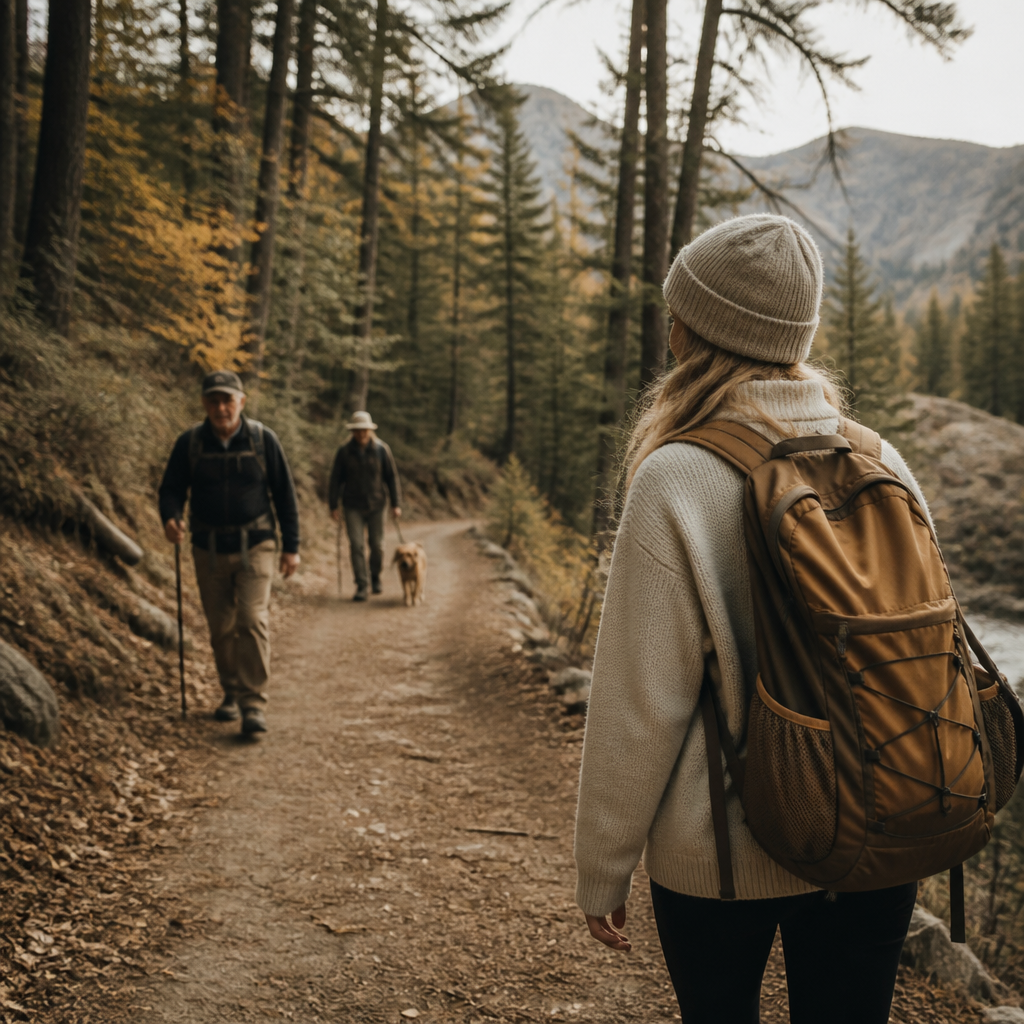
It’s a scene many of us know well: you’ve driven for hours to a coveted trailhead, hoping for a dose of quiet contemplation, only to find the parking lot overflowing. On the trail, the line of fellow hikers feels more like a procession than a wilderness pilgrimage. The boom in outdoor recreation is, in many ways, a wonderful thing. More people connecting with nature means more advocates for its protection. But it also means we need to think more deeply about not just our physical footprint, but our social and experiential one, too.
This isn't about gatekeeping or lamenting the good old days of empty trails. It’s about adapting. It’s about evolving our understanding of trail etiquette beyond a few simple rules into a mindful practice of courtesy, awareness, and shared stewardship. It’s about protecting the feeling of the wild, not just the place itself.
The Uphill Battle (and Downhill Courtesy)
The classic rule is simple: hikers going uphill have the right of way. Why? Because they are in a rhythm, often working hard against gravity, and stopping can break their momentum and cost precious energy. While this rule is a fantastic starting point, it lacks nuance. True trail courtesy is a two-way street that relies on communication.
If you’re the uphill hiker and you’re ready for a break, there’s no need to force the downhill hiker to wait. A simple wave, a smile, and a, "Go on ahead, I'm catching my breath!" turns a rigid rule into a moment of friendly connection. It’s efficient and gracious.
Conversely, if you’re heading downhill, stay in control. This is especially true for trail runners and those on long descents where speed can creep up. Anticipate encountering others around blind corners. Look ahead, listen, and be prepared to yield. Remember that you have gravity on your side and a wider field of view. The goal isn't to rigidly enforce a hierarchy, but to facilitate smooth and safe passage for everyone.
The Sound of Silence
We go to the mountains to escape the noise of our daily lives, yet increasingly, that noise is following us up the trail. The most obvious culprit is the portable Bluetooth speaker. Let’s be clear: nature has its own soundtrack, and it doesn’t need yours. Blasting music, no matter how good you think your playlist is, shatters the peace for every other person and animal within earshot. It fundamentally alters the character of a place. The single best practice is to leave the speaker at home and use headphones if you absolutely must have music—though we’d argue the birdsong is better.
Beyond speakers, consider the volume of your own voice. The excitement of being outdoors can lead to shouting conversations between friends spread out along the trail. Practice using a “ten-foot voice,” keeping your conversation audible to your immediate group but not to the party fifty yards ahead. Turn off audible notifications on your phone. Let the silence of the forest seep in. This auditory mindfulness is a gift you give to everyone around you, including yourself.
The Social Trail and the Digital Footprint
In the 21st century, Leave No Trace extends into the digital realm. We all love capturing the beauty of the backcountry and sharing it, but how we share can have a tremendous impact. Geotagging specific, sensitive, or lesser-known locations can lead to a surge of visitors that the location and its infrastructure can't handle. Fragile meadows, delicate shorelines, and pristine campsites can be loved to death in a single season.
Practice responsible social media by being general with your locations. Tag the national park, not the specific alpine lake. Tag the state, not the secret waterfall. This practice, often called “Protect What You Post,” allows you to share your beautiful experience without overwhelming the resource. It's a form of digital stewardship that protects wild places from the very real threat of internet-fueled overcrowding.
More Than a Footprint: The Micromanagement of Impact
Most seasoned hikers know to pack out their trash. But truly minimizing our impact requires a more granular, micromanaged approach. It means resisting the urge to cut a switchback, an act that creates erosion gullies and scars the landscape. It means walking through the muddy patch in the middle of the trail, rather than widening the trail by walking around it and trampling vegetation. Every footstep matters.
This also applies to “natural” litter. That orange peel, banana peel, or pile of pistachio shells you leave behind is, in fact, trash. In many environments, especially arid or alpine zones, these items can take years to decompose. In the meantime, they are visually jarring to other visitors and can attract and alter the behavior of wildlife. The best policy is absolute: if you packed it in, you must pack it out. No exceptions.
Ultimately, this modern etiquette is less a list of rules and more a change in mindset. It’s a shift from asking, “What am I allowed to do?” to “What is the most considerate and least impactful thing I can do?” It’s about cultivating a deep awareness of the place, of others, and of ourselves. By practicing this quiet etiquette, we not only protect the trails we love, but we also enrich our own experience, fostering a community that ensures these wild places remain a source of solace and inspiration for all.
<!-- seo-rank-booster:v1 -->Frequently Asked Questions
Who has the right of way on a hiking trail?
Generally, hikers traveling uphill have the right of way. This is because they are working against gravity and stopping can break their momentum and cost more energy. However, modern trail etiquette encourages communication; an uphill hiker may wave a downhill hiker through while they catch their breath.
Is it rude to play music on a hiking trail?
Yes, playing music from a speaker is considered poor trail etiquette. Most people seek nature for its peace and quiet, and audible music disrupts the experience for others and can disturb wildlife. If you must listen to music, use headphones at a volume that still allows you to be aware of your surroundings.
What is the proper etiquette for passing someone on a trail?
When passing from behind, politely announce your presence by saying something like, "On your left!" to avoid startling them. If you need to pass a group, wait for a wide, safe spot in the trail. When encountering others, especially on narrow sections, the person with the safer or easier spot to step aside should do so, while always following the general rule of yielding to uphill traffic.
How can you be a responsible hiker on social media?
Practice digital Leave No Trace by avoiding geotagging specific, fragile, or lesser-known locations. Tagging a general area, like the national park or state instead of the secret waterfall or delicate meadow, helps prevent overcrowding and protects these places from being "loved to death."
Related on Bucketlist Field Guide
- The Highline Trail — Navigating etiquette on this world-famous and often crowded trail is key to a great experience.
- Skyline Trail Loop — A popular and stunning route where mindful hiking helps preserve the fragile alpine environment for all.
- Presidential Traverse — Etiquette is essential on this demanding, multi-day trek that attracts many hikers to the White Mountains.
- Hoh River Trail to Blue Glacier — A classic national park trail where understanding shared use preserves the wilderness feel.