
Presidential Traverse
A legendary test piece of the American Northeast, the Presidential Traverse strings together the highest and most exposed peaks in the White Mountains. This grueling but spectacular ridge walk crosses the alpine zones of at least seven major summits, including the formidable Mount Washington. Completing it in a single day is a coveted prize for any serious hiker.

- Difficulty
- hard
- Distance
- 23 mi
- Elevation gain
- 9000 ft
- Permit
- Not required
Why It's Special
The Presidential Traverse isn't just a hike; it's a monumental undertaking that stands as one of the most challenging and rewarding endurance hikes in the United States. The route follows a significant portion of the Appalachian Trail along the spine of the Presidential Range, a place notorious for holding the dubious honor of "the world's worst weather." For over half its length, the trail remains above treeline, offering hikers a rare opportunity east of the Mississippi to spend hours in a windswept, lunar-like alpine zone with near-constant, panoramic views of the surrounding White Mountain National Forest.
The allure lies in its stark contrast: the profound beauty of the fragile alpine flowers and lichen-crusted granite set against the raw, palpable power of the environment. You'll summit a string of peaks named for U.S. Presidents—Madison, Adams, Jefferson, Washington, Monroe, Eisenhower, and Pierce—each presenting its own unique challenge and vista. The traverse is a physical grind and a logistical puzzle, and its successful completion is a benchmark of fitness, planning, and mountain sense that earns you a lifetime of bragging rights.
Best Season
While the range can be hiked year-round by only the most elite mountaineers, the prime season for the vast majority of hikers is a narrow window from late June to early September. June is particularly advantageous as it boasts the longest daylight hours of the year, a critical factor for those attempting a single-day traverse. By late June, the winter snowpack has typically melted from the trail corridors, though you should still expect to cross lingering snowfields in sheltered gullies.
The weather is famously volatile, but June often offers a sweet spot before the peak heat and humidity of mid-summer settles in the valleys. Wildflowers begin their brief but spectacular bloom, and the trails are slightly less crowded than in July and August. However, do not be fooled: a 70-degree day at the trailhead can be a 40-degree day with 60 mph winds and freezing rain on the summit of Mount Washington. There is no 'easy' weather season here; there is only a 'less difficult' one.
Logistics
The Presidential Traverse is a point-to-point hike, which means logistics are a primary concern. The standard route runs north-to-south, beginning at the Appalachia Trailhead on Route 2 and ending at the Crawford Path Trailhead near the AMC Highland Center on Route 302. This direction tackles the steepest, most rugged terrain (the approach to Madison and Adams) on fresh legs and saves the easier, more forgiving descents for the end.
Shuttle: You will need to spot a second car or, more practically, arrange a shuttle. Several private shuttle services operate in the Gorham/Lincoln area, and the Appalachian Mountain Club (AMC) often runs a hiker shuttle between its facilities, but reservations are essential and schedules vary. Do not leave this to chance.
One Day vs. Two Days:
- Single-Day (The 'Death March'): Requires an elite level of fitness, a pre-dawn start (typically 3-4 AM), and a relentless pace. Total time is often 12-18 hours.
- Two/Three-Day: A more manageable and arguably more enjoyable option is to break the trip up by staying at the AMC Huts. Madison Spring Hut is perfectly positioned after the northern peaks, and Lakes of the Clouds Hut sits just below the summit of Mount Monroe. This allows you to experience sunrise and sunset from the ridgeline. These full-service huts provide bunks and meals, but reservations must be made many months in advance as they sell out quickly.
Pro Tips
- Check the Higher Summits Forecast: This is non-negotiable. The Mount Washington Observatory (MWO) provides a detailed, specialized forecast for the alpine zone. If the forecast calls for sustained winds over 50 mph or thunderstorms, postpone your hike.
- Pack for All Four Seasons: Even in July, you must carry a full set of layers. This includes a non-cotton base layer, an insulating mid-layer (fleece or puffy), a waterproof and windproof hard shell jacket and pants, a warm hat, and gloves. Hypothermia is a year-round threat.
- Train on Similar Terrain: Find the rockiest, steepest trails you can. The traverse is less of a dirt path and more of a boulder-hopping scramble for many miles. Your joints, particularly your knees and ankles, will take a beating.
- Master the Art of Layering: You will be constantly adjusting your clothing. Start cold, as you'll warm up on the initial ascent. Be ready to put on your shell for wind protection on the ridges and shed it as you dip into saddles.
- Fuel and Hydrate Relentlessly: For a one-day attempt, you'll burn 8,000+ calories. Pack high-energy, easy-to-digest food and eat consistently. Carry at least 2-3 liters of water and a filter. You can refill at the AMC huts (even if not staying, you can get potable water from their taps) and from springs, though springs can be unreliable later in the season.
Must-use gear on Presidential Traverse
Field-tested picks matched to this terrain. Links are affiliate — they keep the field guide free at no extra cost to you.

Two-way satellite messaging and an SOS button the size of a key fob. If you hike alone, you want this.

The only sock with a true lifetime guarantee. Merino blend, perfect cushioning, zero blisters across hundreds of miles.
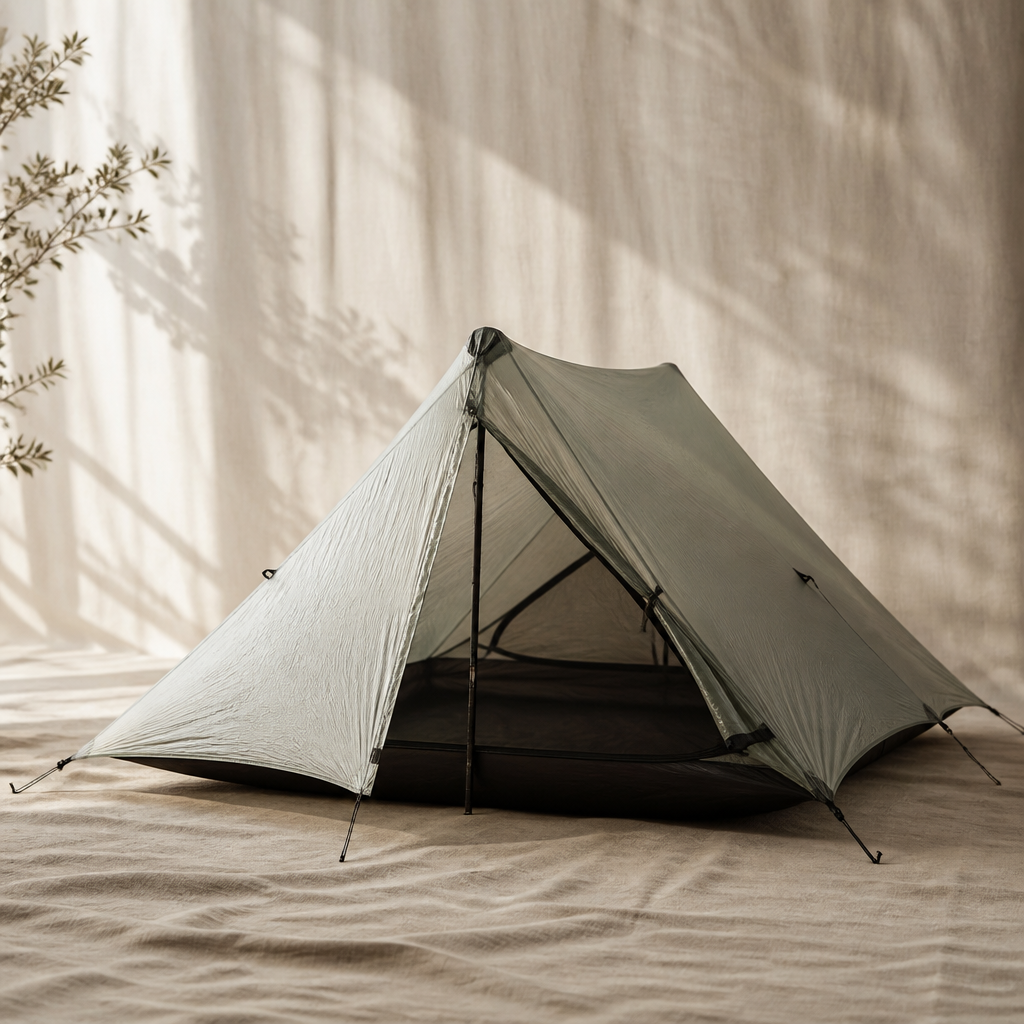
The Durston X-Mid Pro 2 redefines what's possible in an ultralight, two-person trekking pole shelter, offering palatial space and storm-worthy performance at a staggeringly low weight. By utilizing Dyneema Composite Fabric and a brilliant offset pole design, it delivers exceptional livability without the typical compromises of minimalist shelters.
Recommended footwear for this terrain

The best all-around day-hiking boot we tested in 2026. Light, grippy Contagrip outsole, dialed lacing, waterproof without feeling like a sauna.
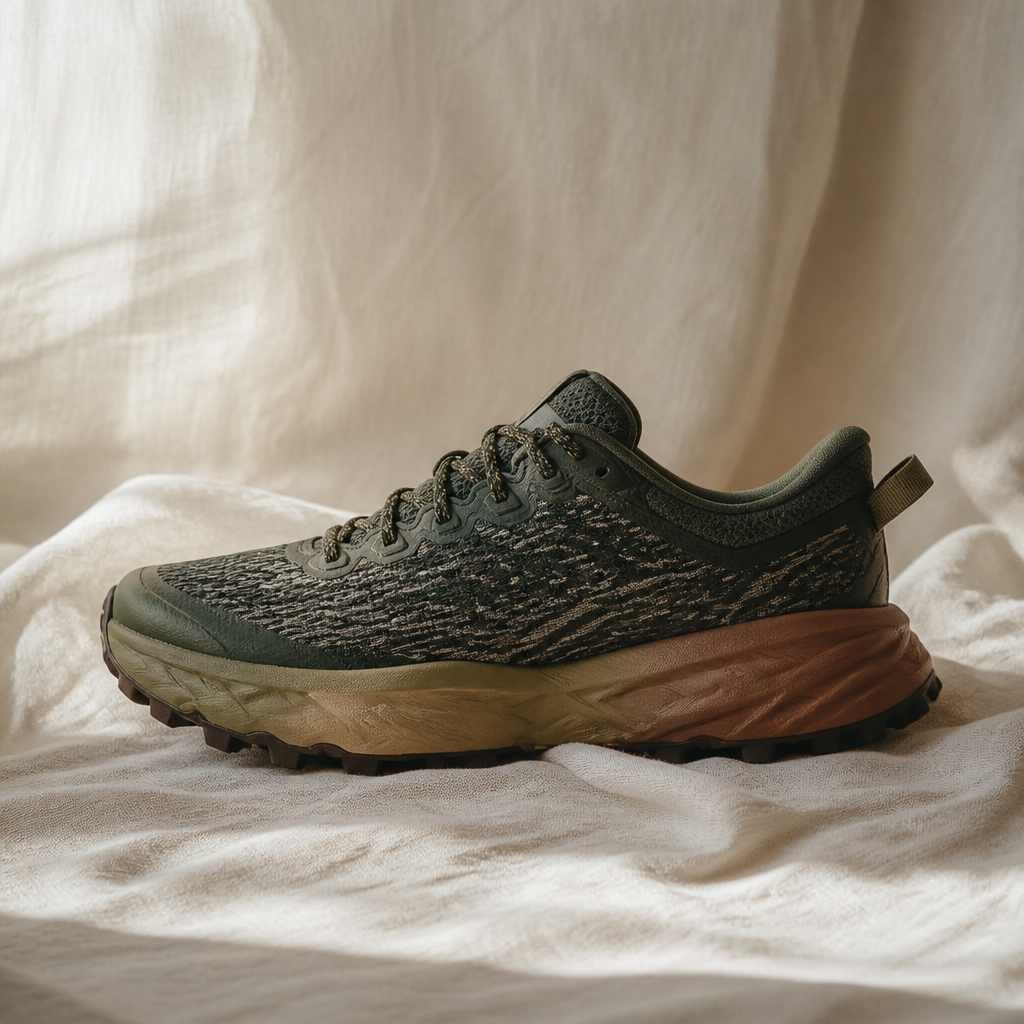
The HOKA Speedgoat 5 continues its reign as a trail-running and hiking favorite, offering unparalleled cushioning for an exceptionally comfortable ride over long distances. Its redesigned Vibram Megagrip outsole with Traction Lugs provides tenacious grip on the most demanding technical terrain, making it a go-to for serious adventurers.
Best hydration for this trail
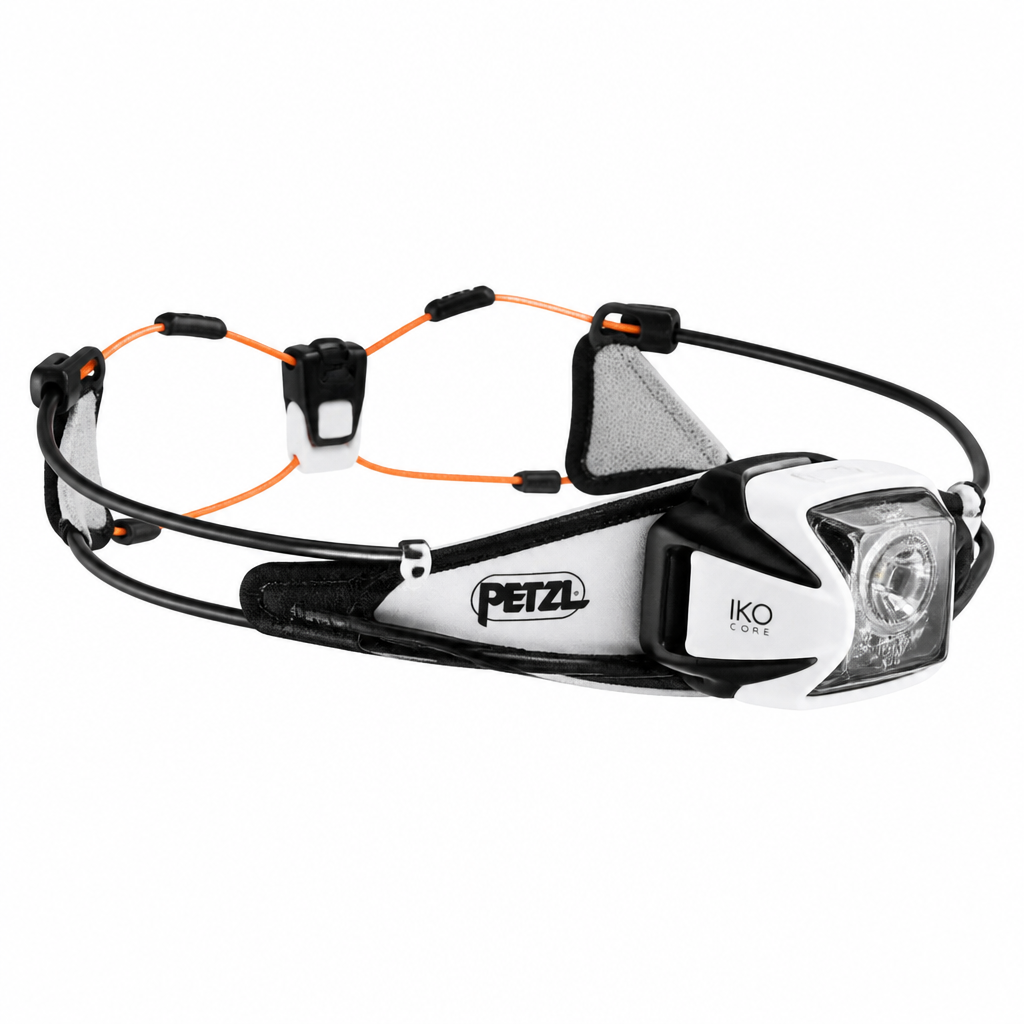
The Petzl Iko Core is a revolutionary rechargeable headlamp that challenges traditional design with its ultra-light, semi-rigid AIRFIT headband. It offers exceptional comfort and balanced weight distribution, making it nearly unnoticeable during high-output activities like trail running and fastpacking.
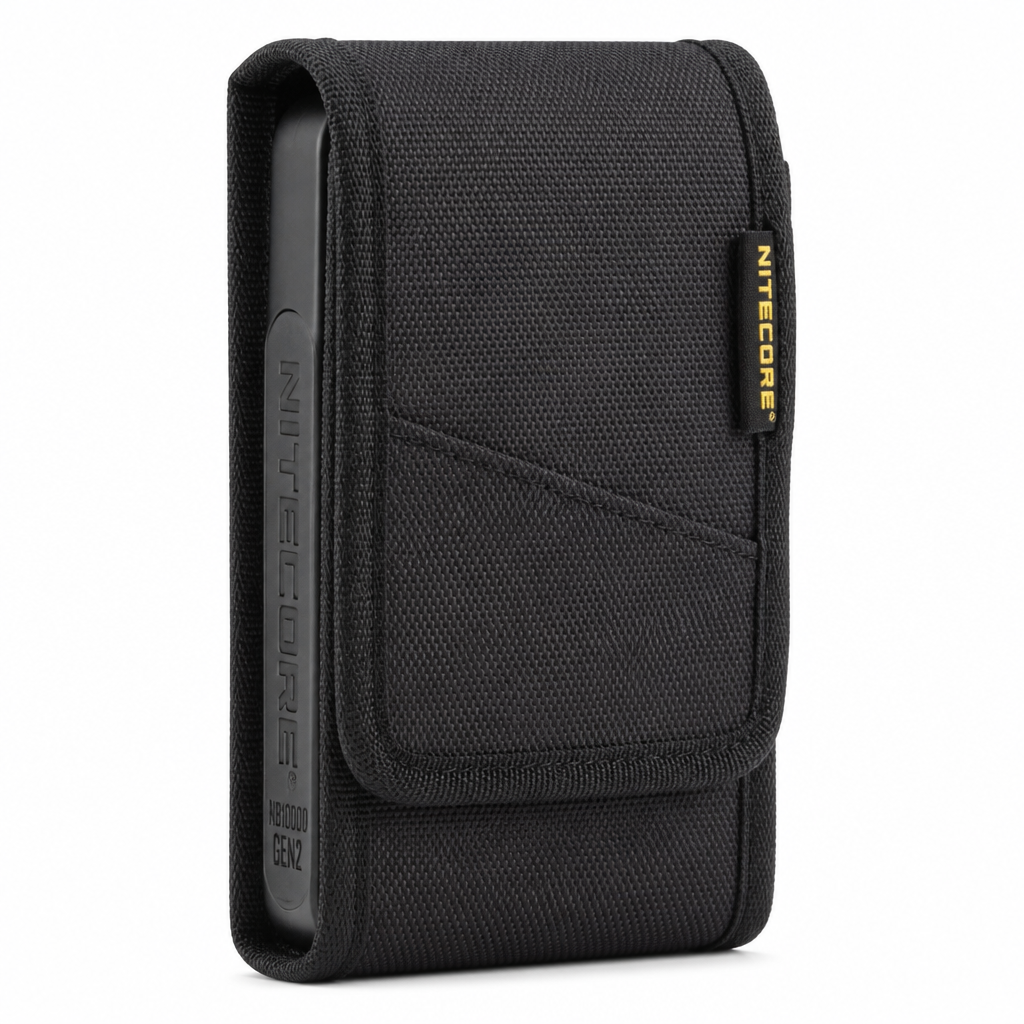
The Nitecore NB10000 Gen 2 is the gold standard for ultralight power banks, packing a massive 10,000mAh capacity into a carbon fiber frame that weighs a mere 5.3 ounces. It's the go-to choice for thru-hikers and weekend warriors who need to keep essential electronics charged without adding punishing weight.