Wildlife Encounters Done Right: Bears, Moose, and Keeping the Distance
There's a thrill that comes with spotting wild animals in their natural habitats. But respecting these magnificent creatures and their space is paramount to ensuring both our safety and theirs.
Wildlife Encounters Done Right: Bears, Moose, and Keeping the Distance
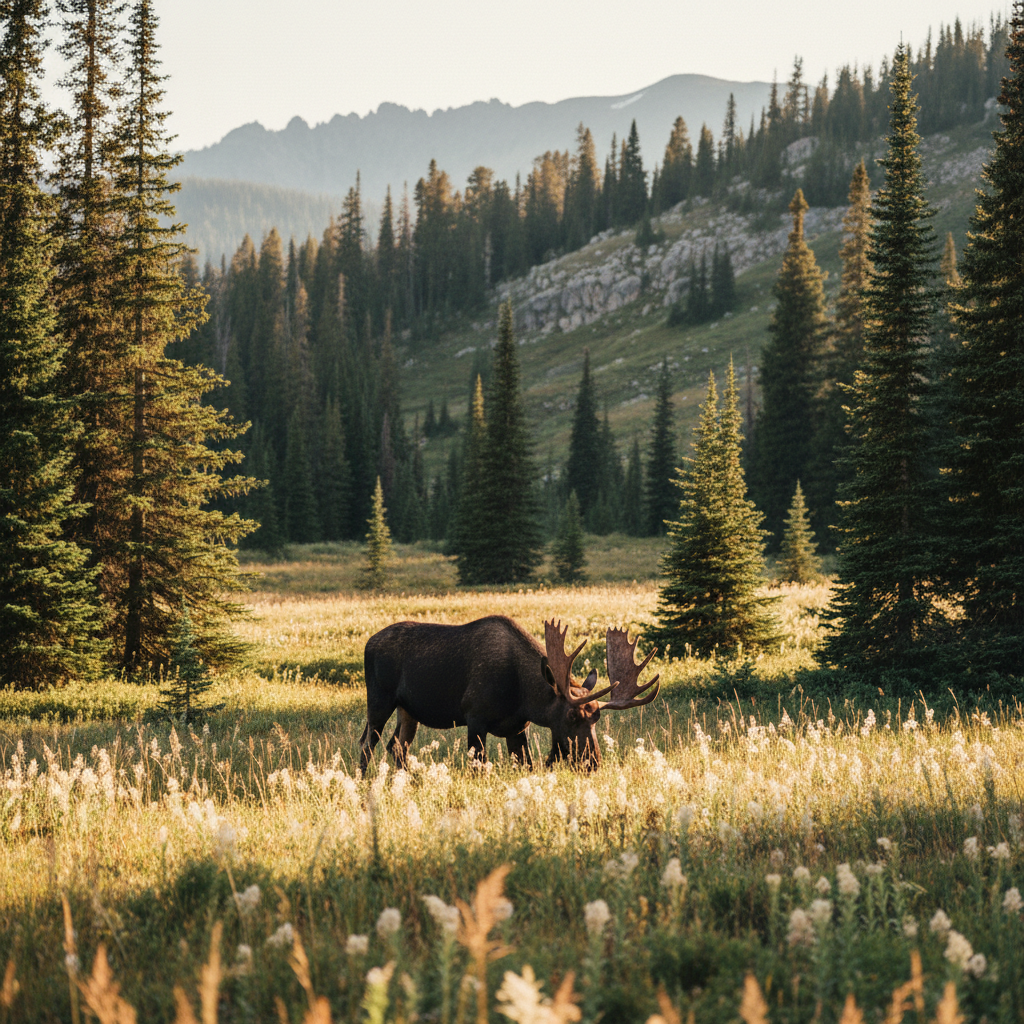
There’s a singular thrill that washes over you when you crest a ridge and find a bull moose grazing serenely in an alpine meadow, or when a black bear ambles across your path on a forest trail. These are the moments we dream of, the very reason many of us seek the wild. At Bucketlist Field Guide, we live for these awe-inspiring connections with nature. But for every breathtaking encounter, there's a vital, often understated, responsibility: keeping the distance.
Our wilderness spaces are not zoos. The magnificent creatures that call these places home are just that – wild. They operate on instinct, driven by survival, and their comfort zones are vast and non-negotiable. Our presence, however well-intentioned, can be a disturbance if we don't approach with profound respect and a deep understanding of wildlife ethics. This isn't just about avoiding a dangerous situation for ourselves; it's about safeguarding the welfare of the animals and preserving the integrity of their natural behaviors.
Why Distance Matters: Understanding Animal Space
Imagine someone rushing into your living room uninvited, getting uncomfortably close, and trying to take your picture. You’d likely feel stressed, threatened, or at the very least, annoyed. Animals feel similarly, though perhaps with higher stakes. When humans encroach on their personal space, wildlife can become stressed, alter their foraging patterns, abandon their young, or in defensive situations, even become aggressive.
Consider a mother bear with cubs. Her primary directive is to protect her offspring. If she perceives you as a threat, her actions will be instinctual and powerful. A bull moose, magnificent as he is, especially during rut, can be incredibly territorial and unpredictable. These are not pets, nor are they subjects for your next viral social media post if it means compromising their well-being or your safety. The golden rule, often cited but rarely truly felt by many, is simple: if your presence causes an animal to change its behavior – whether it’s looking up, stopping feeding, or moving away – you are too close. Pull back. Give them space. Use your zoom lens, not your feet.
Practical Wisdom for Safe and Ethical Wildlife Viewing
So, how do we relish these encounters responsibly? It starts with preparation and a mindset rooted in humility and respect. Always research the wildlife dominant in the area you're visiting. Understand their typical behaviors, peak activity times, and any specific safety guidelines. For bears, this means carrying bear spray, knowing how to use it, and making noise on trails to avoid surprise encounters. For moose, it means giving a wide berth, especially to cows with calves or solitary males, and never approaching one lying down (they may be resting or injured).
When you do spot wildlife, pause. Observe from a distance. Often, patience rewards you with more authentic and intimate glimpses into their lives than a hurried, close-up approach ever could. Binoculars and spotting scopes are your best friends. Keep dogs leashed, as even the most well-behaved canine can trigger a defensive response in wild animals. And under no circumstances should you ever feed wildlife. This habituates them to humans, leading to dependency and often, tragic outcomes where animals must be relocated or, sadly, euthanized due to dangerous interactions.
Leave No Trace, Leave Them Wild
Ultimately, responsible wildlife viewing is an extension of the Leave No Trace principles we champion so ardently at Bucketlist. It's about minimizing our impact and ensuring that the wild remains wild, for the animals themselves and for the generations of adventurers who will follow in our footsteps. The privilege of witnessing a bear forage for berries or a moose wade through a lily-padded pond is immense. Let’s honor that privilege by being mindful guests in their home. The best wildlife encounter isn't measured by how close you got, but by how respectfully you observed, allowing the wild to simply be.
So, pack your binoculars, charge your camera (with a good telephoto lens!), and step into the wilderness with an open heart and a respectful distance. The memories you make will be richer, safer, and truly in harmony with the natural world. Happy trails, and may your encounters be wild, wonderful, and done right.
<!-- seo-rank-booster:v1 -->Frequently Asked Questions
What is a safe distance for wildlife encounters?
A safe distance is one that does not alter the animal's behavior. As a rule, you should stay at least 100 yards (the length of a football field) from bears and wolves, and at least 25 yards from other large animals like moose. If your presence causes an animal to change its behavior, you are too close and should back away slowly.
What should you do if you encounter a bear on a trail?
If you have a surprise bear encounter, stay calm, do not run, and make yourself look large. Speak in a firm but calm voice and slowly back away, giving the bear space to leave. Having bear spray accessible and knowing how to use it is a critical part of safety in bear country.
How can you tell if you are too close to a wild animal?
The clearest sign you are too close is if the animal changes its behavior because of you. Watch for signs like the animal stopping its feeding, raising its head to stare at you, or appearing agitated. These are indicators that you have entered their comfort zone and need to retreat.
Why is it dangerous to feed wildlife?
Feeding wildlife is dangerous because it habituates animals to humans and teaches them to see people as a food source. This can lead to aggressive behavior and create dangerous situations for future visitors. Ultimately, a fed bear is often a dead bear, as they may need to be euthanized for public safety.
Related on Bucketlist Field Guide
- Hoh River Trail to Blue Glacier — Explore the temperate rainforests of Olympic National Park, a prime habitat for black bears and Roosevelt elk.
- The Highline Trail — Hike this iconic Glacier National Park trail, world-famous for its frequent grizzly bear and mountain goat sightings.
- Plain of Six Glaciers Trail — Journey into the Canadian Rockies, where respectful wildlife encounters with grizzly bears are a real possibility.
- Presidential Traverse — Navigate the rugged White Mountains, a classic eastern route where you might spot black bears and moose.