
Why Slow Hiking Might Be the Most Underrated Skill in the Outdoors
In a world obsessed with speed and achievement, we often overlook the profound beauty of deliberate, unhurried movement in nature. Slow hiking isn't just about pace; it's a philosophy that enriches every outdoor experience.
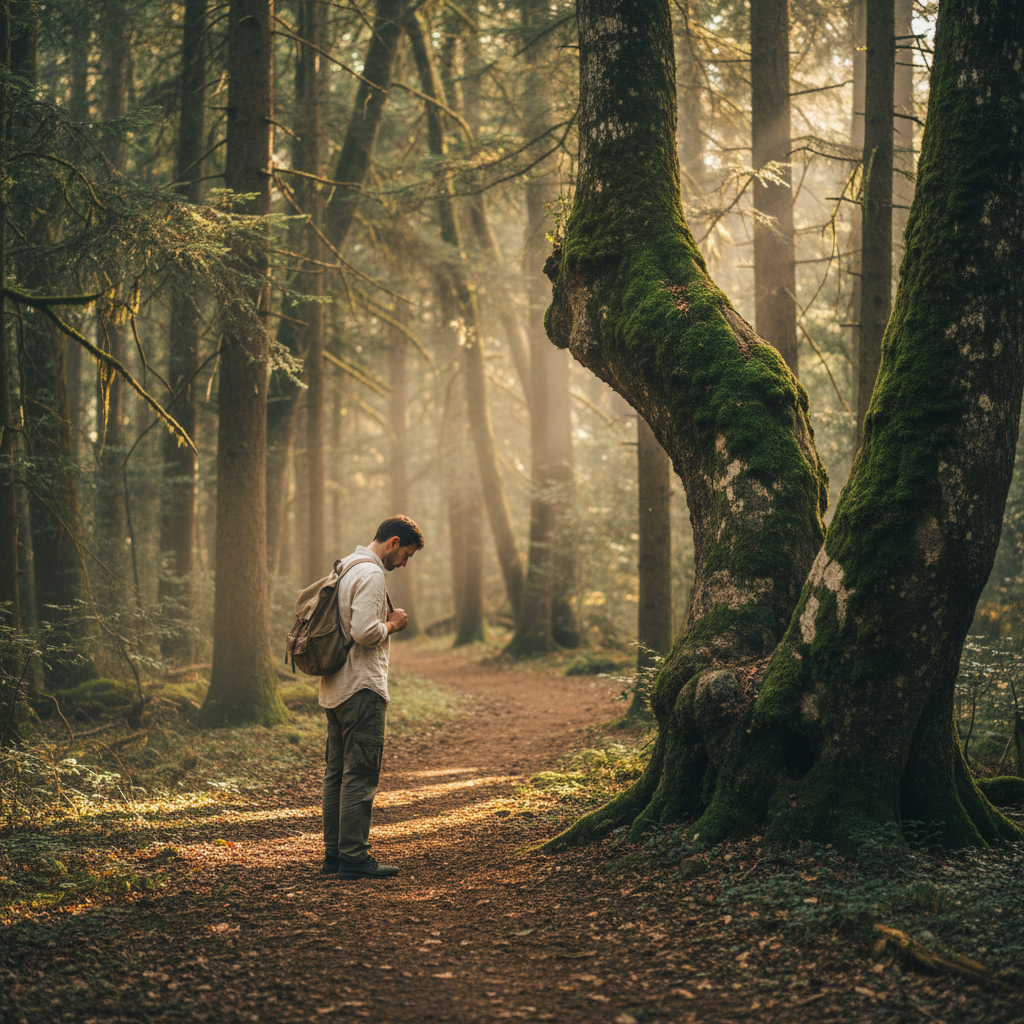
Why Slow Hiking Might Be the Most Underrated Skill in the Outdoors
Here at Bucketlist Field Guide, we’re often captivated by tales of epic treks, summit bids, and high-mileage conquests. And there’s undoubtedly a thrill in pushing our limits, in the physical exertion that leaves us breathless and exhilarated. But what if the most transformative experiences aren't found at the end of a grueling sprint, but rather in the gentle rhythm of a deliberate walk? What if, in our relentless pursuit of ‘doing’ more, we’ve forgotten the profound art of simply ‘being’ in nature? I’m talking, of course, about the quietly revolutionary practice of slow hiking.
The Unseen Landscape: A Depth of Perception
Think about your last 'fast' hike. How many fleeting details did you miss? The intricate pattern of lichen on a boulder, the subtle shift in a bird's song from one grove to the next, the delicate perfume of damp earth after a morning shower. When we rush, our focus narrows to the path ahead, our minds preoccupied with distance and time. Slow hiking, however, invites us to broaden our sensory aperture. It’s an act of deliberate observation, allowing moments to unfurl rather than fly by.
This isn't about covering less ground; it's about covering it with a richer, more profound awareness. You might notice the delicate dance of sunlight through leaves, discover a hidden cascade often overlooked, or hear the rustle of a shy creature that would have been startled by a quicker approach. It's in these quiet moments that the true magic of the outdoors often resides, revealing layers of beauty and complexity that are invisible to the hurried eye. It transforms a simple walk into an immersive, living meditation, a true dialogue with the wilderness around us.
Beyond the Miles: Cultivating Presence and Resilience
In our modern lives, we're constantly bombarded with demands for speed and efficiency. The outdoors, ironically, has become another arena where we often carry these same pressures. We track our steps, log our miles, and compare our times. But slow hiking encourages us to shed these arbitrary metrics and instead tune into a different kind of progress – an internal one. It’s a powerful antidote to a world that constantly tells us to go faster, achieve more.
By intentionally slowing down, we cultivate presence. Our breath deepens, our thoughts quiet, and the incessant hum of daily anxieties begins to recede. This isn't just about enjoying the view; it's about fostering mental clarity and emotional resilience. The physical act of moving slowly and mindfully is inherently meditative, allowing us to process thoughts, find perspective, and reconnect with our inner selves. It's a skill that extends far beyond the trail, teaching us patience, attentiveness, and the profound satisfaction of being fully engaged in the present moment, wherever we are. Developing this capacity for presence makes us not just better hikers, but more grounded, observant humans.
Reclaiming the Joy: A Sustainable Approach to Exploration
Perhaps the most compelling argument for embracing slow hiking is its sustainability – both for our bodies and for our long-term love affair with the outdoors. Pushing ourselves to exhaustion, while sometimes necessary, isn't always the path to sustained joy. Fast-paced adventures can lead to burnout, injury, or simply a diminished capacity to appreciate the journey itself.
Slow hiking, conversely, is an inherently gentler approach. It allows us to wander for longer, to savor the experience without depleting our reserves. It’s about building a relationship with the land, not conquering it. This approach fosters a deeper, more enduring connection, ensuring that each outing leaves us refreshed and yearning for more, rather than merely relieved it's over. It’s about longevity, about finding an enduring rhythm that allows us to return to the wild time and time again, always finding new discoveries in the familiar, and always stepping back into our lives feeling restored and inspired. So, the next time you lace up your boots, consider a different kind of adventure. One where the greatest reward isn't measured in miles, but in moments, deeply felt and fully lived.
<!-- seo-rank-booster:v1 -->Frequently Asked Questions
What is the concept of slow hiking?
Slow hiking is a philosophy that prioritizes awareness, observation, and connection with nature over speed and distance. Instead of focusing on reaching a destination quickly, it encourages a deliberate, mindful pace that allows hikers to fully immerse themselves in their surroundings and appreciate the finer details of the landscape.
What are the main benefits of hiking slowly?
By embracing a slower pace, hikers can reduce physical strain and risk of injury, making the activity more sustainable and enjoyable long-term. Mentally, slow hiking promotes mindfulness, reduces stress, and fosters a deeper, more profound connection with the natural world by allowing more time for sensory observation.
How can I practice mindful or slow hiking?
To practice slow hiking, intentionally shorten your mileage goals and leave your time-tracking devices behind. Focus on your senses: listen for bird calls, notice the texture of tree bark, and feel the ground beneath your feet. Pause frequently not just to rest, but to observe your environment without the pressure to keep moving.
Is slow hiking suitable for all fitness levels?
Yes, slow hiking is an incredibly accessible approach for all fitness levels. For beginners, it provides a gentle introduction to the outdoors without the pressure of performance. For experienced hikers, it offers a new way to experience familiar trails and a powerful tool for mental recovery and renewed appreciation.
Related on Bucketlist Field Guide
- Hoh River Trail to Blue Glacier — This lush rainforest trail is a perfect environment to practice slow hiking and observe a complex ecosystem.
- The Highline Trail — Experience this iconic, high-alpine trail by taking it slow to truly soak in the panoramic vistas.
- Plain of Six Glaciers Trail — A rewarding out-and-back journey where a slower pace allows you to fully appreciate the dramatic glacial scenery.
- Skyline Trail Loop — Wildflower meadows and stunning mountain views make this a prime location for an unhurried, observational hike.