Trail Journaling: A Simple Practice That Changes How You Remember a Hike
Discover how the simple act of trail journaling transforms transient moments into vivid, enduring memories, deepening your connection to the wild around you.
Trail Journaling: A Simple Practice That Changes How You Remember a Hike
Here at Bucketlist Field Guide, we spend our lives chasing the horizon, seeking those profound moments of connection with the natural world. We've scaled mountains, navigated ancient forests, and felt the spray of countless waterfalls. And while the camera often comes out, capturing the grandeur, there's another, more intimate tool we champion for truly embedding these experiences into our being: the humble trail journal.
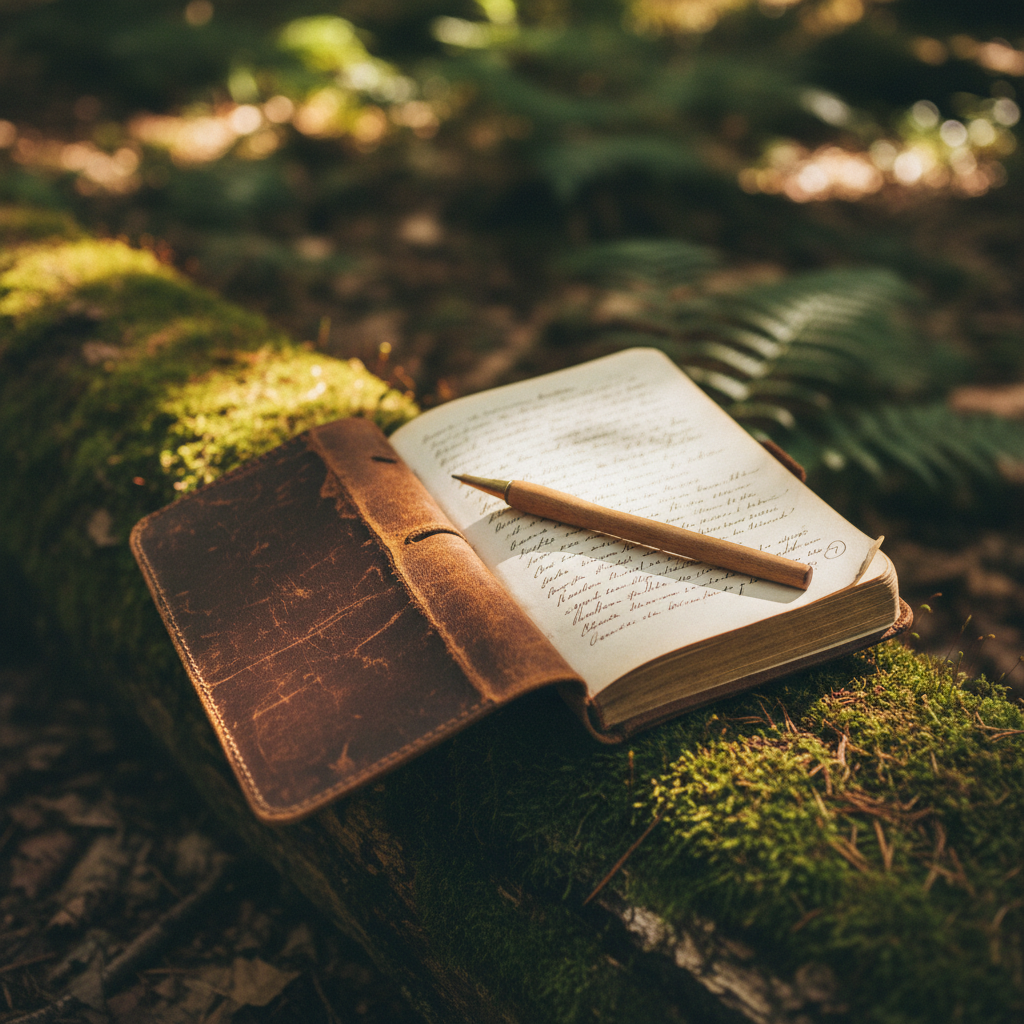
More than just a logbook, a trail journal is a living artifact of your wilderness journey. It’s where fleeting observations crystallize into insights, where the whisper of the wind translates onto paper, and where the subtle shifts in light and feeling are given permanence. It's not about perfect prose or artistic sketches; it's about presence, reflection, and deepening your connection to the adventure.
Why Jettison the Digital for the Tactile?
In an age dominated by instant shares and digital documentation, the idea of penning observations might seem quaint. But that's precisely its power. When you pause to write, you are compelled to slow down. Your senses sharpen. You notice the intricate patterns on a fallen leaf, the distinct call of a distant bird, the unique scent of damp earth after a rain shower. Digital capture often encourages a quick snapshot, a fleeting acknowledgment before moving on. Journaling demands engagement. It asks you to sit, observe, and articulate.
Moreover, the act of physically writing activates different parts of your brain, solidifying memories in a way that passive consumption of images often doesn't. Years from now, flipping through a weathered journal, feeling the texture of the paper, seeing your own handwriting, and perhaps even catching the faint scent of dried leaves pressed between pages, will evoke a far richer, more multi-sensory recall than scrolling through a digital album. It's a tangible link to a past self and a past adventure.
Getting Started: The Simplicity of the Practice
You don't need to be an artist or a seasoned writer to start a trail journal. The barrier to entry is delightfully low. All you truly need is a small, durable notebook and a reliable pen. Waterproof options are excellent protectors against unexpected downpours.
When you stop for a break—whether it's for lunch, to admire a vista, or just to catch your breath—take out your journal. Start with the basics: date, time, location, weather conditions. Then, let your observations flow. What do you see? What do you hear? Smell? Feel? Describe the color variations in the sky, the texture of a rock face, the sound of water gurgling over stones. Don't censor yourself. Jot down thoughts, feelings, bits of overheard conversation, or even a quick sketch of a particularly interesting flower or rock formation.
One of my personal favorite entries involves mapping out a small section of trail I'm on, noting prominent features or points of interest. It's less about navigational accuracy and more about engaging with the immediate landscape. Think of it as creating a personal, impressionistic map of your experience.
Beyond the Hike: The Lasting Rewards
The beauty of trail journaling extends far beyond the trail itself. Back at home, your journal becomes a profound resource. It's a wellspring of inspiration, a reminder of challenges overcome, and a testament to the quiet beauty you've witnessed. Need a mental escape on a dreary Tuesday? Open your journal to a sun-drenched entry from a mountain summit.
For those who seek to improve their outdoor skills, a journal can record gear performance, track wildlife sightings, or document plant identification attempts. It becomes a personal field guide, tailored specifically to your experiences and learning curve. It also cultivates a deeper sense of gratitude and mindfulness, extending the benefits of your time in nature into your everyday life.
So, the next time you pack your bag for an adventure, carve out a small space for a notebook and pen. Embrace the simplicity of trail journaling. You might just find that this quiet practice transforms not only how you remember a hike, but how deeply you experience it in the first place. It's an investment in memory, joy, and a richer relationship with the wild world that awaits your discovery.
<!-- seo-rank-booster:v1 -->Frequently Asked Questions About Trail Journaling
What do you write in a trail journal?
In a trail journal, you can write anything that captures your experience on the hike. Start with the basics like the date, location, trail name, and weather. Then, describe what you see, hear, and smell. Note your feelings, challenges overcome, interesting plants or wildlife, or even sketch a vista or a flower. The goal is to record your personal experience, not to write a perfect story.
What are the benefits of keeping a hiking journal?
Keeping a hiking journal deepens your connection to nature by encouraging you to slow down and observe your surroundings more carefully. The physical act of writing helps solidify memories in a way that just taking photos doesn't. Your journal becomes a tangible artifact of your adventures, allowing you to vividly relive your experiences and track your growth as an outdoorsperson.
How do you start a trail journal?
The best way to start a trail journal is to simply begin. All you need is a durable, portable notebook and a reliable pen or pencil. On your next hike, take a few minutes during a break to jot down your initial observations. Don't worry about quality; just focus on the act of recording the moment.
What makes a good trail journaling notebook?
A good notebook for trail journaling is typically compact, durable, and weather-resistant. Many hikers prefer notebooks with waterproof or tear-resistant paper, like those from Rite in the Rain, to protect their entries from the elements. A sturdy cover that can withstand being packed in a backpack is also a key feature.
Related on Bucketlist Field Guide
- Hoh River Trail to Blue Glacier — Document a multi-day journey through a temperate rainforest, a perfect subject for immersive trail journaling.
- The Highline Trail — Capture the breathtaking, ever-changing vistas of this iconic high-alpine traverse in your journal.
- Presidential Traverse — A journal is the ideal companion for chronicling the challenges and triumphs of this strenuous, rewarding multi-peak trek.
- Plain of Six Glaciers Trail — Record your observations of stunning glacial landscapes and the unique mountain environment on this classic day hike.