
The Urban Hiker's Guide: Get Mountain-Ready, No Matter Where You Live
Dreaming of summit views but stuck in the city? Here’s how to build serious mountain fitness without ever leaving your neighborhood, so you're ready for that big summer adventure.
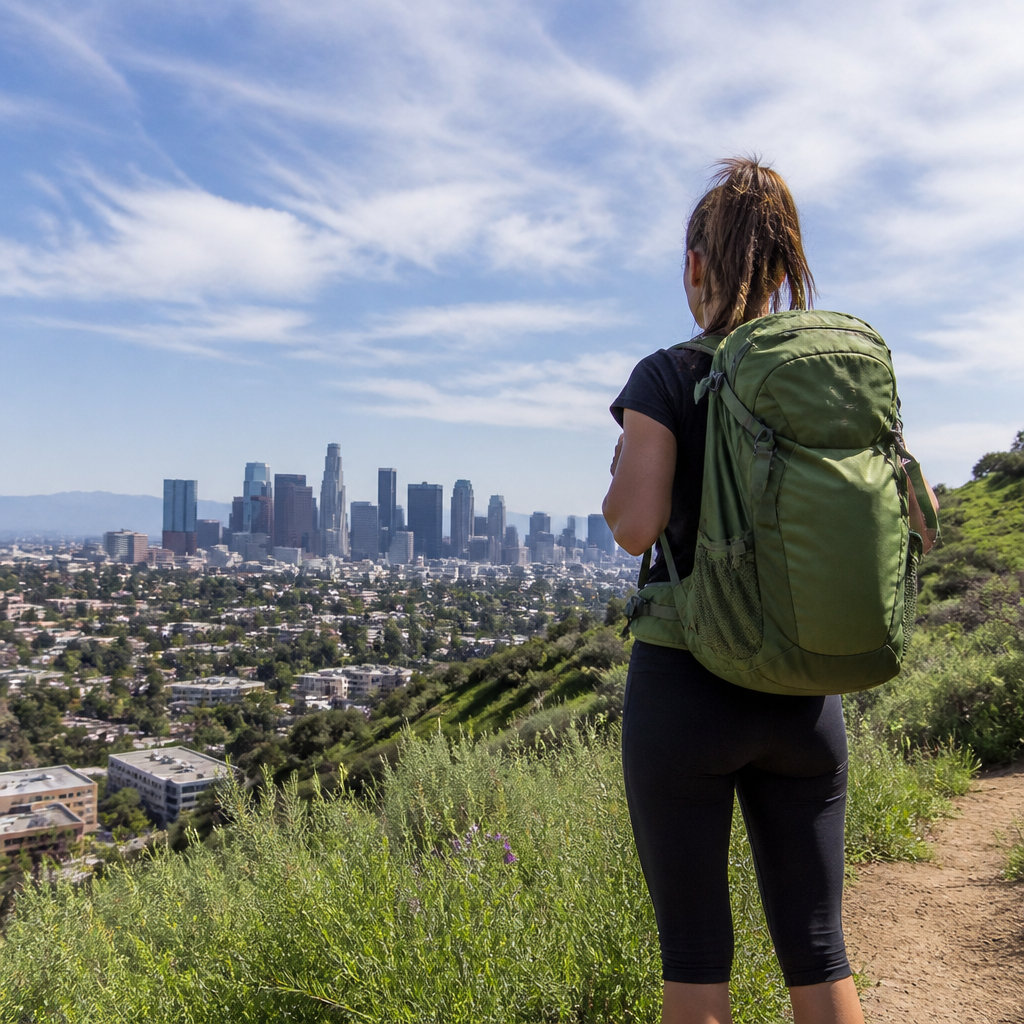
That high-alpine lake on your screensaver is calling. The multi-day trek you’ve bookmarked for three years is finally on the calendar. Summer is here, and the mountains are whispering your name. There’s just one problem: your daily reality involves more concrete and cubicles than ridges and ravines.
For so many of us, the grand adventures we dream of are geographically distant from our day-to-day lives. How do you prepare your body for the grueling demands of a 14,000-foot peak or a week on the trail when the biggest hill in your neighborhood is a freeway overpass?
Fear not, flatlander. With a little creativity and a lot of consistency, you can build mountain-ready fitness right in your own city. Think of it as the gritty, unglamorous prologue to your epic adventure story. Here’s how we do it.
Build Your Engine: The Cardio Foundation
Hiking, at its core, is a long-duration endurance sport. The first goal is to build a powerful aerobic engine that can sustain effort for hours on end. While any cardio is good, specificity is key.
- Embrace 'Time on Feet': More than speed, your body needs to adapt to moving for extended periods. Aim for one long session per week. Start with an hour and gradually build to three, four, or even five hours of continuous, low-intensity movement. A brisk walk, a slow jog, or a hike in a local park are all perfect. This is the foundation upon which all other training rests.
- Focus on Zone 2: For most of your cardio, you should be able to hold a conversation. This “Zone 2” effort builds mitochondrial density and teaches your body to efficiently burn fat for fuel—an essential skill for long days on the trail when you can’t out-eat your calorie expenditure.
- Mix It Up: Don't be afraid to cross-train. Cycling, swimming, and rowing are fantastic, low-impact ways to build your cardiovascular base without the constant pounding of running.
The Stairway to Heaven (or the Gym)
This is the million-dollar question: How do you train for 1,000-foot climbs in a place that’s flat as a pancake? You get creative and you go up.
- The StairMaster Is Your Best Friend: Find a gym with a stair climber or revolving staircase (like a StairMaster Gauntlet). This is the single best tool for simulating the relentless uphill grind of a mountain trail. Start with 20 minutes and progressively add time and intensity each week.
- Seek Out Stadiums: Local high school or college football stadiums are often open to the public in the early mornings. Running or walking up and down a full set of bleachers is a monster workout that builds concentric and eccentric leg strength.
- Hit the Parking Garage: Yes, really. A five- or six-story parking garage offers a significant, repeatable climb. A few laps up and down the ramps or stairs can easily simulate a few hundred feet of elevation gain. Just be safe and go during off-hours.
Crucially, once you're comfortable, start doing these vertical workouts with a weighted pack. Begin with 10-15 pounds and slowly increase the weight until it matches your expected trail weight. This is non-negotiable for backpacking.
Strength for the Long Haul
A powerful engine needs a sturdy chassis. A strong core and durable legs will protect your joints, improve your balance on uneven terrain, and prevent the dreaded back pain that can come from carrying a pack all day.
Focus on functional, compound movements:
- Legs: Squats, lunges (walking lunges are excellent), and box step-ups are your holy trinity. For step-ups, use a bench or box that brings your knee to about a 90-degree angle and focus on driving through the heel of your upper foot. Again, add your weighted pack to these exercises to make them sport-specific.
- Core: A strong core is about more than just abs; it’s your entire trunk. Planks, bird-dogs, and dead bugs are fantastic for building the stability needed to carry a load. They prevent your pack from swaying and protect your lower back.
- Durability: Don't forget the small stabilizing muscles. Simple single-leg balancing exercises and calf raises will build ankle and foot strength, helping to prevent twists and sprains on rocky trails.
The Dress Rehearsal
Your training sessions are the perfect low-stakes environment to test your entire system—body and gear included. Never let the first day of your trip be the first time you’re trying something.
- Hike in Your Boots: Do your long weekly walks and stair sessions in the actual boots or trail runners you plan to wear. This is the only way to break them in and identify potential hot spots before they become trip-ending blisters.
- Load Your Pack: On your long weekend urban hikes, load your pack with your actual gear or a simulated weight (water jugs, textbooks, and bags of rice work well). This lets you dial in the fit, test for chafing, and get your shoulders and hips accustomed to the load.
- Test Your Fuel: Use your long training sessions to experiment with the snacks, hydration mixes, and food you plan to bring. Does that energy bar sit well in your stomach? Do you need more electrolytes? Now is the time to find out.
The work you do now—in the gym, at the local park, on the sixth floor of that empty parking garage—is the investment that pays off in spades. It’s what transforms a grueling suffer-fest into a joyous journey. The first step toward the summit isn't at the trailhead; it’s the one you take right now, right where you are.
<!-- seo-rank-booster:v1 -->Frequently Asked Questions
How do I train for mountain elevation if I live in a flat city?
To simulate mountain elevation, focus on vertical movement. The best tools for urban hiking training are gym stair climbers, stadium bleachers, and multi-story parking garages. Consistent sessions on these will build the specific leg strength and cardiovascular endurance needed for steep trails.
What's the best cardio for hiking training?
The best cardio for hiking is long-duration, low-intensity movement, often called "Zone 2" training. Aim for one long session per week (starting at an hour and building up) of brisk walking, slow jogging, or cycling. This builds endurance and teaches your body to efficiently burn fat for fuel during long days on the trail.
How much weight should I carry when training for backpacking?
When starting your urban hiking training, begin with a weighted pack of 10-15 pounds to allow your body to adapt. Gradually increase the load in subsequent workouts until it matches your expected trail weight. This is essential for strengthening your back, core, and legs for the unique demands of backpacking.
What exercises are best for hiking strength?
Focus on functional, compound movements that build a sturdy chassis for your cardio engine. Key exercises include squats, walking lunges, and box step-ups, ideally performed with a weighted pack. Also incorporate core exercises like planks and bird-dogs to improve balance and prevent back pain from a heavy pack.
Related on Bucketlist Field Guide
- Presidential Traverse — Put your urban training to the ultimate test on this iconic and strenuous multi-day ridge traverse in the White Mountains.
- Harding Icefield Trail — A perfect goal to motivate your stair-climbing sessions, this trail is a relentless uphill climb with a massive glacial payoff.
- Half Dome via Mist Trail — This guide details the demanding ascent of one of Yosemite's most famous peaks, a true test of strength and endurance.
- Mount Katahdin and the Knife Edge — An Appalachian Trail terminus that requires serious fitness and a head for heights, making it a prime objective for your training.