
Mount Katahdin and the Knife Edge
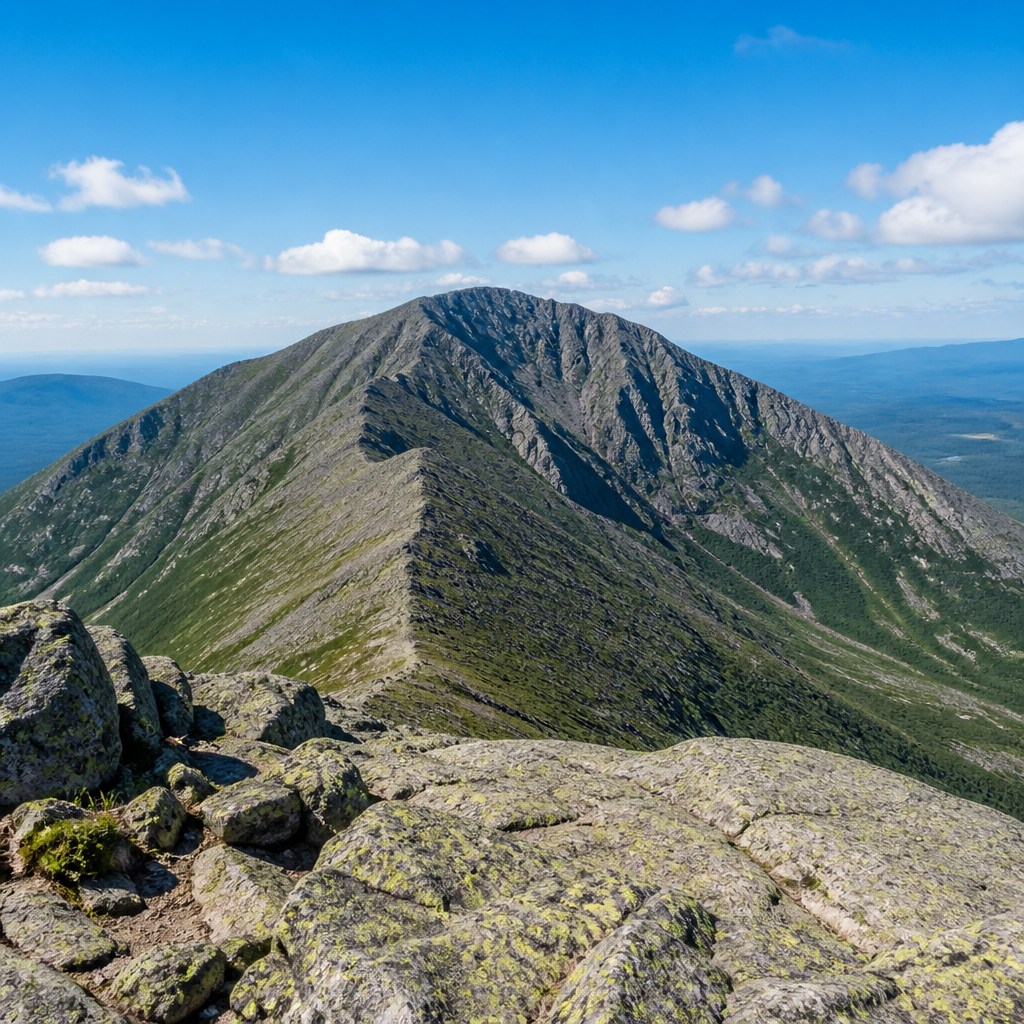
The dramatic finale of the Appalachian Trail, Mount Katahdin offers more than just a summit; it delivers a legendary adventure. Test your nerve on the infamous Knife Edge, a breathtakingly narrow and exposed granite arête with thousand-foot drops on either side. This is New England's most demanding and rewarding day hike, a true rite of passage for any serious mountaineer.
- Difficulty
- hard
- Distance
- 9.5 mi
- Elevation gain
- 4150 ft
- Permit
- Not required
Why It's Special
Mount Katahdin is more than a mountain; it's a symbol of wilderness and the crowning jewel of Maine. As the northern terminus of the 2,190-mile Appalachian Trail, its granite summit represents the culmination of an epic journey for countless thru-hikers. The mountain exists within the forever-wild sanctuary of Baxter State Park, a gift from Governor Percival P. Baxter, who dedicated his life to preserving this rugged landscape for the people. Unlike national parks, Baxter is managed with a focus on wilderness preservation above recreation, creating a truly remote and untamed experience.
The ultimate allure for many day-hikers, however, is the Knife Edge. This legendary 1.1-mile traverse is a geological marvel—a razor-thin arête of fractured granite connecting Pamola Peak to Baxter Peak. With precipitous drops of over a thousand feet on both sides, crossing it is a thrilling test of balance, nerve, and mountaineering skill. Reaching the summit via this route is not just a hike; it's a pilgrimage and a profound accomplishment that earns you a lifetime of bragging rights.
Best Season
The climbing season for Katahdin is short and subject to the whims of New England weather. The prime window is from late June to early October. Arriving in June places you in a sweet spot: the days are at their longest, the black flies of early summer are starting to wane, and you're ahead of the peak crowds that arrive in July and August. While some snow and ice can linger on the upper slopes and in gullies into June, the main trails are typically clear by the middle of the month.
Fall, from early September to early October, is also spectacular, with crisp air, fewer people, and stunning autumn foliage coloring the surrounding forests. However, the weather becomes more volatile, and the risk of an early-season snowstorm increases. The park typically closes the trails to the summit by mid-October. Always check the official Baxter State Park website for current trail conditions and opening dates before planning your trip.
Logistics
Climbing Katahdin requires significant planning. Baxter State Park strictly limits the number of daily visitors to prevent overuse, making reservations essential. You will need a Day Use Parking Reservation (DUPR) for one of the three primary trailheads: Roaring Brook, Abol, or Katahdin Stream. These reservations become available online months in advance and are highly competitive, especially for summer weekends. If you are camping in the park, your campsite permit serves as your access pass.
The nearest full-service town is Millinocket, about a 30-minute drive from the park's Togue Pond Gatehouse. From the gatehouse, it's another 30-45 minute drive on unpaved roads to the trailheads. The most classic and challenging route incorporating the Knife Edge begins at the Roaring Brook Campground. A popular loop is to ascend the Helon Taylor Trail to Pamola Peak, cross the infamous Knife Edge to Baxter Peak (the true summit, 5,269 ft), and then descend via the Saddle Trail. From the Saddle, you can follow the Chimney Pond Trail back to Roaring Brook, completing a strenuous 9.5-mile loop with over 4,000 feet of elevation gain. Plan for a full day; a 10-12 hour hiking time is common.
Pro Tips
- Weather is Paramount: Katahdin creates its own weather, which can change in minutes. Check the higher-summit forecast multiple times before your hike. Never attempt the Knife Edge in high winds, rain, or thunderstorms; it is completely exposed with no escape route.
- Start at Dawn: An early start (e.g., 6-7 AM) is non-negotiable. This gives you the maximum amount of daylight to complete a long, demanding hike and helps you get off the summit before afternoon thunderstorms, which are common in summer.
- Pack for All Conditions: Bring a minimum of 3-4 liters of water, high-energy food, a headlamp, a map, and a first-aid kit. Dress in non-cotton layers and pack a waterproof/windproof shell, a hat, and gloves, even on a warm day. The summit can be 20-30°F colder and significantly windier than the base.
- Know Your Limits: This is not a hike for beginners, those with a fear of heights, or anyone unprepared for strenuous, technical scrambling. The Knife Edge involves using both hands and feet, with sections as narrow as three feet wide. Park rangers have the authority to close trails and turn hikers back for safety reasons—heed their advice.
- Leave No Trace: You are in a pristine wilderness area. Pack out everything you pack in, stay on the designated trail to protect fragile alpine vegetation, and observe wildlife from a distance.
Must-use gear on Mount Katahdin and the Knife Edge
Field-tested picks matched to this terrain. Links are affiliate — they keep the field guide free at no extra cost to you.

Two-way satellite messaging and an SOS button the size of a key fob. If you hike alone, you want this.

The only sock with a true lifetime guarantee. Merino blend, perfect cushioning, zero blisters across hundreds of miles.
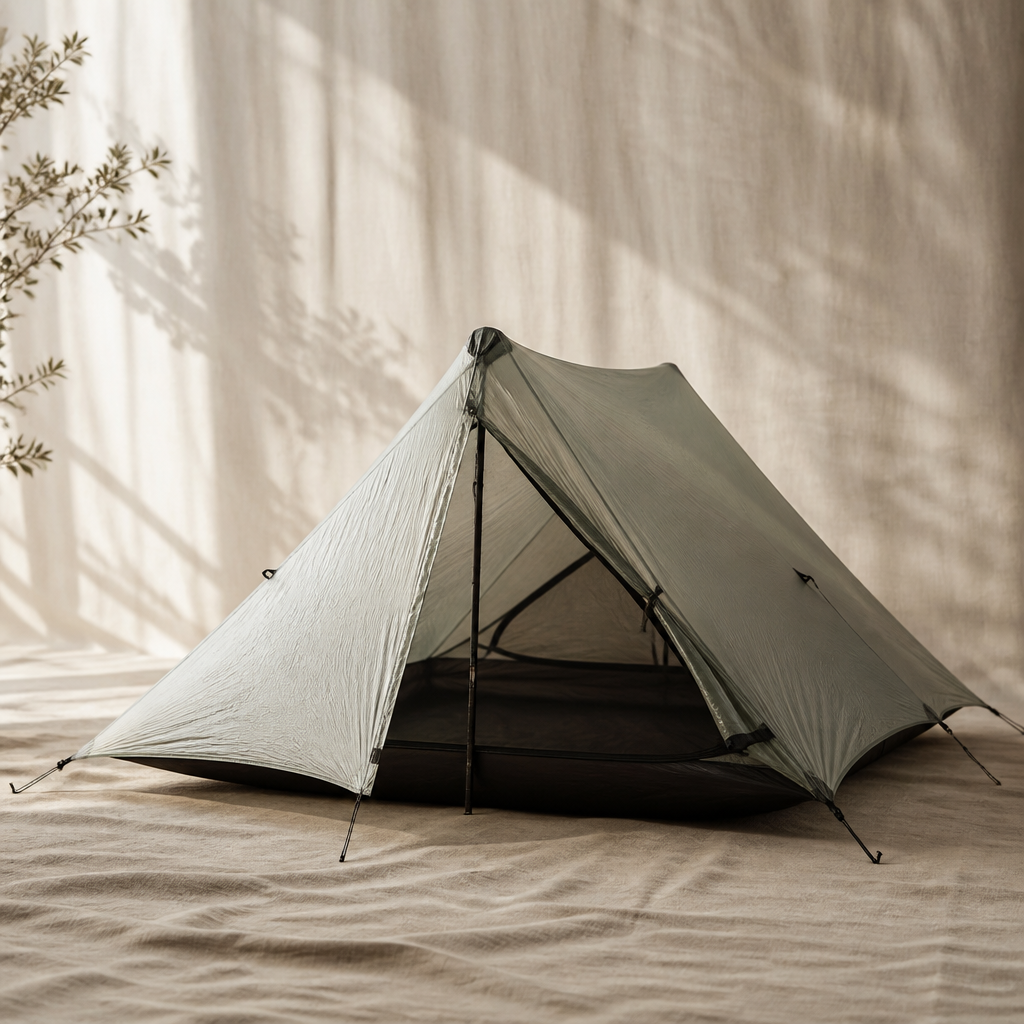
The Durston X-Mid Pro 2 redefines what's possible in an ultralight, two-person trekking pole shelter, offering palatial space and storm-worthy performance at a staggeringly low weight. By utilizing Dyneema Composite Fabric and a brilliant offset pole design, it delivers exceptional livability without the typical compromises of minimalist shelters.
Recommended footwear for this terrain

The best all-around day-hiking boot we tested in 2026. Light, grippy Contagrip outsole, dialed lacing, waterproof without feeling like a sauna.
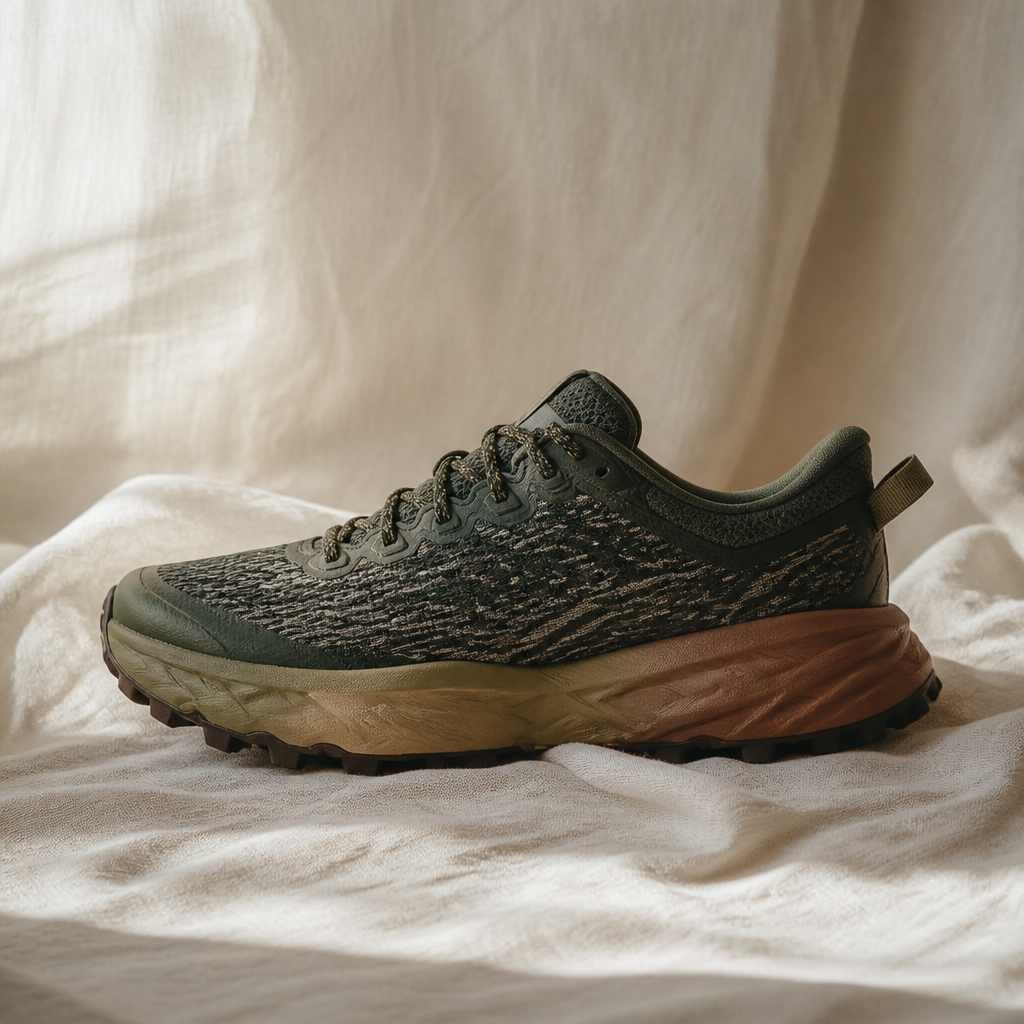
The HOKA Speedgoat 5 continues its reign as a trail-running and hiking favorite, offering unparalleled cushioning for an exceptionally comfortable ride over long distances. Its redesigned Vibram Megagrip outsole with Traction Lugs provides tenacious grip on the most demanding technical terrain, making it a go-to for serious adventurers.
Best hydration for this trail
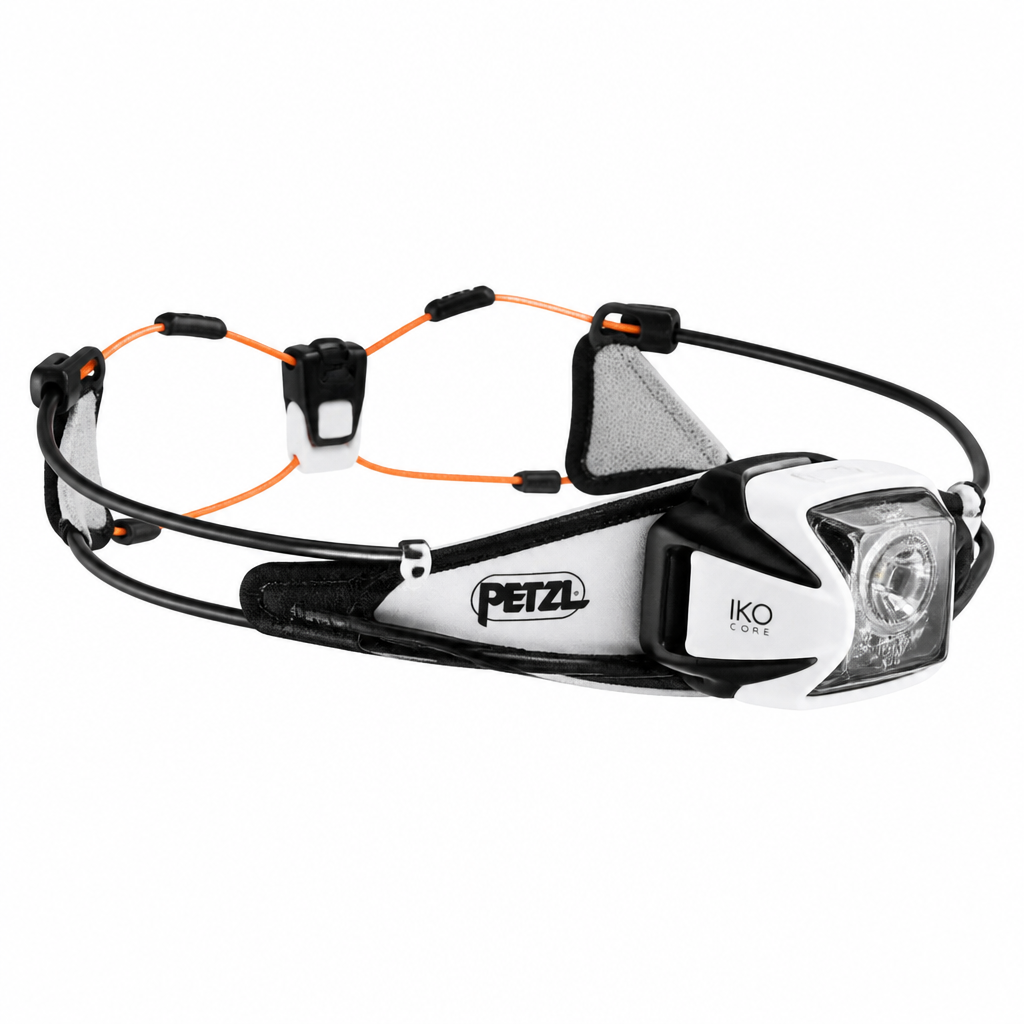
The Petzl Iko Core is a revolutionary rechargeable headlamp that challenges traditional design with its ultra-light, semi-rigid AIRFIT headband. It offers exceptional comfort and balanced weight distribution, making it nearly unnoticeable during high-output activities like trail running and fastpacking.
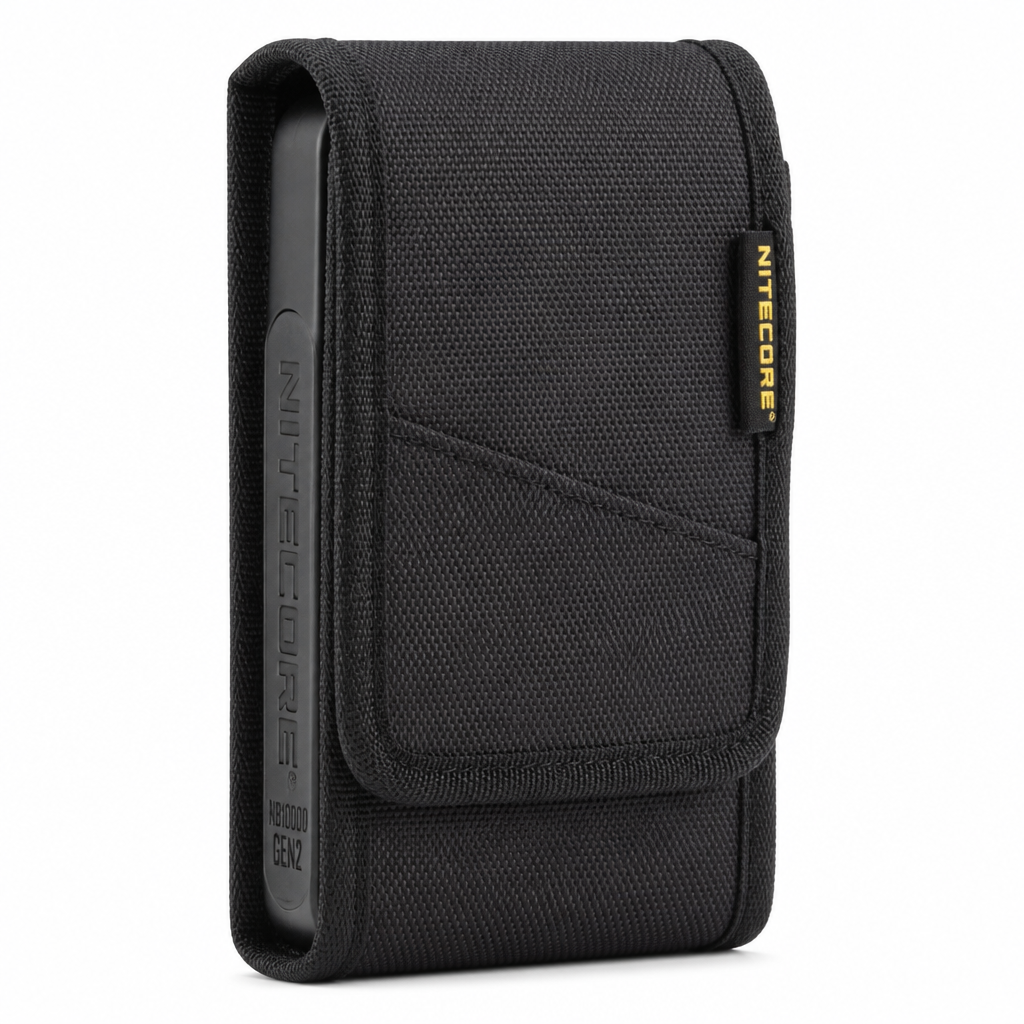
The Nitecore NB10000 Gen 2 is the gold standard for ultralight power banks, packing a massive 10,000mAh capacity into a carbon fiber frame that weighs a mere 5.3 ounces. It's the go-to choice for thru-hikers and weekend warriors who need to keep essential electronics charged without adding punishing weight.