
Hypothermia: How to Recognize It Early and What to Do
It's not just a winter problem — most backcountry hypothermia happens between 30°F and 50°F. Here are the warning signs and the fix.
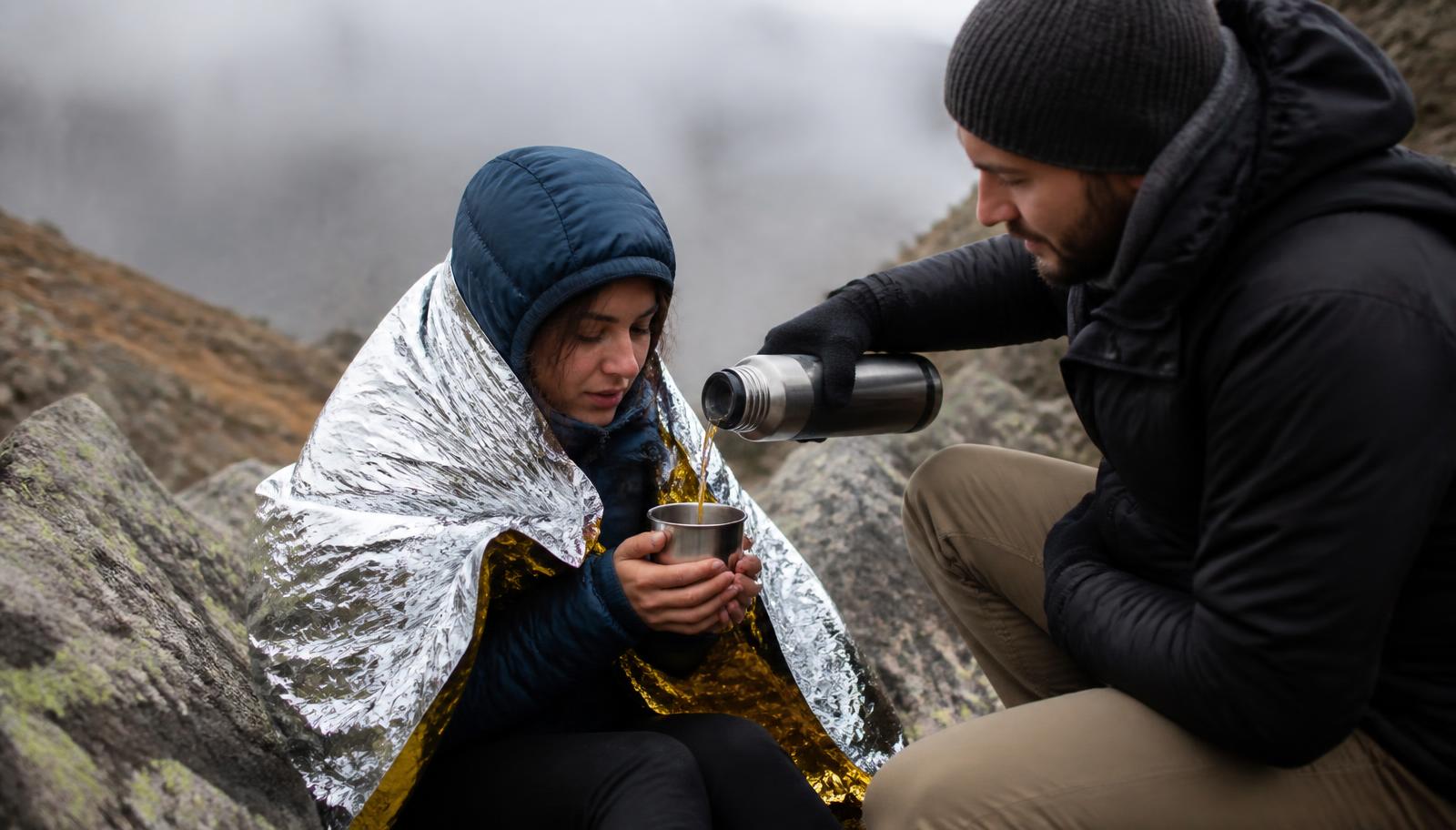
Hypothermia sets in when your body loses heat faster than it produces it. Wet skin, wind, and exhaustion accelerate it dramatically — which is why the textbook 'hypothermia weather' is a damp 40°F day, not a blizzard.
Early warning signs (mild hypothermia, core temp 95–97°F): the 'umbles' — stumbles, mumbles, fumbles, grumbles. Shivering you can't suppress. Cold hands and feet that won't warm up. Subtle confusion or irritability. Treat it NOW — recovery is easy at this stage and brutal once it progresses.
Moderate hypothermia (90–95°F): violent shivering, slurred speech, clumsiness, apathy. The victim may stop caring about their own situation. This is a serious emergency.
Severe hypothermia (below 90°F): shivering STOPS (a critical and counterintuitive sign), muscle rigidity, loss of consciousness, slow pulse. Handle gently — rough movement can trigger cardiac arrest.
Field treatment: stop and shelter from wind and rain immediately. Remove wet clothing, replace with dry insulating layers, add a wind shell. Get the victim off the ground onto a pad. Warm sugary drinks if conscious. Skin-to-skin contact inside a sleeping bag works.
Prevention is everything: avoid cotton, carry a wind layer like the Patagonia Houdini on every hike, eat regularly, and turn around when conditions deteriorate. The mountain isn't going anywhere.