The Modern Hiking Safety Checklist: 12 Habits That Keep You Alive
Most search-and-rescue calls trace back to the same handful of mistakes. Here's how to avoid being a statistic in 2026.
Search-and-rescue teams across the U.S. logged a record number of backcountry incidents in 2025. The pattern is depressingly consistent: hikers underestimate distance, overestimate daylight, and underpack water and warmth.
-
File a trip plan. Tell one person your route, expected return time, and when to call for help. Apps like inReach Earthmate and the free CalTopo trip share make this a 30-second task.
-
Check the forecast at the trailhead elevation, not your house. Mountain weather can be 30°F colder and arrive 4 hours earlier than valley forecasts suggest.
-
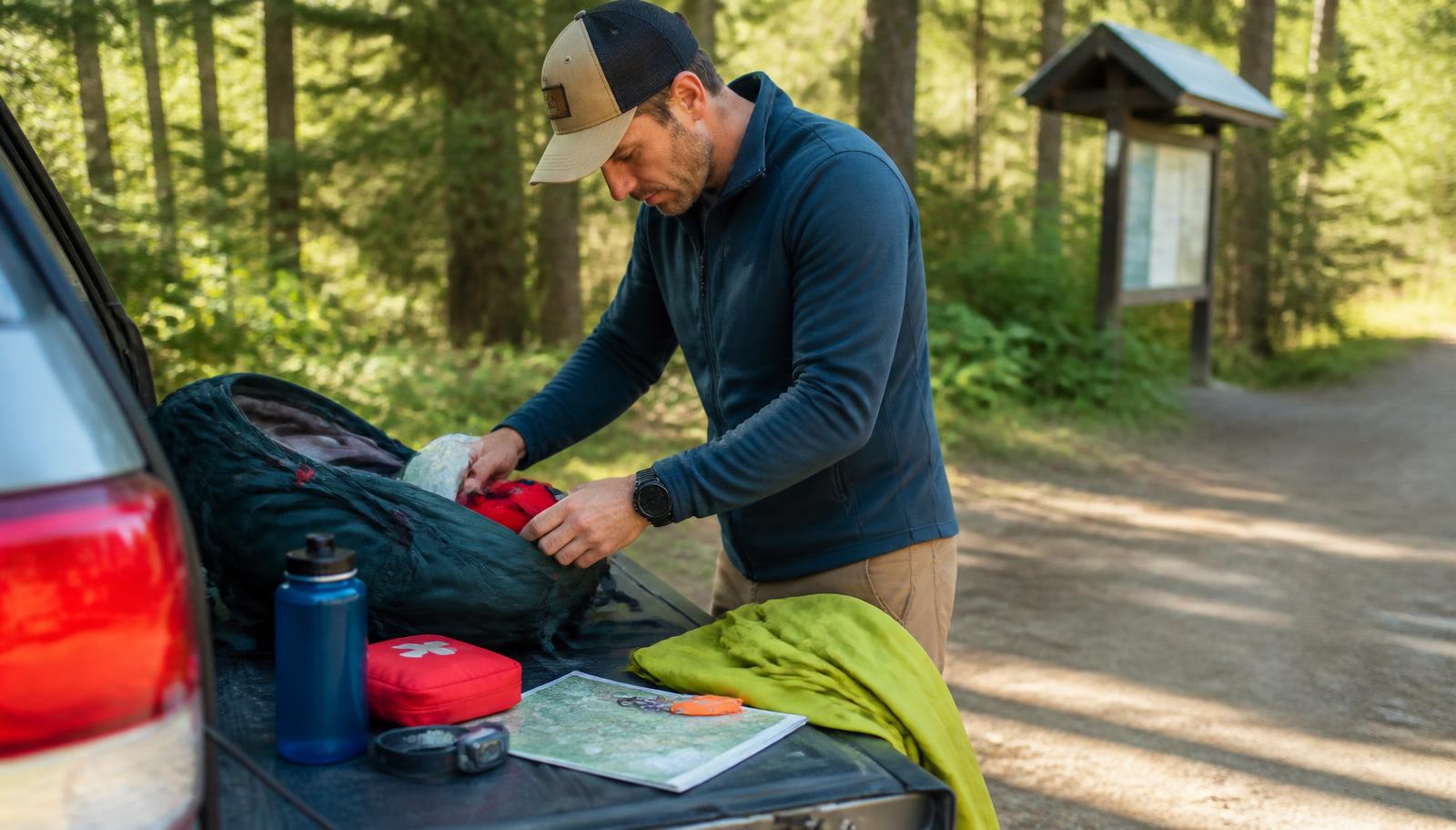
Carry the Ten Essentials every hike — no exceptions for 'just a short one.'
-
Turn around at your pre-decided turnaround time, even if the summit is in sight. Summit fever kills.
-
Stay on trail. Roughly 40% of SAR responses involve hikers who left the marked path 'just for a minute.'
-
Drink before you're thirsty and eat before you're hungry. Bonking turns small mistakes into bad ones.
-
Hike with a partner when possible. Solo is fine if you're prepared — but carry a satellite messenger.
-
Know basic wilderness first aid: blister care, bleeding control, hypothermia recognition.
-
Carry a headlamp on every hike, including 'two-hour' ones. Twisted ankles get slow.
-
Respect wildlife distance: 25 yards for most animals, 100 yards for bears and wolves.
-
Lightning safety: if you can hear thunder, you're in striking range. Get off ridges immediately.
-
When in doubt, turn around. The mountain will still be there next weekend.