9 Wild Berries That Can Kill You — Learn These First
Before you forage a single edible, memorize these. Several look identical to safe species and have killed experienced hikers.
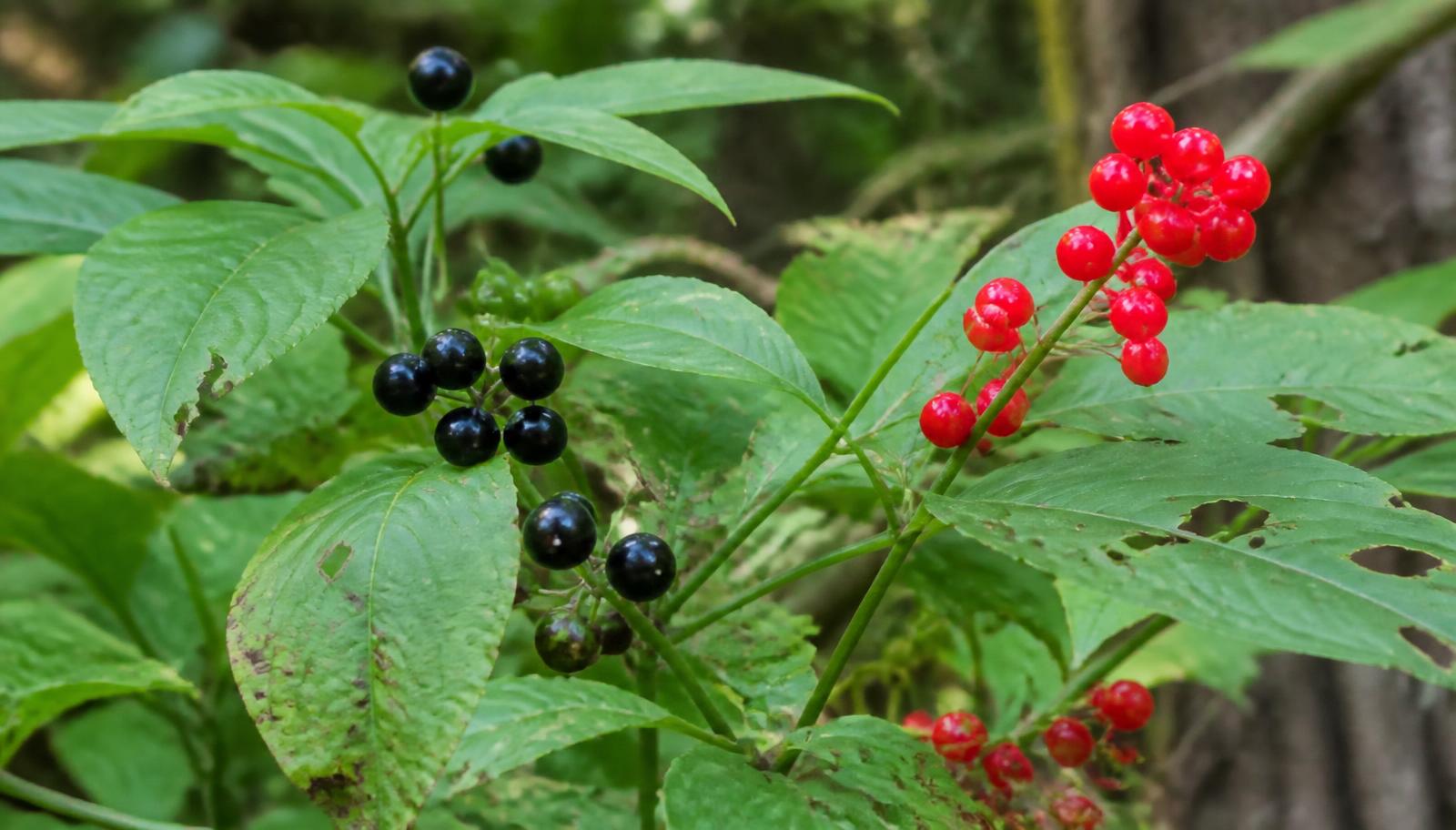
The single most important rule in foraging: learn the deadly species before you learn the edible ones. The list below covers the most dangerous berries in North America. Every one has caused fatalities, often in adults who mistook them for something familiar.
-
DEADLY NIGHTSHADE / BELLADONNA (Atropa belladonna) — shiny black berries, somewhat sweet, often mistaken for wild cherries or blueberries. 2–5 berries can kill a child; 10–20 can kill an adult. Causes hallucinations, paralysis, cardiac arrest.
-
POKEWEED (Phytolacca americana) — clusters of dark purple berries on bright pink-red stems. Common across the eastern U.S. Toxic at every stage and increasingly so as the plant matures. Children are most often poisoned.
-
HOLLY (Ilex spp.) — bright red berries on glossy spined leaves. Causes severe vomiting and diarrhea. Twenty berries can be lethal to a child.
-
YEW (Taxus spp.) — bright red, fleshy 'aril' that looks tempting and is the only non-toxic part — but the SEED inside is extremely poisonous, and there's no warning before sudden cardiac arrest. Don't risk it.
-
MOONSEED (Menispermum canadense) — looks nearly identical to wild grapes but has a single crescent-shaped seed (grapes have 2–4 round seeds). Causes seizures and death.
-
JERUSALEM CHERRY (Solanum pseudocapsicum) — orange-red berries, often grown as ornamentals. Whole-plant toxicity. Frequently mistaken for cherry tomatoes by children.
-
WHITE BANEBERRY / DOLL'S EYES (Actaea pachypoda) — eerie white berries with a black dot, on bright red stalks. The most toxic part is the berry. Causes cardiac arrest.
-
MISTLETOE (Phoradendron spp.) — white berries growing in clumps on host trees. All parts toxic; berries especially.
-
ROSARY PEA (Abrus precatorius) — bright red with a black spot, common in the southern U.S. and tropics. Contains abrin, one of the most lethal natural toxins known. A single chewed seed can kill an adult.
If you suspect ingestion: call Poison Control (1-800-222-1222 in the U.S.) immediately — do not wait for symptoms. Bring a sample of the plant to the ER if at all possible.