The Ultralight Backpacking Gear Guide: Premium vs. Budget Picks (2026)
Build a complete sub-10 lb base weight without breaking the bank. Top-rated brand-name ultralight gear paired side-by-side with the best comparable Amazon alternatives — tent, pack, sleep system, stove, water filter, layers and the Ten Essentials.
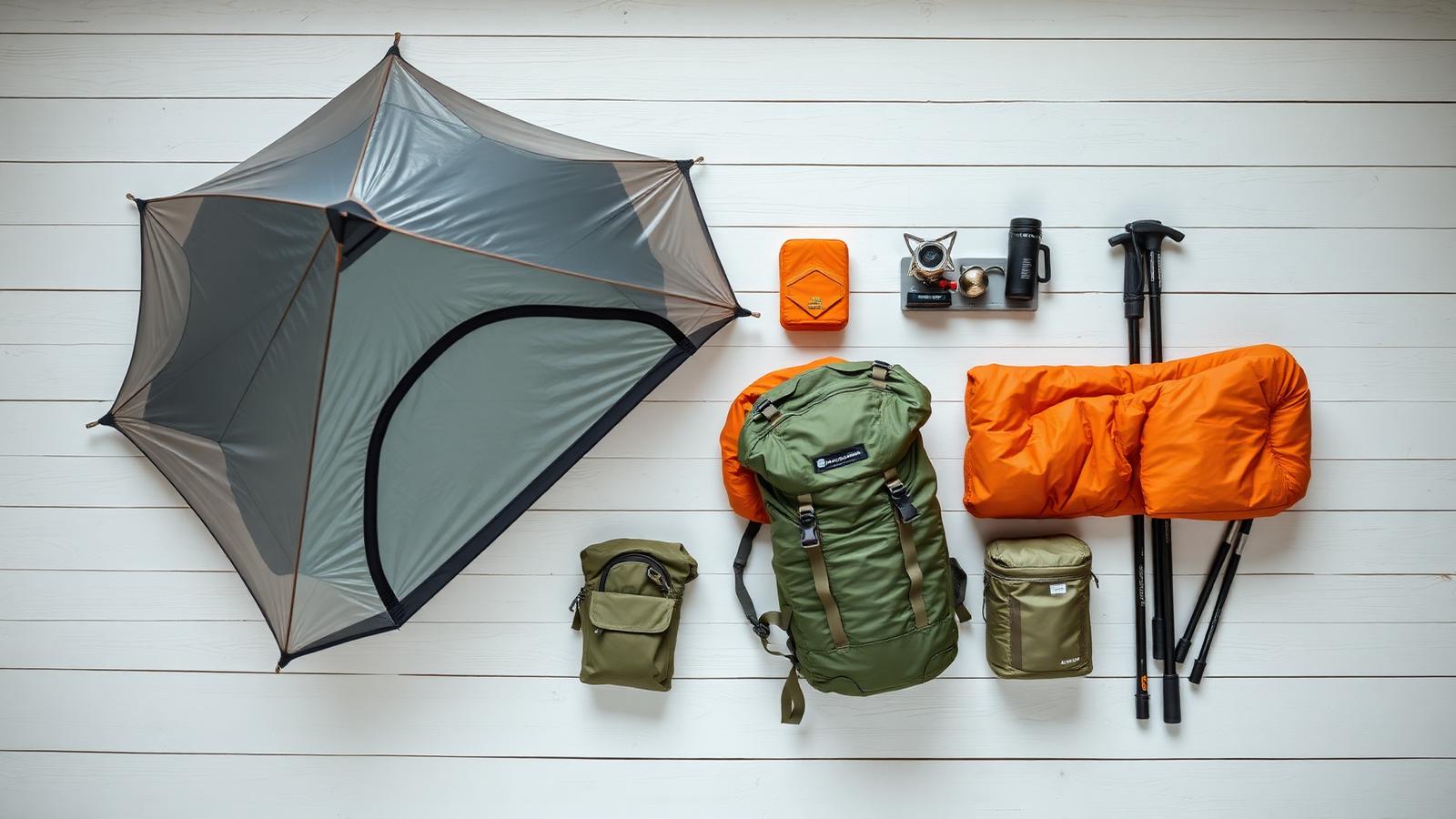
Ultralight backpacking is the art of carrying less so you can hike farther, feel better, and actually enjoy the miles. The good news in 2026: you no longer need a $5,000 cottage-industry kit to get there. With smart pairings of brand-name premium gear and well-chosen Amazon alternatives, most hikers can build a complete sub-10-pound base weight for well under $1,500 — and a respectable sub-15-pound kit for closer to $500.
This guide walks you through every category that matters, side-by-side: the top-rated premium pick and a comparable budget option, each linked directly to the specific product on Amazon. As an Amazon Associate we earn from qualifying purchases at no extra cost to you — thanks for supporting independent trail journalism.
What "ultralight" actually means
Three weights matter:
- Base weight — everything in your pack except food, water and fuel. The classic targets are under 20 lb (lightweight), under 10 lb (ultralight), and under 5 lb (super ultralight).
- Skin-out weight — base weight plus what you wear and carry on your body.
- Total pack weight — base weight plus consumables, usually 1.5–2 lb per day of food and ~2 lb per liter of water.
Cutting weight pays compounding interest: a lighter pack lets you carry a smaller pack, which lets you use less suspension, which saves more weight. Start with the "Big Three" — shelter, pack, and sleep system — because that's where 60–70% of your base weight lives.
The Big Three
1. Shelter
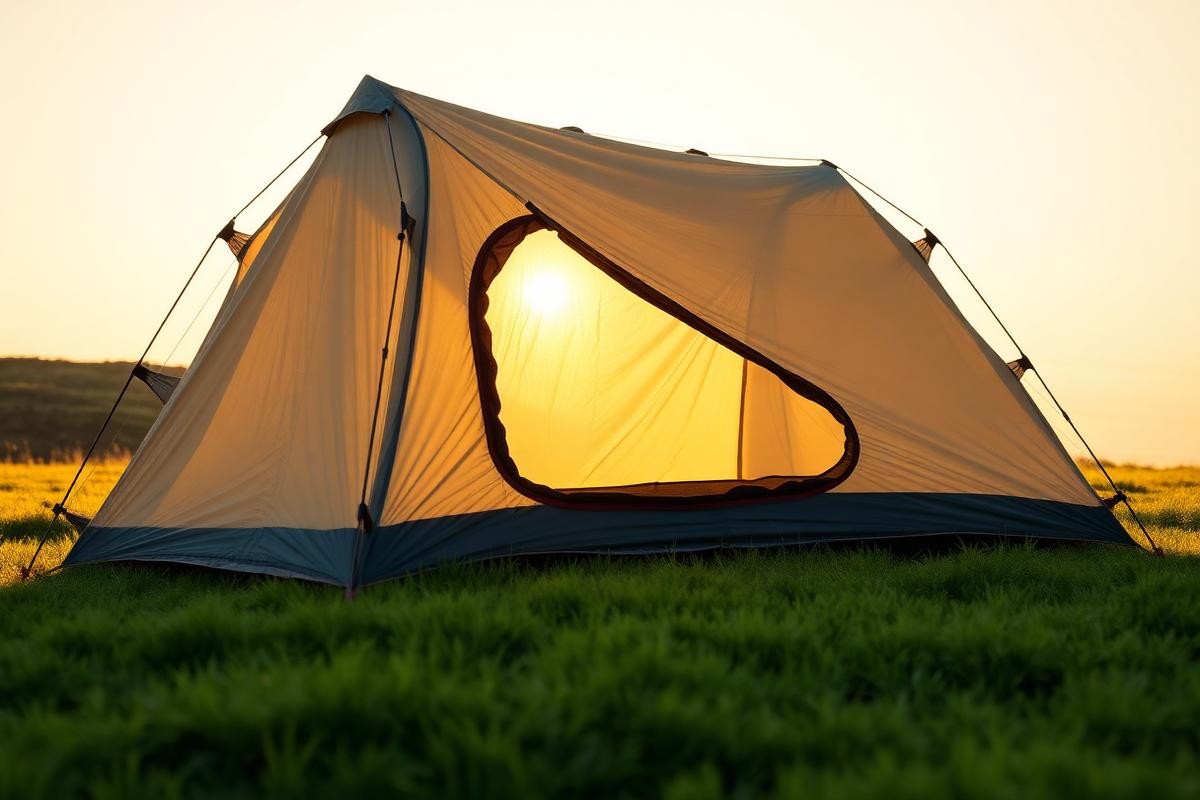
Premium pick — Big Agnes Copper Spur HV UL2 (~$550, ~2 lb 12 oz): The benchmark freestanding ultralight tent. Two doors, two vestibules, near-vertical walls, and bombproof DAC poles. If you want a "buy it once" ultralight tent that doesn't require trekking poles, this is it. Shop the Copper Spur HV UL2 on Amazon
Budget Amazon pick — Naturehike Mongar 2 (~$170, ~4 lb 6 oz): Easily the best value in lightweight backpacking tents. Double-wall, two doors, two vestibules, aluminum poles — a near-clone of much pricier designs at a fraction of the price. Owners routinely log hundreds of nights without issues. See the Naturehike Mongar 2 on Amazon →
Trekking-pole tent alternative — Lanshan 2 Pro (~$260, ~2 lb 3 oz): If you already carry trekking poles, the Lanshan 2 Pro gets you into true ultralight tent weight for well under $300. See the Lanshan 2 Pro on Amazon →
2. Backpack
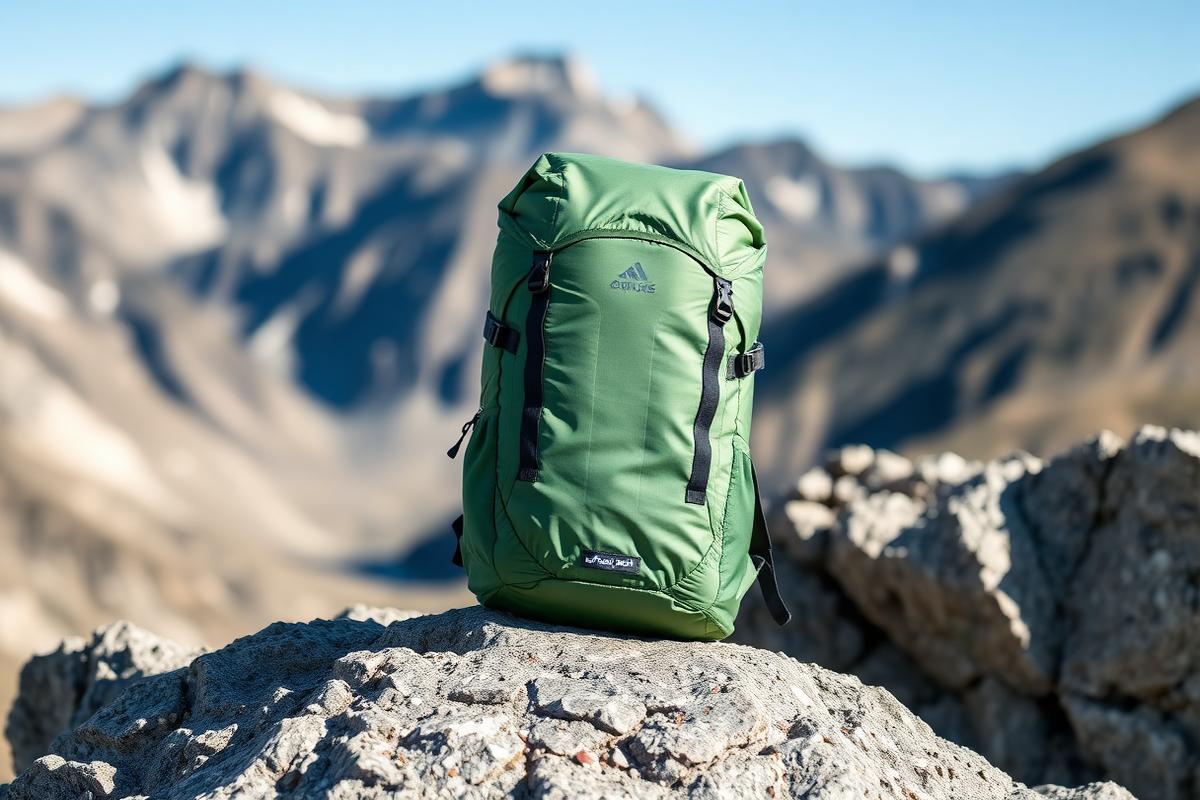
Rule of thumb: choose your pack last, after you know the volume and weight of everything else.
Premium pick — Osprey Exos Pro 55 (~$330, ~2 lb): Osprey's lightest fully-suspended pack. Carbon-fiber frame, ventilated AirSpeed back panel, and Osprey's All Mighty Guarantee. Comfortable up to ~30 lb total load. See the Exos Pro 55 on Amazon →
Budget Amazon pick — Granite Gear Crown 3 60L (~$220, ~2 lb 3 oz): A perennial budget-ultralight favorite among thru-hikers. Roll-top, removable frame and lid for further weight savings, comfortable to 35 lb. See the Crown 3 60L on Amazon →
3. Sleep system (bag/quilt + pad + pillow)
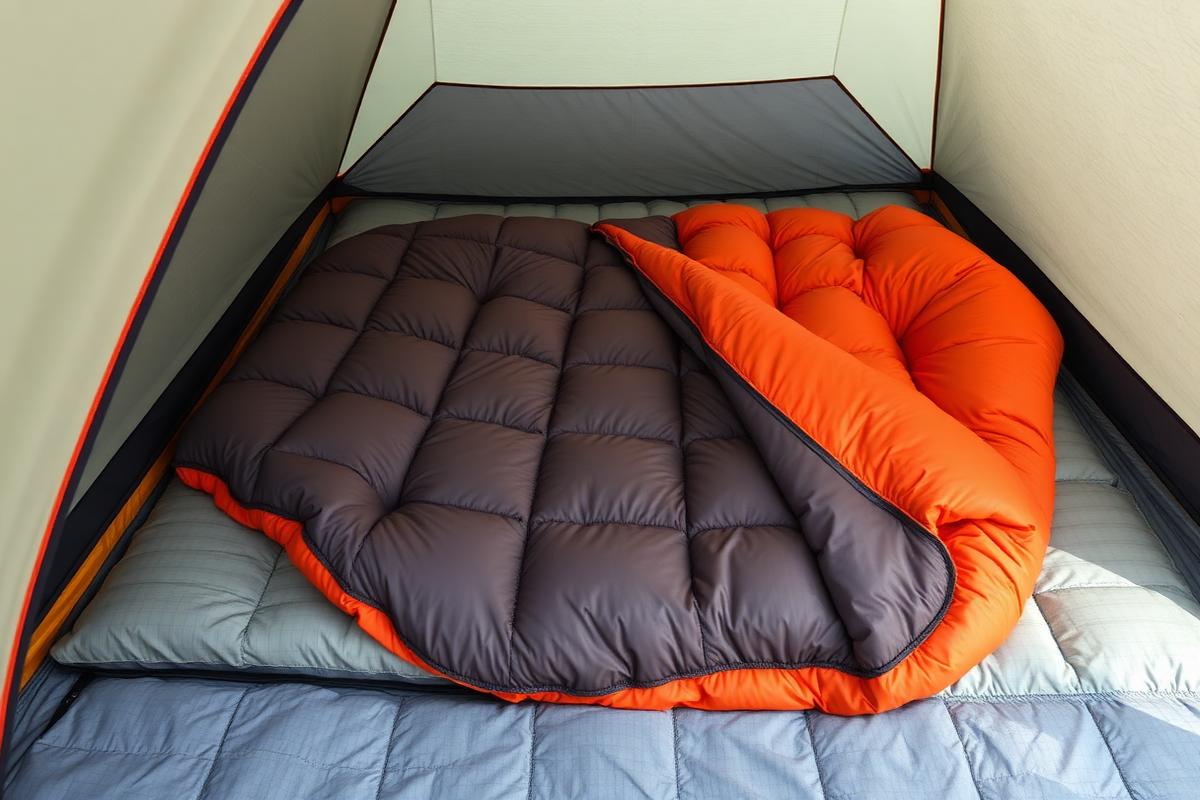
Premium bag pick — Sea to Summit Spark Ultralight Down (~$549, ~1 lb 9 oz): 850+ fill-power down, ultralight 10D shell, and a long temperature range. One of the warmest-per-ounce mummy bags you can buy on Amazon. See the Sea to Summit Spark on Amazon →
Budget Amazon pick — Kelty Cosmic 20 Down (~$200, ~2 lb 13 oz): Genuinely warm 550-fill duck down, durable, and bombproof for the price. Heavier than ultralight specialty quilts but bulletproof for anyone starting out. See the Cosmic 20 on Amazon →
Premium pad — Therm-a-Rest NeoAir XLite NXT (~$240, ~13 oz): The industry-standard ultralight inflatable pad. R-value 4.5, 3" thick, comfortable into shoulder seasons. See the NeoAir XLite NXT on Amazon →
Budget pad — Klymit Static V2 (~$60, ~16 oz): Surprisingly comfortable, durable, and a long-running favorite of budget thru-hikers in 3-season conditions. See the Klymit Static V2 on Amazon →
Pillow — Sea to Summit Aeros Premium (~$45, 2.8 oz): Tiny, comfortable, and worth every fraction of an ounce. See the Aeros Premium on Amazon →
Kitchen
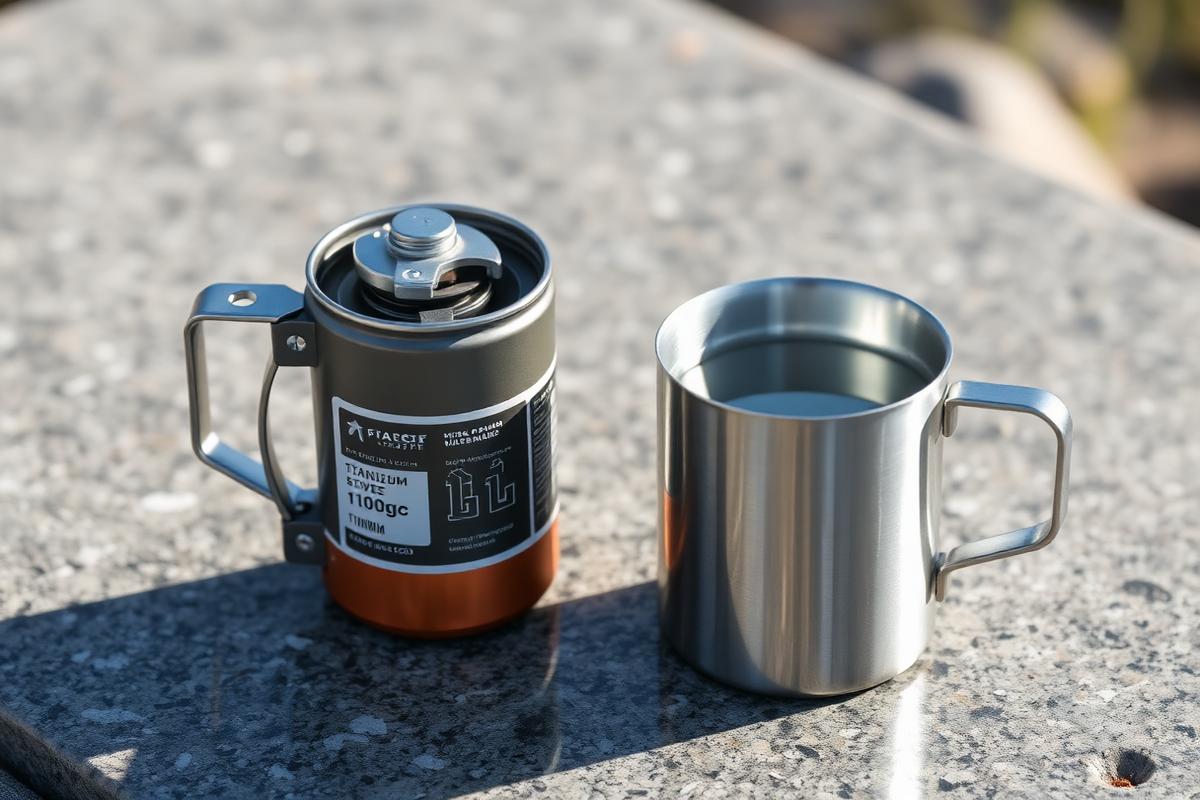
Premium pick — MSR PocketRocket 2 (~$50, 2.6 oz): Reliable, fast boils, and the easiest ultralight stove to recommend to a friend. Pair it with a TOAKS Titanium 750ml pot (~3.6 oz). See the PocketRocket 2 on Amazon → · See the TOAKS 750ml pot on Amazon →
Budget Amazon pick — BRS-3000T (~$20, 0.9 oz): The lightest canister stove you can buy, period. Less wind-resistant than the PocketRocket but unbeatable on weight and price. Carry a small windscreen and you're set. See the BRS-3000T on Amazon →
Cold-soak alternative — Talenti jar (free) or Vargo BOT 700: No stove, no fuel, no cleanup. Soak cous-cous, ramen, or instant mashed potatoes for 20–30 minutes. The lightest possible "kitchen."
Water treatment
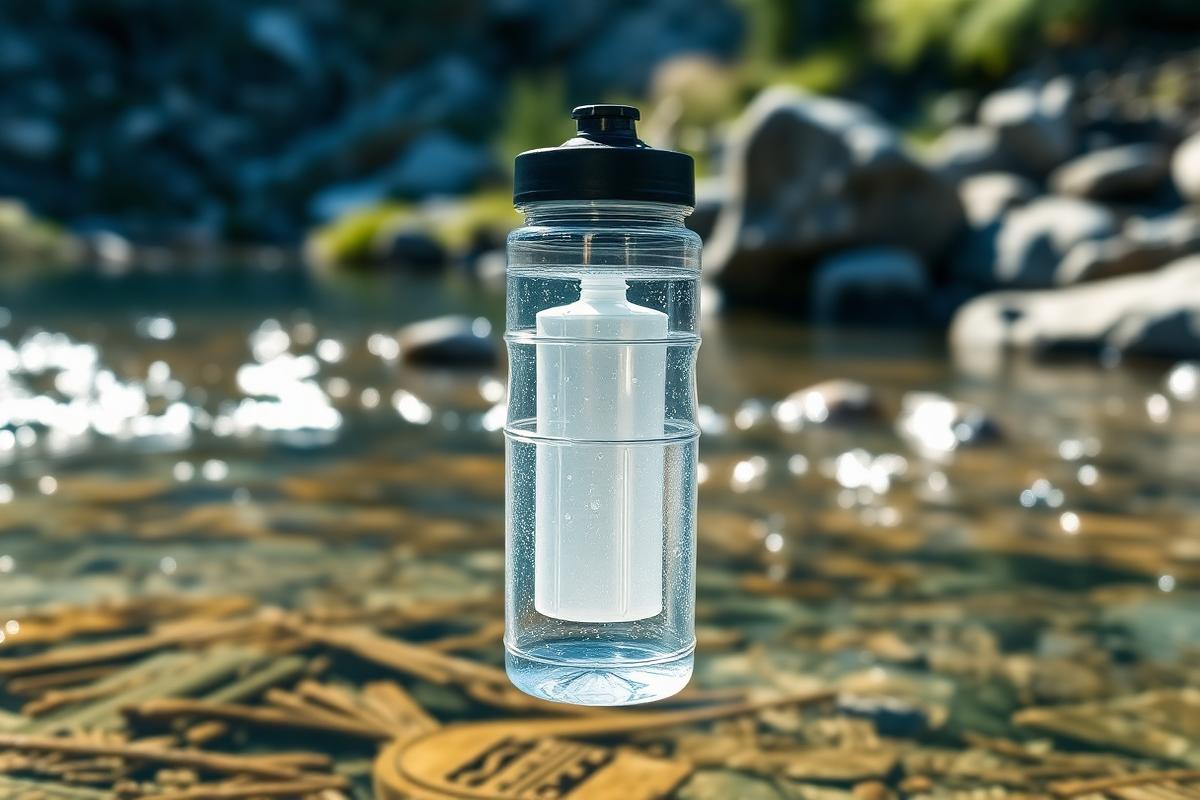
Premium / standard pick — Sawyer Squeeze (SP129) (~$45, 3 oz): The single most popular thru-hiker filter for a decade running. Fast flow, backflushable, lifetime use. Pair it with a CNOC Vecto 2L dirty bag and you've got a bombproof system. See the Sawyer Squeeze on Amazon → · Shop the CNOC Vecto 2L on Amazon →
Budget pick — Sawyer Mini (SP128) (~$25, 2 oz): Same filter media in a smaller package. Slower flow, but cheaper and lighter — great for short trips. See the Sawyer Mini on Amazon →
Backup — Aquatabs 100-pack (~$30, negligible weight): Always carry a chemical backup in case your filter freezes or clogs. See Aquatabs on Amazon →
Clothing & layers
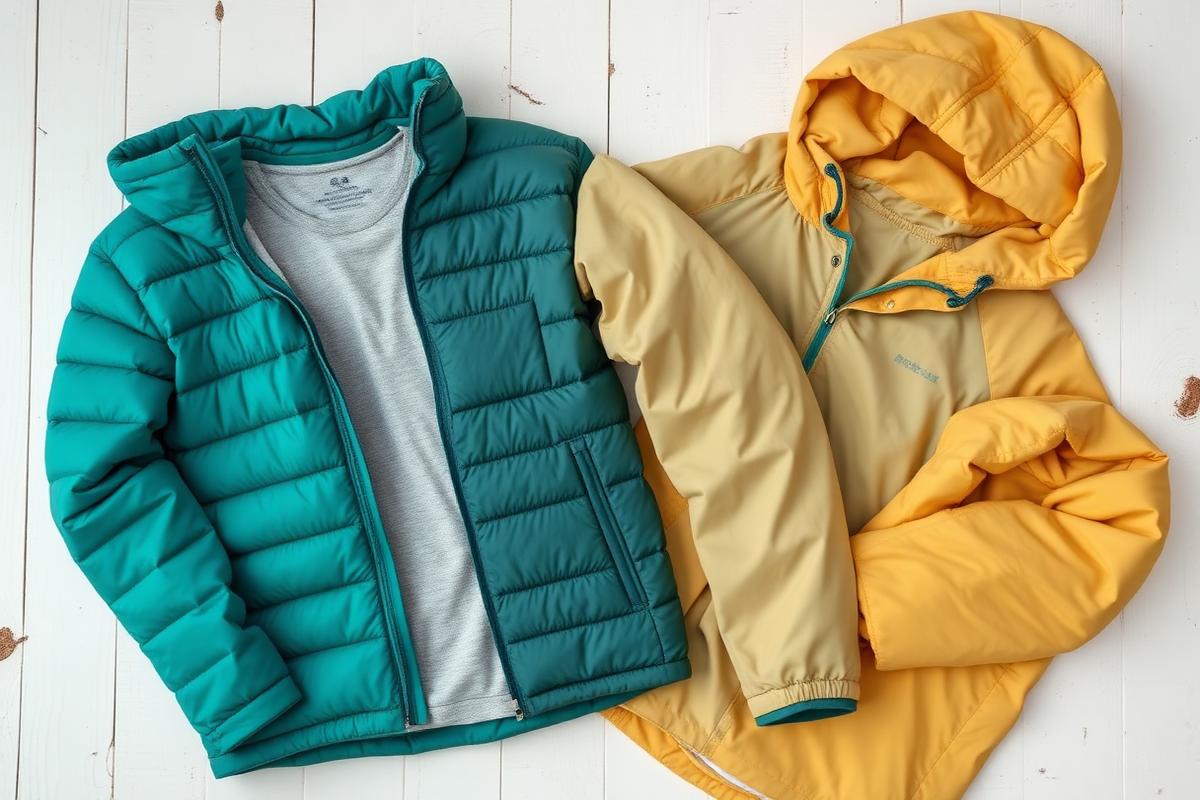
The fastest weight savings in a wardrobe come from fewer, better layers worn in combination.
Premium puffy — Patagonia Down Sweater (~$280, 13 oz): The benchmark midweight down jacket. Shop the Down Sweater on Amazon
Budget puffy — Amazon Essentials / Decathlon Forclaz MT100 packable down (~$60–$90, ~10 oz): Real 650-fill down at a fraction of the price. Layered under a wind shell, plenty warm for 3-season nights. Shop packable down jackets on Amazon
Wind shell — Patagonia Houdini (~$110, 3.4 oz): The single best weight-to-warmth multiplier in your kit. Shop the Houdini on Amazon
Premium rain shell — Outdoor Research Helium Men's (~$180, 6 oz): Truly waterproof, fully seam-taped, and packs to the size of a soda can. See the OR Helium on Amazon →
Budget rain shell — Frogg Toggs Ultra-Lite2 (~$25, 5.5 oz): Yes, the trash-bag-looking one thru-hikers still swear by. Comes with rain pants too — wild value. See Frogg Toggs on Amazon →
Base layer — Smartwool / Merino 150 long sleeve (~$80): Merino regulates temp, resists odor, and lasts a week between washes. Shop Merino 150 base layers on Amazon
Sun hoody — Outdoor Research Echo / Columbia Silver Ridge (~$50–$70): UPF 50+, dries in minutes, doubles as your bug layer. Shop sun hoodies on Amazon
The "Ten Essentials" — ultralight versions
- Headlamp: Nitecore NU25 UL (~$40, 1 oz) — See on Amazon →
- Knife: Opinel No. 6 Carbon (~$15) — See on Amazon →
- First aid: Adventure Medical Kits Ultralight/Watertight .5 (~$32, 3.6 oz) — See on Amazon →
- Navigation: Phone with downloaded Gaia GPS or FarOut maps + a backup paper map.
- Power bank: Nitecore NB10000 Gen II (~$60, 5 oz) — See on Amazon →
- Trekking poles: Black Diamond Distance Carbon Z (~$200) for premium. Budget: Cascade Mountain Tech Carbon Quick-Lock (~$80) — See on Amazon →
- Sun protection: Sun Bum SPF 50 mineral sunscreen (~$16, 3 oz) + Goodr OG polarized sunglasses (~$25, 1 oz) — See sunscreen on Amazon →
- Fire: Bic Mini lighter 2-pack (~$5, 0.4 oz each) plus a few stormproof matches in a waterproof bag. Redundancy is the whole point.
- Emergency shelter: SOL Emergency Bivvy (~$20, 3.8 oz) — heat-reflective, packs to the size of a soda can, has saved real lives. See on Amazon →
- Extra food & water capacity: Pack one full extra day of calorie-dense food (bars, nut butter, Pro Bars) and carry a collapsible 2L Platypus or CNOC bag so you can scoop and cache water at long dry stretches.
Sample base-weight builds
Sub-10 lb premium kit (~$1,600 all-in)
- Big Agnes Copper Spur HV UL2 — 2 lb 12 oz
- Osprey Exos Pro 55 — 2 lb 0 oz
- Sea to Summit Spark Ultralight Down — 1 lb 9 oz
- Therm-a-Rest NeoAir XLite NXT — 13 oz
- MSR PocketRocket 2 + TOAKS 750ml pot — 6.2 oz
- Sawyer Squeeze + CNOC 2L — 6 oz
- Patagonia Down Sweater + Houdini + OR Helium — 1 lb 6 oz
- Misc (headlamp, knife, first aid, etc.) — ~12 oz
- Base weight: ~9.8 lb
Sub-15 lb budget Amazon kit (~$500 all-in)
- Naturehike Mongar 2 — 4 lb 6 oz
- Granite Gear Crown 3 60L — 2 lb 3 oz
- Kelty Cosmic 20 Down — 2 lb 13 oz
- Klymit Static V2 — 16 oz
- BRS-3000T + TOAKS 750ml pot — 4.5 oz
- Sawyer Squeeze + CNOC 2L — 6 oz
- Amazon packable down + Frogg Toggs Ultra-Lite2 + sun hoody — 1 lb 4 oz
- Misc — ~12 oz
- Base weight: ~13.6 lb
Both kits are real, hike-tomorrow setups. The premium kit pays for itself in long-trail durability; the budget kit gets you on trail this weekend without compromising safety.
Watch and learn
If you prefer to learn by video, these creators consistently produce some of the highest-quality ultralight content on YouTube:
- Homemade Wanderlust — "Common Backpacking Gear I'll Never Buy": Watch on YouTube — Dixie's honest take on what's overrated.
- REI — "Backpacking Checklist": Watch on YouTube — Clean, beginner-friendly overview of every category.
- Dose of Dirt — "Comfortable 7 lb Base Weight for Under $500": Watch on YouTube — Excellent budget ultralight build.
- Extra Ultralight — "7 lb Ultralight Gear List (PCT Sierra)": Watch on YouTube — How experienced thru-hikers shave the last ounces.
- Eric Hanson — "Field Testing REI's Best-Selling Backpacking Gear": Watch on YouTube — Side-by-side reviews of mainstream gear.
- Hyperlite Mountain Gear — "5-Day Backpacking Gear List": Watch on YouTube — Inside the cottage-brand approach.
- Darwin onthetrail — "Thru-Hike Gear List": Watch on YouTube — Long-form gear philosophy from a beloved long-distance hiker.
A few hard-earned principles
- Weigh everything. A cheap kitchen scale is the best $15 you'll spend on backpacking.
- Big Three first. Spend your upgrade dollars on shelter, pack and sleep system before flashlights and titanium sporks.
- Don't cut safety. A bivy in a hailstorm or a filter that freezes ruins a trip — and a season.
- Comfort is a feature. The "right" base weight is the one that lets you sleep, eat, and hike happy.
- Try before you commit. Borrow, rent, or buy used. Your perfect kit is the one you dial in over a season.
FTC affiliate disclosure
Bucketlist Field Guide is a participant in the Amazon Services LLC Associates Program. The Amazon links in this article are affiliate links and we earn a small commission on qualifying purchases at no additional cost to you. We only recommend gear our editors have hiked with, tested side-by-side, or vetted against widely respected independent reviews. See our full affiliate disclosure for details.
Related on Bucketlist Field Guide
- The Pre-Season Shakedown: Dialing In Your Systems — test your new kit before a big trip.
- How to Actually Train for a Rim-to-Rim — pair a lighter kit with the fitness to use it.
- Navigating Without Cell Service — the one weight-saving skill that costs nothing.
- Why Slow Hiking Might Be the Most Underrated Skill — going ultralight is about enjoying miles, not racing them.
Frequently Asked Questions About Ultralight Backpacking Gear
What is a good base weight for ultralight backpacking?
A good target for ultralight backpacking is a base weight under 10 pounds. This includes all your gear except for consumables like food, water, and fuel. Many hikers start with a "lightweight" base weight under 20 pounds before investing in specialized ultralight backpacking gear to get below the 10-pound mark.
How can I build an ultralight kit on a budget?
You can build a budget ultralight kit by prioritizing the "Big Three"—your shelter, backpack, and sleep system—where you can find significant weight savings. Look for high-value alternatives that offer performance close to premium cottage-industry gear at a fraction of the cost. A respectable sub-15-pound kit is achievable for around $500 with smart shopping.
What are the "Big Three" in ultralight backpacking?
The "Big Three" in ultralight backpacking are your shelter (tent or tarp), your backpack, and your sleep system (sleeping bag/quilt and sleeping pad). These three categories typically account for 60-70% of your total base weight. Focusing on reducing the weight of these items first provides the biggest impact on your overall pack load.
Do I need a frameless pack for an ultralight setup?
A frameless pack is not a requirement for an ultralight setup, though it can save significant weight. Many modern ultralight packs use lightweight carbon fiber frames to provide suspension and comfort for loads up to 30 pounds. The key is to choose your pack last, ensuring it's suited to the total weight and volume of the ultralight gear you'll be carrying.
Related on Bucketlist Field Guide
- Therm-a-Rest NeoAir XLite NXT — Our review of the benchmark ultralight sleeping pad, a key component of any light-and-fast sleep system.
- Hyperlite Mountain Gear Unbound 40 — A look at a premium, waterproof ultralight pack for hikers looking to push their base weight even lower.
- Jetboil Stash Cooking System — We review one of the lightest complete stove systems on the market, a crucial piece of your ultralight kitchen.
- Durston X-Mid Pro 2 — A deep dive into a top-tier trekking-pole tent for those serious about minimizing shelter weight.
- Presidential Traverse — An iconic and challenging multi-day trek where an ultralight backpacking gear list is a game-changer.