Foot Care on Long Trails: Blisters, Tape, and the Truth About Wool
Hats off to those who dream of long trails! As the editor of Bucketlist Field Guide, I know the magic that unfolds with each step across vast landscapes, but that magic can quickly dissipate, replaced by agony, if your feet aren't given the royal treatment they deserve.
This guide contains Amazon affiliate links. As an Amazon Associate, BucketList Trail Guide earns from qualifying purchases — at no extra cost to you.
Foot Care on Long Trails: Blisters, Tape, and the Truth About Wool
Hats off to those who dream of long trails! As the editor of Bucketlist Field Guide, I know the magic that unfolds with each step across vast landscapes, but that magic can quickly dissipate, replaced by agony, if your feet aren't given the royal treatment they deserve. We’ve all heard the adage: “Take care of your feet, and they’ll take care of you.” On a thru-hike or extended backpacking trip, this isn't just a quaint saying; it's practically scripture. Today, let’s dive into the art and science of keeping your feet happy, healthy, and on the move.
The Ubiquitous Blister: Our Arch Nemesis
Ah, the blister. That unwelcome, burning bubble that appears out of nowhere, threatening to derail even the most meticulously planned journey. Blisters are, at their core, a result of friction and moisture. Your foot rubs against a sock or shoe, creating a hot spot. If this friction continues, your skin separates, and fluid fills the void. The key to blister prevention lies in mitigating these two factors.
First, let's talk about shoe fit. It sounds obvious, but so many issues stem from ill-fitting footwear. Your hiking shoes or boots should offer enough room for your toes to wiggle, even when your feet swell later in the day. Get professionally fitted, and don't be afraid to size up. Try on shoes at the end of the day or after an activity when your feet are naturally a bit larger. Break them in thoroughly before hitting the trail – a short walk around the block isn't enough for a 500-mile journey.
Next, manage moisture. Sweaty feet are happy feet for friction. Consider antiperspirants designed for feet (not just regular deodorant), or even a light dusting of foot powder. Carry extra socks and change them frequently, especially if your feet feel damp. Take off your shoes and socks during breaks to air out your feet. This isn't just about comfort; it's about extending the life of your skin barrier.
The Art of Pre-Taping and Early Intervention
Prevention is paramount, but sometimes, despite our best efforts, a hot spot still emerges. This is where taping comes in, and effective taping is an art form. My absolute favorite? Leukotape P. This stuff is gold. It’s incredibly adhesive, thin, and durable, designed for physiotherapeutic applications but a godsend for hikers. When you feel that first twinge, that slight rub – that’s the time to act. Don’t wait for the bubble.
Clean and dry the area thoroughly. Cut a piece of Leukotape large enough to cover the hot spot and extend comfortably beyond it. Apply it smoothly, ensuring there are no wrinkles that could create new friction points. If the area is likely to encounter high movement, like around the heel or ball of the foot, consider rounded edges on your tape to prevent peeling. Some hikers swear by applying moleskin over the hot spot first, then taping over the moleskin with Leukotape for extra cushioning and security. Experiment on shorter hikes to find what works best for your feet. The goal is to create a second skin that takes the friction instead of your actual skin.
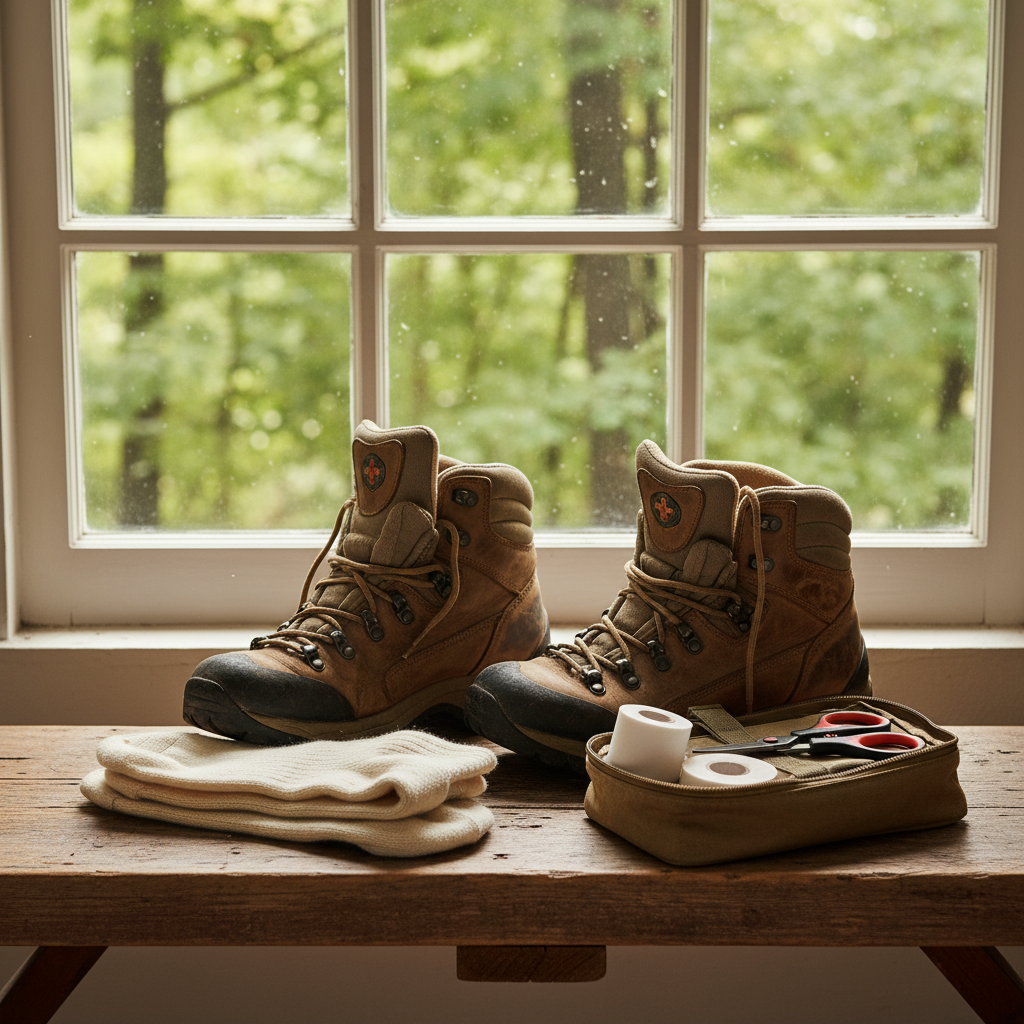
For actual blisters, the strategy shifts slightly. If it's small and not painful, often leaving it be and protecting it with tape is best. If it's large, painful, or at risk of rupturing, you might consider draining it carefully with a sterilized needle, then applying an antiseptic and covering it with a hydrocolloid dressing (like Compeed or blister bandages) topped with more durable tape. Always prioritize cleanliness to prevent infection. Carry a small but well-stocked foot care kit: alcohol wipes, sterile needles, antiseptic wipes, various tapes, and hydrocolloid dressings.
The Truth About Wool: Not All Fibers Are Created Equal
For decades, experienced hikers have championed wool socks, and for good reason. Merino wool, in particular, is a miracle fiber. It wicks moisture away from your skin, regulates temperature (keeping you warm when it's cold, cool when it's warm), and is naturally odor-resistant. This directly addresses the two main causes of blisters: moisture and friction.
However, not all wool socks are made alike, and the truth about wool is that it’s often best when blended. 100% pure merino, while soft, can wear down quicker under the relentless abuse of a long trail. Look for blends that incorporate synthetic fibers like nylon or Lycra. These additions provide durability, elasticity, and shape retention without sacrificing wool’s beneficial properties. Brands like Darn Tough and Smartwool have perfected these blends, creating socks that are comfortable, long-lasting, and excel at managing foot conditions.
Even with the best wool socks, consider a liner sock system. A thin, synthetic liner sock worn beneath your main hiking sock can further reduce friction. The liner takes the brunt of the rubbing against your foot, while the outer sock rubs against the liner, effectively creating two friction surfaces instead of one on your skin. This system, combined with meticulous shoe choice and intelligent taping, will give your feet the best possible chance of carrying you through every single glorious mile of your long trail adventure. Remember, happy feet equal a happy hiker, and a happy hiker sees more sunsets from incredible vantage points. So, lace up, tape up, and step out there boldly!
<!-- seo-rank-booster:v1 -->Frequently Asked Questions About Foot Care on Long Trails
How do you prevent blisters on a long hike?
To prevent blisters, focus on minimizing friction and moisture. Ensure your hiking shoes or trail runners are properly fitted with enough room for swelling, and break them in thoroughly. Use moisture-wicking socks, consider a foot-specific antiperspirant, and take regular breaks to air out your feet.
What is the best tape for hiking hot spots?
Leukotape P is a favorite among long-distance hikers for its incredible adhesion, thin profile, and durability. The key is to apply it smoothly over a potential hot spot before a blister forms to create a protective second skin that takes all the friction.
Should you pop a hiking blister on the trail?
It's generally best to leave small, non-painful blisters intact to avoid infection. If a blister is large, very painful, and likely to rupture on its own, you may carefully drain it with a sterilized needle, apply an antiseptic, and cover it with a hydrocolloid dressing and protective tape.
How often should you change your socks while backpacking?
Change your socks at least once per day, or any time they feel damp from sweat, rain, or a water crossing. Carrying at least three pairs allows you to always have a dry pair to wear while another pair airs out on your pack, which is crucial for preventing blisters and fungal issues.
Related on Bucketlist Field Guide
- HOKA Speedgoat 5 — Your choice of footwear is the first line of defense against foot issues on the trail.
- NNormal Kjerag — Explore another top-tier trail shoe designed for rugged terrain and long distances.
- Danner Mountain 600 Leaf GTX — If you prefer the support of a boot over a trail runner, see how this popular model performs.
- Presidential Traverse — Put your foot care strategy to the ultimate test on one of the most demanding long-distance treks in the Northeast.