Cold-Soaking 101: No-Cook Backpacking Meals That Actually Taste Good
Discover the backcountry game-changer: cold-soaking! Say goodbye to cooking gear and hello to delicious, rehydrated meals on your next adventure.
Cold-Soaking 101: No-Cook Backpacking Meals That Actually Taste Good
Is there anything quite as satisfying as a warm, hearty meal after a long day on the trail? Perhaps. What if I told you that satisfaction could come without the fuss of a stove, fuel, and dirty pots? For years, the thought of a 'no-cook' backpacking meal conjured images of dry, bland provisions or nutrient bars. But times, and tastes, have changed. Welcome to the wonderful world of cold-soaking, a backcountry culinary secret that's gaining traction among thru-hikers and weekend warriors alike for its simplicity, efficiency, and surprisingly delicious results.
At Bucketlist Field Guide, we're all about maximizing your time outdoors and minimizing the hassle. Cold-soaking aligns perfectly with this philosophy. It's an elegant solution to a common trail dilemma: how to eat well without carrying extra weight or spending precious daylight hours cooking. Far from a last resort, cold-soaking, when done right, can elevate your trail dining experience, offering nourishing and flavorful meals that truly hit the spot.
The Magic Behind the Method
So, what exactly is cold-soaking? Essentially, it's a rehydration technique where you use cold water (or ambient temperature water) and time instead of heat to soften and prepare your dehydrated ingredients. Think of it as a slow, patient cook. Instead of boiling water to rehydrate pasta or couscous in five minutes, you're letting those same ingredients sit in cold water for an hour or two, or even longer, until they reach a palatable texture. The beauty of this method lies in its 'set it and forget it' nature. You can prepare your meal during a snack break, stash it in your pack, and let it do its thing while you continue hiking. By the time you reach your campsite, dinner is ready – no flames, no waiting for water to boil, just pure, immediate gratification.
The core principle is simple: sufficient water and sufficient time. The exact ratio of water to food and the soaking duration will vary depending on your ingredients and ambient temperature, but generally, most cold-soaked meals require a 1:1 or 2:1 water-to-food ratio by volume. The longer you let it sit, the softer and more thoroughly rehydrated your food will become. A good starting point is an hour or two for quick-cooking grains like instant oats or couscous, and up to four hours or more for heartier options like split peas or certain beans. Experimentation is your best friend here!
Essential Gear for the Cold-Soaker
One of the most appealing aspects of cold-soaking is its minimal gear requirements. Your existing backpacking setup likely already has everything you need. At its heart, you simply need a container that is leak-proof and durable. Here are a few popular choices:
- Wide-Mouth Jar (e.g., Talenti Gelato Jar, Peanut Butter Jar): These are fantastic. They're lightweight, often recycled, and their wide mouth makes both eating and cleaning a breeze. Plus, they're surprisingly robust.
- Plastic Freezer Bags (e.g., Ziploc Freezer Bags): For the ultra-light crowd, heavy-duty freezer bags can work. Just be mindful of punctures and ensure a double-bagging system for extra security.
- Dedicated Cold-Soaking Jar (e.g., specialized lightweight containers): Some outdoor brands are now making purpose-built cold-soak containers, often with graduated markings for convenience.
Beyond the container, a cozy or insulator for your jar can be beneficial in colder weather to prevent contents from becoming too cold, ensuring a more pleasant eating experience. And, of course, a long-handled spoon is essential for reaching every last delicious morsel without getting your hands messy.
Flavorful Frontiers: Recipes That Work
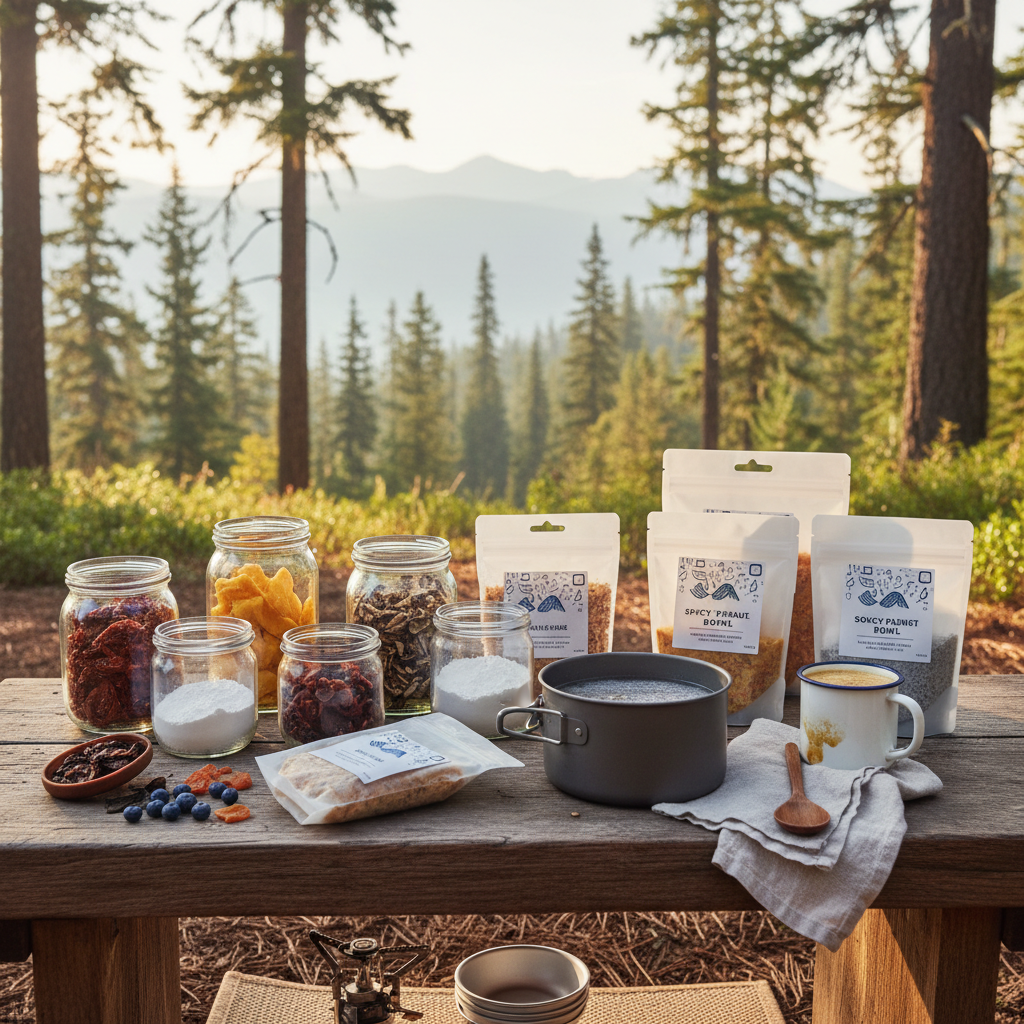
Now for the fun part: what can you actually cold-soak? The possibilities are surprisingly vast, extending far beyond plain oatmeal. Think texture, flavor, and variety. Here are some of Bucketlist Field Guide's tried-and-true favorites:
-
Breakfast Power Bowl: Instant oats as your base. Add dried fruit (raisins, cranberries, chopped apricots), nuts or seeds (pecans, chia seeds, flax seeds), and a pinch of cinnamon or cardamom. A scoop of powdered milk or protein powder can make it extra creamy and filling. Just add water the night before, and wake up to a ready-made breakfast.
-
Mediterranean Couscous Salad: Instant couscous forms the foundation. Mix in sun-dried tomatoes (oil-packed or rehydrated), crumbled dehydrated feta (yes, it exists!), dehydrated olives, a packet of olive oil, and some dried herbs like oregano and basil. For extra punch, add a small packet of lemon juice. SO good.
-
Peanut Noodle Delight: Ramen noodles (without the seasoning packet, or use your own low-sodium version) broken into pieces. Add a spoonful of peanut butter powder, a dash of soy sauce powder (or a small packet of liquid soy sauce), dried bell peppers, and a sprinkle of red pepper flakes for heat. Rehydrated freeze-dried chicken or textured vegetable protein (TVP) can be added for protein.
-
Spiced Lentil Soup/Dal: Red lentils (the quick-cooking kind), dried onions, dried carrots, curry powder, and a bouillon cube. This takes a bit longer to rehydrate but yields a surprisingly hearty and flavorful 'soup' or 'dal' consistency. Pair with some crackers or tortillas.
The key to successful cold-soaking meals lies in using ingredients that are quick to rehydrate and pack a flavorful punch. Look for instant or quick-cooking grains, freeze-dried vegetables and proteins, and powdered spices. Avoid anything that absolutely needs to be tender, like tough cuts of meat or certain root vegetables, as cold water simply won't achieve that result.
Cold-soaking isn't just a hack; it's a legitimate, delicious, and deeply practical way to eat well in the backcountry. It frees you from the tyranny of the stove, conserves fuel, and lets you spend more time enjoying the wild spaces you've hiked so hard to reach. So, on your next adventure, embrace the chill, prepare to be surprised, and savor the freedom of a truly no-cook meal.
<!-- seo-rank-booster:v1 -->Frequently Asked Questions
What is cold-soaking for backpacking?
Cold-soaking is a method for preparing no-cook backpacking meals by rehydrating food in cold or ambient temperature water over several hours. This popular ultralight technique eliminates the need for a stove, fuel, and pot, allowing for a lighter pack and greater trail efficiency.
What foods work best for no-cook backpacking meals?
Many foods are suitable for cold-soaking, including instant oats, ramen noodles, couscous, dehydrated beans, and instant mashed potatoes. The key is to choose precooked, dehydrated, or instant foods that rehydrate well without heat. Experimenting is the best way to expand your no-cook backpacking meal options.
Is cold-soaking food safe?
Yes, cold-soaking is generally safe when using precooked and dehydrated foods, as you are simply rehydrating them, not cooking from raw. To ensure safety, always use a clean, sealed container and potable water. This method is a reliable way to prepare no-cook backpacking meals on the trail.
How long do you need to cold-soak a meal?
The soaking time for no-cook backpacking meals depends on the food and water temperature, typically ranging from 60 minutes to 3 hours. Quick-rehydrating foods like ramen or couscous are often ready in about an hour, while heartier options may need longer to soften completely.
What is the best container for cold-soaking?
The best container for cold-soaking is a lightweight, durable, and leak-proof jar with a wide mouth for easy cleaning and eating. Many backpackers favor recycled plastic containers, like Talenti gelato or peanut butter jars, as they are effective and weigh very little. A secure, screw-on lid is essential to prevent spills in your pack.
Related on Bucketlist Field Guide
- Hyperlite Mountain Gear Unbound 40 — A perfect ultralight pack for carrying your minimalist no-cook meal setup.
- Grayl UltraPress Ti Purifier — Ensure you have clean, safe water for rehydrating your cold-soaked meals anywhere on the trail.
- Jetboil Stash Cooking System — Explore a top-tier ultralight cooking system to see how it compares to a no-cook strategy.
- Presidential Traverse — Learn about a classic, challenging hike where a lightweight, no-cook food strategy can make all the difference.
- Katabatic Gear Flex Quilt — Shave even more weight from your sleep system to complement your ultralight cooking (or no-cook) setup.