
Leave No Trace, 2026 Edition: The 7 Principles in Plain English
With record trail traffic, LNT matters more than ever. Here's the updated guidance every modern hiker should follow.
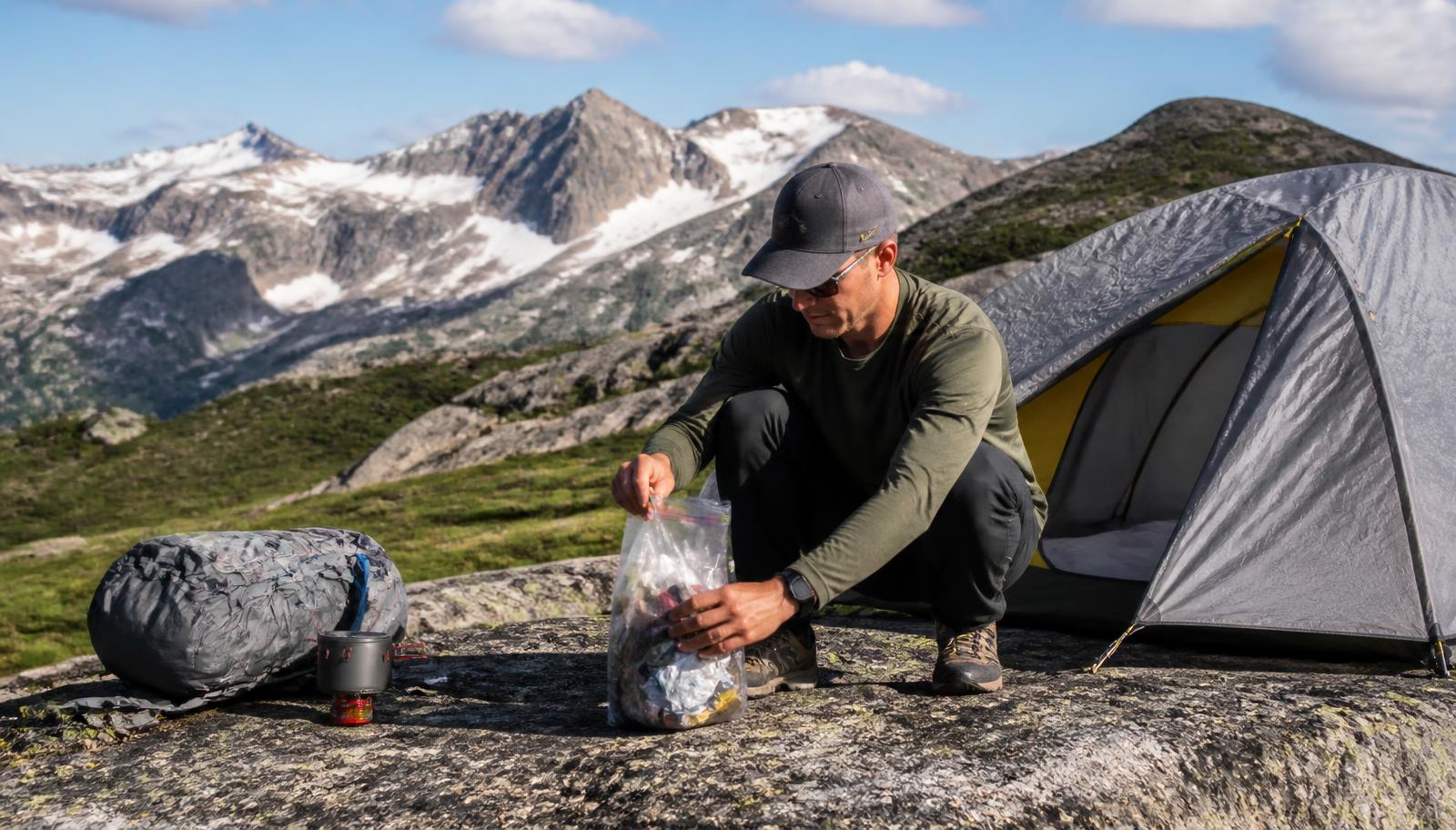
The 7 Principles of Leave No Trace were updated in 2024 with new guidance for high-use areas, social media, and wildlife. Here's the modern version, stripped of jargon.
-
PLAN AHEAD AND PREPARE — research regulations, weather, and group size limits. Overprepared hikers don't cause emergencies. Bring the right gear so you don't have to improvise (and damage) on trail.
-
TRAVEL AND CAMP ON DURABLE SURFACES — stay on the trail even when muddy (walk through, not around — that's how trails widen into ten-foot scars). Camp 200 ft from water on rock, gravel, or established sites.
-
DISPOSE OF WASTE PROPERLY — pack out ALL trash including food scraps and toilet paper. Bury human waste in a 6-inch cathole 200 ft from water/trail/camp. In high-alpine and desert environments, pack it out using a WAG bag.
-
LEAVE WHAT YOU FIND — no cairns, no carved initials, no picked wildflowers. Leave artifacts and natural objects for the next person to discover.
-
MINIMIZE CAMPFIRE IMPACTS — use a stove. If a fire is allowed and you must, use an existing ring, keep it small, burn only down-and-dead wood smaller than your wrist, drown it cold before you leave.
-
RESPECT WILDLIFE — 25 yards from most animals, 100 yards from bears and wolves. Never feed wildlife, including 'cute' chipmunks. Store food in approved containers.
-
BE CONSIDERATE OF OTHERS — yield uphill traffic, step off-trail on the downhill side for stock animals, keep voices and music low. Geotagging fragile spots is the new littering — share regions, not pins.
Bonus 2024 update: 'authority of the resource' framing — instead of citing rules, explain why a behavior harms the place. People comply with reasons better than commands.