
The Shakedown: Your Secret Weapon for a Perfect Backpacking Season
Don't let gear failures or discomfort derail your dream trip. Discover the shakedown hike, a crucial dress rehearsal that transforms good plans into great adventures.
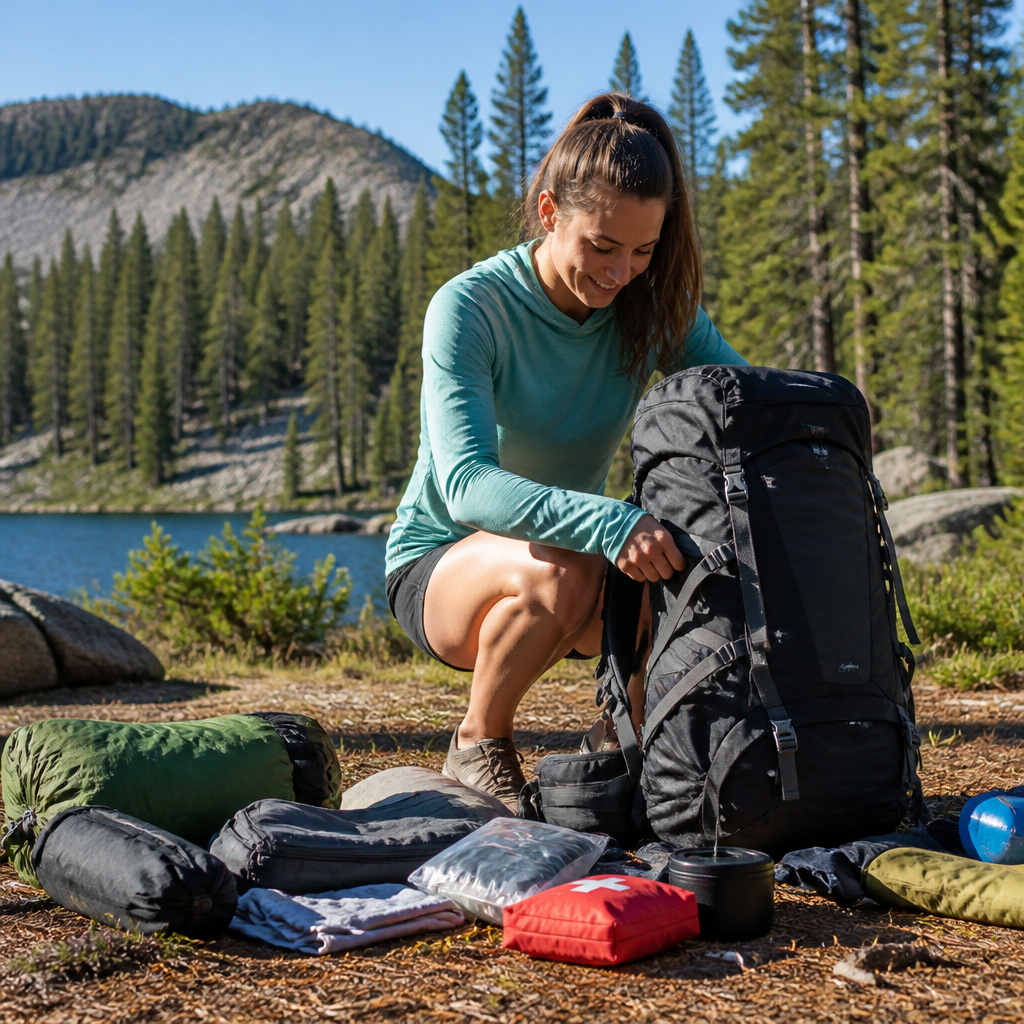
The season is turning. The sun lingers longer, the high-country trails are beginning to shed their snowy blankets, and the dog-eared maps on your coffee table are calling your name. You’ve spent months dreaming, planning, and acquiring gear for that big summer backpacking trip—be it a week in the Winds, a section of the PCT, or a long weekend in a national park. The excitement is palpable, but so is a quiet hum of anxiety. Will my new pack rub? Is my quilt warm enough? Did I budget the right amount of stove fuel?
So many of us pour our energy into the grand vision of the trip itself, only to be humbled by the small, preventable details on day one. Blisters, a poorly packed bag that sways with every step, a forgotten spork, a leaky water filter. These aren't just annoyances; they can be trip-enders. This is where the most valuable, and often overlooked, preseason ritual comes into play: the shakedown hike.
What Exactly is a Shakedown?
A shakedown hike is not just another day on the trail. It’s a full dress rehearsal for your multi-day backpacking trip. The goal is simple: to test you and your entire gear system in real-world conditions before you’re miles from the nearest trailhead. It’s typically a short, low-stakes overnight trip—one or two nights—on familiar terrain close to home. You pack and carry everything exactly as you would for your longer objective, from your tent and sleeping bag to the precise amount of food you plan to eat.
Think of it as a controlled experiment. You are the scientist, and your hypothesis is that your gear, food, and fitness are ready for the main event. The shakedown is where you gather the data to prove or disprove that hypothesis, with plenty of time to make adjustments back in civilization.
Dialing in Your Big Three
Your pack, shelter, and sleep system are the foundation of your backcountry comfort and safety. The shakedown is their ultimate test.
- The Pack: Loading a backpack in your living room is one thing; carrying it for six hours up a steady incline is another. A shakedown allows you to feel how your fully-loaded pack settles. Does the weight sit comfortably on your hips? Do the shoulder straps chafe? You can experiment with how you distribute weight—dense items close to your spine, lighter gear at the bottom and top—to find the most stable, comfortable configuration.
- The Shelter: Can you set up your new ultralight tent in the wind? Do all the stakes, guylines, and poles work as they should? Spending a night in it will reveal whether your single-wall shelter has condensation issues or if the spot you thought was flat is actually a subtle-but-maddening slope. There’s no substitute for sleeping in a shelter to know if it truly works for you.
- The Sleep System: That 20-degree quilt rating is an estimate, not a guarantee. An overnight shakedown exposes you to real nighttime temperatures. Were you cold? Too warm? Does your inflatable pad slowly deflate through the night? Finding out on a Friday night ten miles from your car is an inconvenience; finding out on the third night of a seven-day trek is a crisis.
The Kitchen Test & Beyond
Beyond the big three, the shakedown is where you audit every other piece of your kit. This is especially true for your kitchen. Cook the exact meals you plan to eat on your big trip. This test answers several questions at once. Is your meal plan satisfying and calorically dense enough? How much fuel does your stove actually use to boil water at a certain elevation and temperature? Is your pot-cozy-spork system efficient or just clumsy? You might discover that your famous backcountry ramen bomb needs more salt, or that you can get by with half the amount of fuel you thought you needed, saving precious weight.
Use this opportunity to test your water filter, headlamp, navigation tools, and first-aid kit. Make a mental (or physical) note of every single item you use. More importantly, make a note of everything you don’t use.
The Post-Hike Audit
The most important part of the shakedown happens after you get home. Unpack your bag and be ruthlessly honest with yourself. A great way to do this is to sort your gear into three piles:
- Used and Essential: Gear that performed well and was necessary (tent, sleeping bag, stove, water filter).
- Used but Could Be Improved: Gear that worked, but could be lighter, more efficient, or more comfortable (e.g., swapping a bulky fleece for a lighter puffy, a different spoon, etc.).
- Unused: Gear you never touched. Scrutinize this pile. Was it a critical safety item (first-aid, rain gear, map)? If so, it stays. But if it was a “just-in-case” luxury item like a camp chair, a book, or that fifth pair of socks, it’s a candidate for being left behind.
Answering these questions transforms you from an aspiring backpacker into a confident, efficient one. The shakedown isn't about passing or failing; it’s about learning. It’s an investment of one or two nights that pays dividends in comfort, safety, and enjoyment for your entire season. So before you head for those distant peaks, take a walk close to home. Your future self will thank you.
<!-- seo-rank-booster:v1 -->Frequently Asked Questions
What is the purpose of a shakedown hike?
The main purpose of a shakedown hike is to be a full dress rehearsal for a longer backpacking trip. It allows you to test your entire gear system—from your pack and shelter to your food and clothing—in real-world conditions. This controlled test helps you identify and fix potential issues before you are deep in the backcountry.
How long should a shakedown hike be?
A shakedown hike is typically a short, low-stakes trip, lasting just one or two nights. The goal is not to cover massive distances but to simulate the experience of a multi-day trek. This duration is sufficient to test your sleep system, cooking routine, and how your fully loaded pack feels over a day of hiking.
What should I pack for a shakedown hike?
You should pack everything exactly as you would for your main objective trip. This includes your tent, sleeping bag, pad, stove, fuel, all planned meals, water filter, and worn apparel. The point of the shakedown hike is to carry the full weight and use the exact gear to ensure your system is dialed in.
Why is a shakedown hike important for new gear?
A shakedown hike is crucial for testing new gear to prevent failures and discomfort on a major trip. It's your chance to discover if your new backpack causes chafing, if your sleeping pad has a slow leak, or if your tent is difficult to pitch in wind. Finding these problems on a short trip close to home is an inconvenience, not a crisis.
Related on Bucketlist Field Guide
- Katabatic Gear Flex Quilt — Your sleep system is a critical component to test on a shakedown hike.
- Therm-a-Rest NeoAir XLite NXT — Ensure your sleeping pad holds air and provides comfort on an overnight test run.
- Jetboil Stash Cooking System — A shakedown is the perfect time to test your kitchen setup and fuel consumption.
- Durston X-Mid Pro 2 — Practice setting up your shelter and see how it performs in real conditions before a big trip.
- Hoh River Trail to Blue Glacier — An example of a classic multi-night backpacking trip that demands a well-tested gear system.