
The Quiet Season's End: A Hiker's Guide to the Summer Rush
As trails transform from quiet paths to bustling summer highways, our preparation must also evolve. This is your guide to embracing the high season with grace, intention, and respect for the wild places we love.
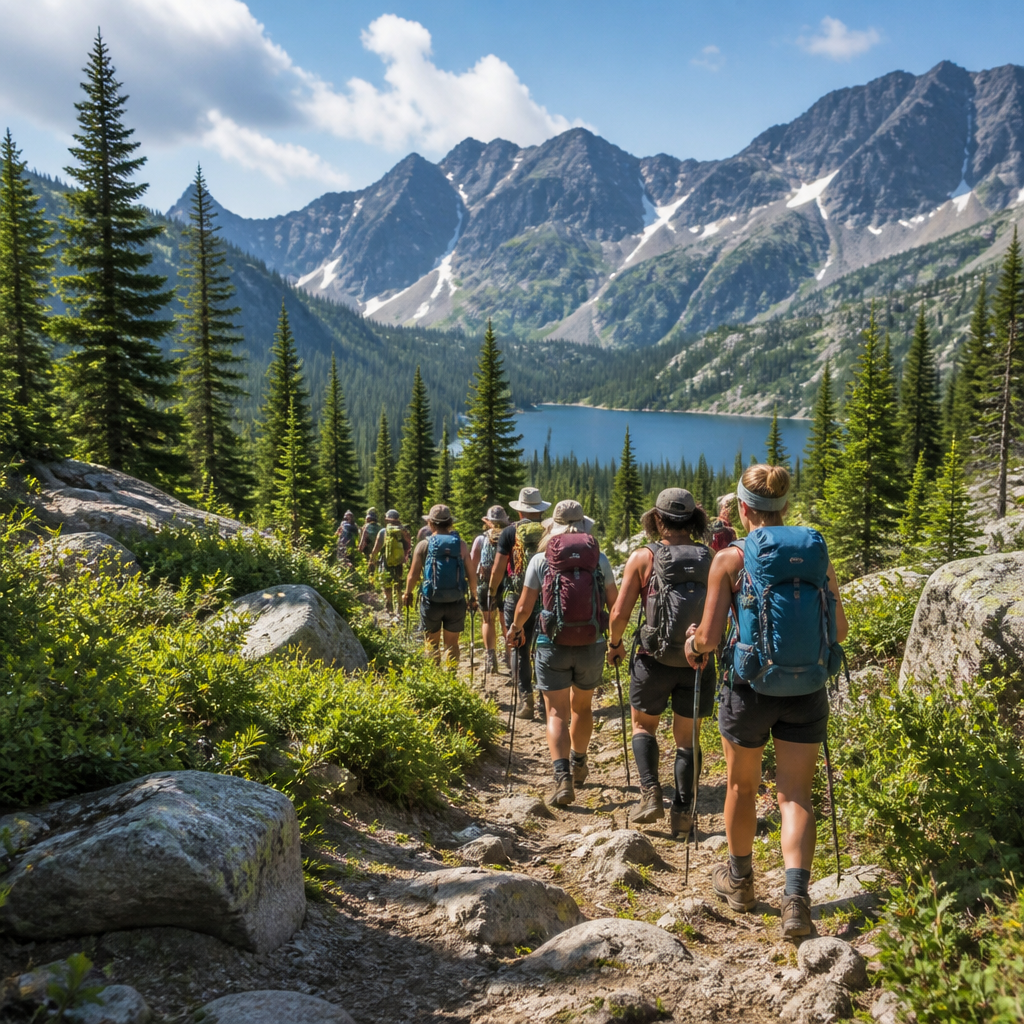
There’s a specific feeling in the air when spring makes its final bow and summer waits in the wings. The last patches of stubborn snow are melting in the high country, the trails are firming up, and the vibrant, almost electric green of new growth is everywhere. For months, we’ve had the trails largely to ourselves, sharing them with a few hardy souls. But we all feel it coming: the great, joyous, and sometimes overwhelming migration of humanity to the mountains.
The high season is upon us. And while it’s easy to lament the loss of solitude, the real challenge—and the real opportunity—is to shift our perspective. Instead of bracing for impact, we can prepare to be better stewards, more gracious companions, and more mindful adventurers. The coming season doesn't have to be about navigating crowds; it can be about embracing community and deepening our own practice.
Beyond the Squats: Recalibrating Your Trail Mindset
We spend the shoulder seasons physically preparing for bigger miles—strengthening our legs, building our cardio. But we often forget to train our minds. The mental shift from a solitary winter hike to a shared summer trail is significant. The silence you once found may now be punctuated by conversations and the laughter of other groups. The trail you once had to yourself may now require a dozen moments of yielding to others.
This is not a loss; it is a change. The key is to adjust your expectations before you even lock the car. Acknowledge that you are heading out to be part of a shared experience. Instead of seeking total isolation, seek connection—even if it’s just a friendly nod. Practice patience at the trailhead, at popular viewpoints, and on narrow sections of trail. See every interaction as a chance to model good etiquette. A warm “Hello!” or a “Have a great hike!” costs nothing and contributes to a positive atmosphere for everyone. This is the mental warm-up for a successful summer season.
The Gear Shakedown for a New Season
Your body and mind are ready, but what about your pack? The gear that saw you through crisp autumn days or chilly spring mornings needs a summer-specific audit. Now is the time to be brutally honest with your kit.
First, hydration. If you use a bladder, give it a deep clean to banish any lingering funk from its winter hibernation. Fill it and check all connections for slow leaks that could leave you dry hours from the car. The summer sun is unforgiving, and dehydration is a serious risk. Pack more water than you think you’ll need, and have a reliable filter or purification tablets as a backup.
Next, sun protection. That half-used tube of sunscreen from last year might have lost its efficacy. Start fresh. Find your favorite wide-brimmed hat and make sure your sunglasses are actually UVA/UVB protective. Sunburn isn't just uncomfortable; it's a drain on your body's resources.
Finally, revisit your first-aid kit and your rain gear. Refresh your supply of blister treatment—well-worn boots on hot feet can still cause friction. Add insect repellent and an anti-itch cream. And that rain jacket? Summer is the season of sudden, violent afternoon thunderstorms. Check that its Durable Water Repellent (DWR) coating is still beading water. If not, give it a wash and re-treat it. Being soaked and cold on a summer evening is a recipe for misery, if not hypothermia.
Leave No Trace in High Definition
The principles of Leave No Trace (LNT) are always important, but they become critically urgent during the high-use season. The impact of one person going off-trail is minimal; the impact of hundreds doing the same is catastrophic.
Plan Ahead and Prepare now means having a Plan B and a Plan C. If your primary trailhead is overflowing, don’t add to the problem by parking creatively. Move on to your backup plan. This is the single most effective way to distribute our collective impact.
Travel on Durable Surfaces means staying in the middle of the trail, even when it’s muddy. When a trail gets wide, it’s a sign that people are trying to avoid a small puddle, and in doing so, are killing the vegetation on either side. Walk through the mud; your boots will survive. This is especially true on switchbacks. Cutting them creates a new, steeper path that will erode with the next rainstorm.
Be Considerate of Other Visitors is the golden rule. Uphill hikers have the right of way. Keep your voice down so others can enjoy the natural sounds. If you’re listening to music, use headphones. No one else came to the woods to hear your playlist, no matter how good it is.
Finding Your Peace
Even with the best attitude, sometimes you just need some quiet. The good news is that solitude is still available, you just have to work a little harder for it. Become an early bird or a sunset chaser. A trail that is packed at 11 a.m. on a Saturday might be completely empty at 7 a.m. or 7 p.m. Explore midweek options if your schedule allows.
Better yet, fall in love with the “B-List” hikes. Every region has its famous, Instagram-worthy peaks, and they bear the brunt of the traffic. But there are countless other trails that offer stunning beauty without the crowds. Dig into your local guidebooks, explore different ranger districts, and take a chance on a place you’ve never heard of. You might just find your new favorite spot.
The end of the quiet season is a beginning. It’s the start of long days, warm rocks, and alpine wildflowers. By preparing our minds, our gear, and our ethics, we don’t just endure the summer rush—we elevate it, making the outdoors a more welcoming and sustainable place for everyone.