
The Quiet Magic of Off-Season Backpacking in National Parks
Discover the profound beauty and unparalleled solitude of America's national parks when the crowds recede. Off-season backpacking offers a unique, intimate connection with nature.
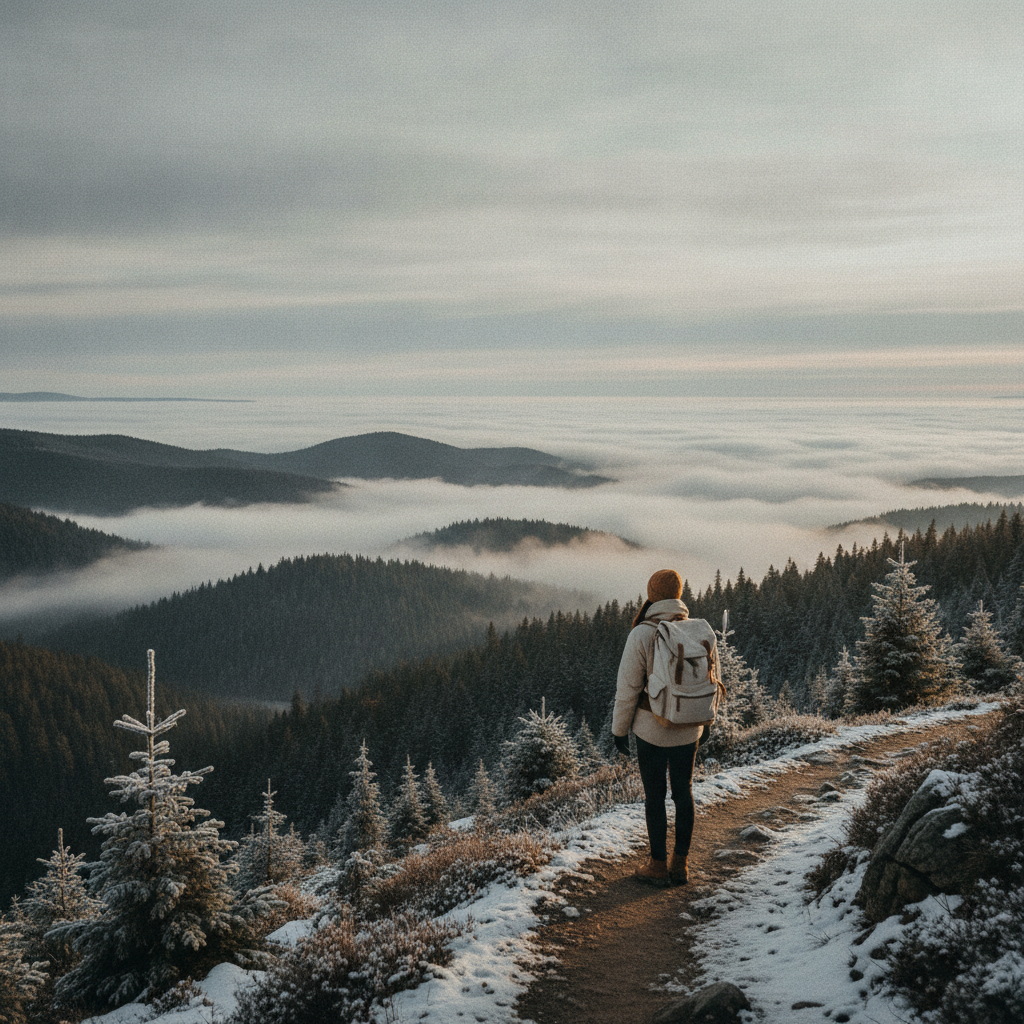
The Quiet Magic of Off-Season Backpacking in National Parks
As the golden hues of autumn begin to fade and the first whispers of winter chill the air, many outdoor enthusiasts pack away their gear, anticipating the thaw of spring. But for a select few, this transition marks the beginning of something truly special: off-season backpacking in our beloved national parks. At Bucketlist Field Guide, we believe that some of the most profound and authentic wilderness experiences occur when the masses retreat, leaving behind a tranquil landscape waiting to be rediscovered.
Embracing Solitude and Serenity
There's an undeniable allure to the peak season in national parks – the vibrant energy, the bustling trails, the shared excitement of discovery. Yet, it often comes with a trade-off: crowded campgrounds, booked permits, and viewpoints teeming with selfie sticks. Backpacking in the off-season, however, offers a stark, beautiful contrast. Imagine standing at an iconic overlook in Zion, Yosemite, or Olympic, and hearing nothing but the wind whispering through ancient pines or the distant call of a hawk. That dream becomes a reality when you choose November over July, or March over May.
The solitude isn't just about avoiding crowds; it's about deepening your connection with the environment. Without the constant chatter and human presence, your senses sharpen. The subtle rustle of leaves underfoot, the intricate patterns of frost on a fallen log, the stark silhouette of a deer against a winter twilight – these details, often lost in the summer bustle, come into sharp focus. This quiet communion fosters a unique sense of peace and introspection, allowing the grandeur of these protected lands to truly sink in, unimpeded.
The Unique Challenges and Rewards of a Different Season
Of course, off-season backpacking isn't without its challenges. Weather can be unpredictable, ranging from crisp, clear days to sudden snowfalls or biting winds. Trails might be less maintained, and services within and around the parks can be limited. This requires a higher level of preparedness, meticulously planned gear, and a solid understanding of winter camping techniques (or whatever the specific challenges of your chosen off-season might be).
But these challenges are precisely what make the rewards so much sweeter. Successfully navigating a snow-dusted trail, melting snow for water, or waking up to a pristine, untouched winter wonderland outside your tent fosters a deep sense of accomplishment and resilience. The landscapes themselves transform, offering completely different vistas than their summer counterparts. Think of the frosted sentinels of the Tetons, the ethereal mists of the Great Smoky Mountains, or the stark, sculptural beauty of Bryce Canyon dusted with snow. These are scenes that few ever witness, making your experience truly exclusive and unforgettable.
Moreover, wildlife viewing often improves. Animals, less disturbed by human presence, may be more active and visible. Tracking fresh prints in the snow or spotting elk grazing peacefully in an empty meadow becomes a common, cherished occurrence. The quiet makes you part of their world, rather than an observer peering in.
Planning Your Off-Season Escape
Embarking on an off-season backpacking trip requires careful planning and respect for nature's formidable power. Research is paramount: check park conditions, road closures, and permit requirements well in advance. Invest in quality cold-weather gear, understand true layering, and practice your navigation skills. Always inform someone of your itinerary, and be prepared to turn back if conditions become unsafe.
Consider parks renowned for their off-season beauty and accessibility. Death Valley in the winter offers moderate temperatures and stunning desert hikes. Big Bend boasts cooler canyon treks and dramatic solitude. Even traditionally snowy parks like Yosemite or Rocky Mountain National Park offer incredible opportunities for those with the right gear and experience, often accessible on snowshoes or skis.
At Bucketlist Field Guide, we encourage you to step outside the conventional calendar and discover the profound, quiet magic that awaits in our national parks during their quieter seasons. It's an opportunity to experience nature unplugged, to challenge yourself, and to forge a deeper, more intimate connection with the wild heart of America. The trails are waiting, hushed and inviting, ready to reveal their less-seen splendors to those brave enough to venture forth.
<!-- seo-rank-booster:v1 -->Frequently Asked Questions
### Why is off-season backpacking a good idea?
Off-season backpacking allows you to experience popular national parks with unparalleled solitude and quiet. It provides a more intimate connection with nature, offers unique scenic beauty like snow-dusted landscapes, and can present better opportunities for wildlife viewing away from summer crowds.
### What are the best national parks for winter backpacking?
Many parks offer fantastic off-season backpacking. Desert parks like Death Valley and Big Bend have milder winter temperatures ideal for hiking. For those prepared for snow, parks like Yosemite, Rocky Mountain National Park, and Olympic National Park transform into stunning, quiet winter wonderlands.
### What special gear is needed for off-season backpacking?
Proper gear is crucial for safety and comfort during off-season backpacking. This includes a robust layering system with a waterproof shell, a four-season tent, a warm sleeping bag or quilt, and an insulated sleeping pad. Navigation tools and a satellite communicator are also highly recommended due to unpredictable conditions and fewer people on the trails.
### Is off-season backpacking dangerous?
It presents more challenges than summer hiking, which requires a higher level of preparation. Dangers include unpredictable weather, avalanches in snowy terrain, and limited park services. However, with thorough planning, the right gear, and sound decision-making, off-season backpacking can be a safe and incredibly rewarding experience.
Related on Bucketlist Field Guide
- Arc'teryx Beta AR Jacket — A reliable hardshell is non-negotiable for the unpredictable weather common in off-season backpacking.
- Therm-a-Rest NeoAir XLite NXT — Staying warm from the cold ground is critical, and a high-quality insulated sleeping pad is a key part of your sleep system.
- Katabatic Gear Flex Quilt — Learn about a versatile and popular quilt option, essential for staying warm on cold off-season nights.
- Durston X-Mid Pro 2 — Your shelter must withstand harsher conditions, making a storm-worthy tent like the X-Mid a prime consideration.
- ZOLEO Satellite Communicator — With fewer people on the trail, a satellite communicator is a vital piece of safety gear for any remote trip.