
The Pre-Season Shakedown: Dialing In Your Systems for a Summer of Adventure
Summer's big adventures are calling, but before you answer, it's time for a pre-season shakedown. Fine-tune your gear, fitness, and skills now for smoother, safer, and more joyful days on the trail.
Building or refining your kit? See our complete Ultralight Backpacking Gear Guide (2026) — premium picks paired with budget Amazon alternatives for every category.
The light is lingering longer in the evenings, the air has lost its biting edge, and the pull of the high country is becoming undeniable. It’s that magical time of year when dream trips transition from hazy fantasies into tangible dates on the calendar. Whether you're planning a week-long thru-hike, a series of challenging peak-bagging weekends, or your first multi-day paddling trip, the anticipation is a powerful force. But between the dreaming and the doing lies a crucial, often overlooked, step: the pre-season shakedown.
We often think of a “shakedown hike” as a simple gear check, a chance to make sure our pack isn’t absurdly heavy. But a truly effective shakedown is so much more. It’s a holistic rehearsal—a chance to audit not just your gear, but your body, your skills, and your nutrition. It’s about dialing in your systems so that when you’re finally standing at that remote trailhead, you can move with confidence and focus on the wonder around you, not the blister forming on your heel or the nagging question of whether you packed enough fuel.
The Gear Audit: A Conversation with Your Kit
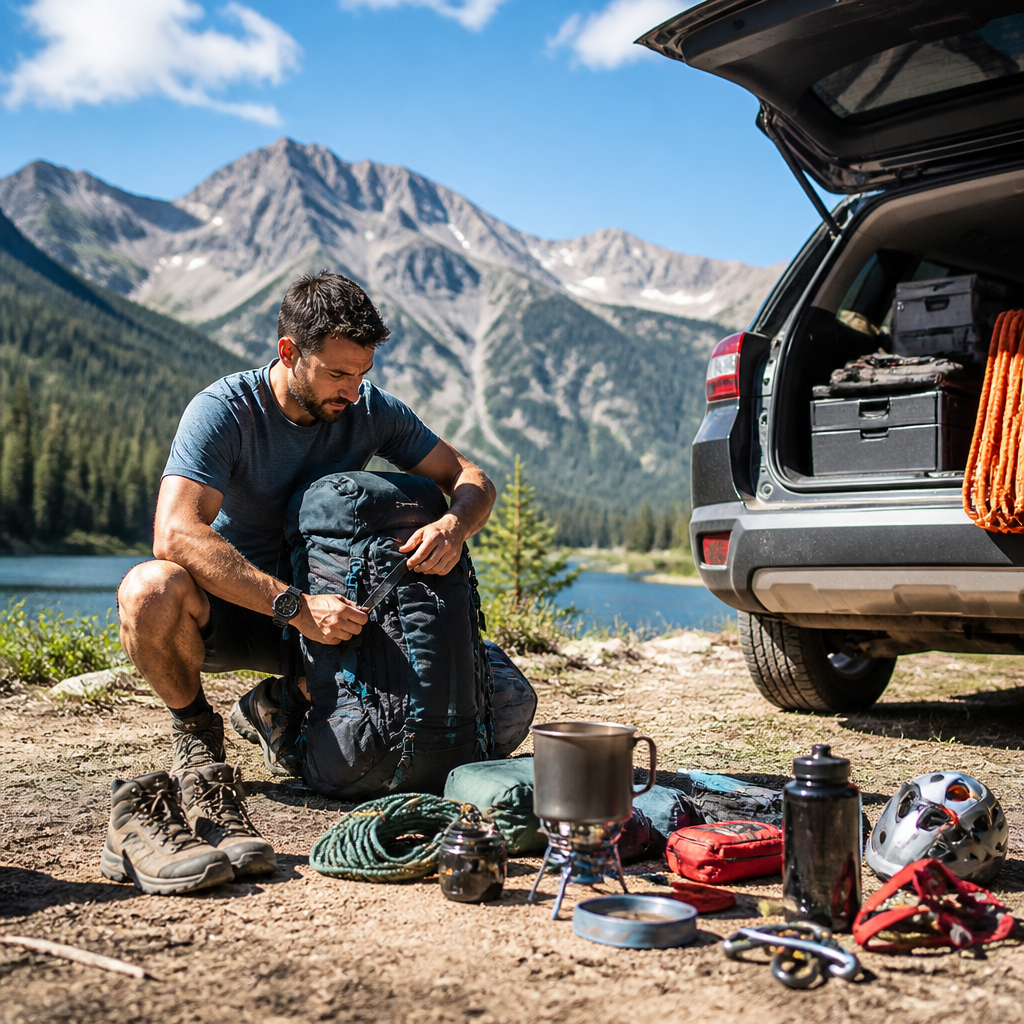
Your gear is your partner in the backcountry. This is the time to check in and see how that partnership is holding up. Drag everything out of the closet—the tent, the sleeping bag, the stove, the pack. Don’t just look at it; engage with it.
Set up your tent in the backyard or a local park. Is the motion still fluid? Check the seams and zippers, and re-apply seam sealer if needed. Inflate your sleeping pad and leave it for a few hours (or overnight) to find those sneaky slow leaks that are impossible to locate in the dark.
Fire up your stove. Does it sputter? Does the fuel canister connect smoothly? Boil some water. This isn’t just about function; it’s about re-familiarizing yourself with the process. Dig into your first-aid kit. Are your bandages still sticky? Has your antiseptic ointment expired? Replace what’s old and customize it based on last season’s lessons. Maybe you needed more blister treatment or wish you’d had an antihistamine. Now is the time to add it.
Finally, pack your backpack with everything you’d take on a typical two-night trip. Put it on. Walk around the house. How does it feel? This process isn’t about creating a spreadsheet; it’s a tactile conversation with your equipment that replaces trailside anxiety with quiet competence.
Honoring the Engine: Your Body and Mind
No amount of ultralight gear can make up for a body that isn’t ready for the demands of the trail. Summer training doesn't have to mean endless, joyless hours at the gym. Instead, focus on functional fitness that mimics the movements you’ll be doing in the wild.
Incorporate loaded pack training into your routine. Find a local hill or even a stadium staircase and do repeats wearing your pack, gradually increasing the weight. This strengthens not just your legs and lungs, but also the crucial stabilizer muscles in your core and shoulders. Single-leg exercises like lunges and step-ups build the kind of unilateral strength and balance that prevents stumbles on rocky, uneven terrain. Don’t forget mobility—your hips, ankles, and shoulders will thank you after long days of repetitive motion.
This is also a mental shakedown. The outdoors will inevitably present you with small problems. A sudden rainstorm, a tricky water crossing, a confusing trail junction. Use this pre-season period to brush up on your problem-solving skills. Pull out your map and compass and practice taking a bearing in a nearby park. Review basic knots. The goal isn’t to eliminate all challenges, but to build the mental resilience to meet them calmly.
Rehearsing the Rhythm: Skills and Nutrition
Your systems are truly dialed when your gear, body, and trail craft all work in seamless harmony. This is the rhythm of the trail, and you can practice it long before your big trip.
Take your shakedown a step further with a local overnighter or even just a long day-hike where you pretend you’re on a multi-day journey. Cook the meals you plan to eat on your trip. That new dehydrated meal might sound delicious, but how does it actually sit in your stomach after a 10-mile hike? Are you really going to eat three of those super-dense energy bars in a day? Experimenting with your trail nutrition now helps you understand your body’s real-world caloric needs and preferences, preventing the dreaded “food fatigue” that can plague longer trips.
During this rehearsal, pay attention to your workflow. How long does it take you to filter water? Can you access your snacks and map without taking your pack off? Practice setting up your camp kitchen and your sleep system. The more you automate these small tasks, the more mental and physical energy you free up to simply exist and appreciate where you are.
This deep, intentional preparation isn’t about stripping the spontaneity from adventure. It’s about building a foundation of confidence that allows for true freedom in the wild. When your systems are dialed, you're no longer wrestling with your gear or second-guessing your abilities. You are simply present, moving gracefully through the landscape, ready to meet the summer and all of the beauty it holds.
<!-- seo-rank-booster:v1 -->Frequently Asked Questions
What is a pre-season shakedown?
A pre-season shakedown is a comprehensive preparation process for outdoor adventures, involving fine-tuning your gear, fitness, skills, and nutrition before embarking on trips. It's more than just a gear check; it's a holistic rehearsal to ensure smooth, safe, and enjoyable days on the trail, preventing problems like blisters or missing essential items.
Why is a pre-season shakedown important?
A pre-season shakedown is crucial because it allows you to identify and address potential issues with your equipment, test your physical readiness, and refresh your backcountry skills before your big adventure. By dialing in your systems beforehand, you can build confidence, reduce trailside anxiety, and focus on the experience rather than unexpected problems, leading to a much more pleasant and safer trip.
How often should I do a pre-season shakedown?
Ideally, you should conduct a pre-season shakedown at the beginning of each new outdoor adventure season, or before any major, multi-day trip. Even if you're a seasoned adventurer, gear can wear out, skills can get rusty, and your body might need different conditioning each year. Consistent shakedowns ensure you're always prepared for the demands of the wilderness.
What are the key components of a comprehensive shakedown?
A comprehensive shakedown involves several key components: a thorough gear audit to check the functionality and condition of all your equipment, a fitness assessment focusing on functional strength and endurance, a review of essential backcountry skills like navigation and first aid, and planning your nutrition and hydration systems. Addressing these areas collectively helps you avoid common pitfalls and ensures you are fully ready for your upcoming adventures.
Related on Bucketlist Field Guide
- Jetboil Stash Cooking System — Elevate your camp kitchen efficiency, perfect for testing during your gear shakedown.
- Zpacks Duplex Zip — Consider this ultralight tent as you audit your shelter system for weight and functionality.
- Therm-a-Rest NeoAir XLite NXT — Essential sleeping pad for comfort and warmth, which you can check for leaks during your gear shakedown.
- HOKA Speedgoat 5 — Ensure your footwear is trail-ready and broken in before hitting the arduous trails.
- Zpacks Arc Haul Ultra 60L — Evaluate if this lightweight pack meets your volume and comfort needs during a loaded pack test.