
The Art of the Shoulder Season: Finding Solitude Before the Summer Rush
Escape the crowds and discover the magic of the mountains in transition. Our guide to mastering the shoulder season covers the essential gear, LNT ethics, and planning secrets for your best adventures yet.
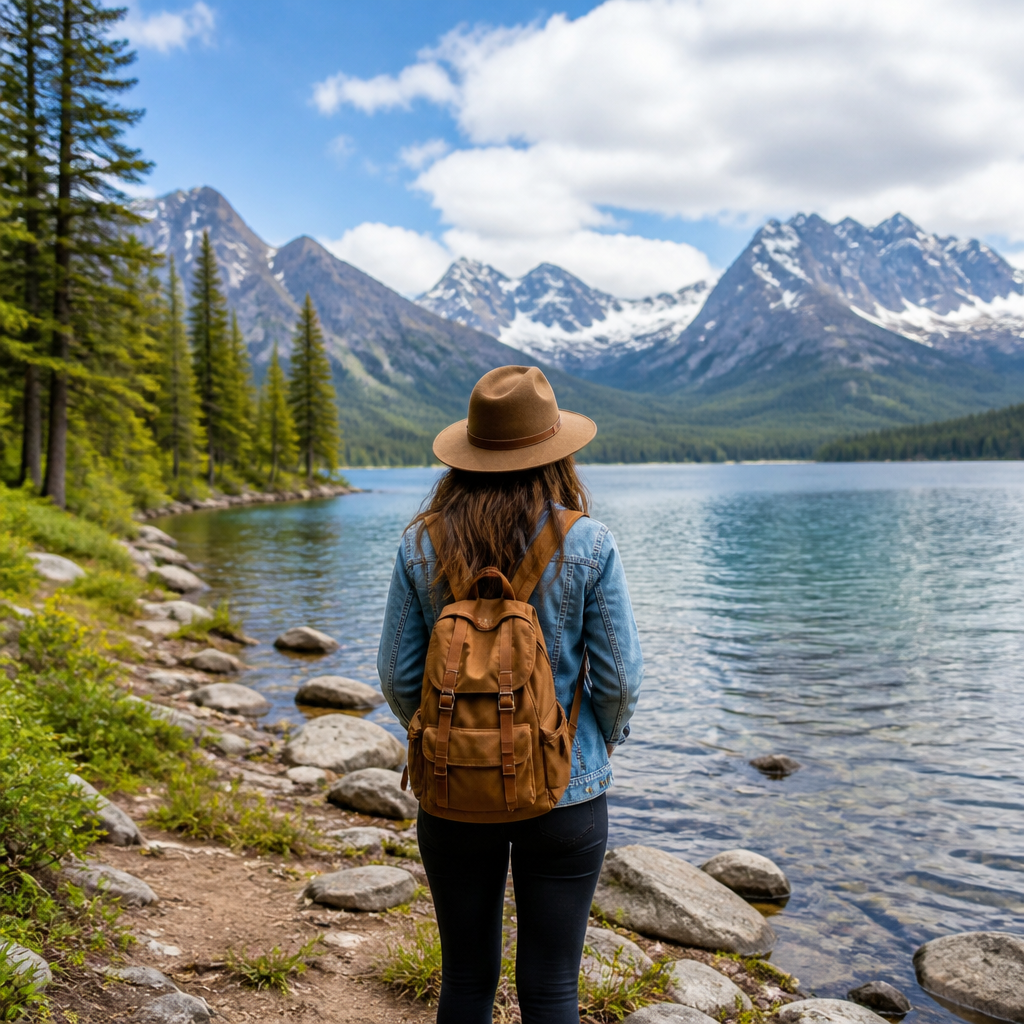
There’s a quiet magic to the mountains in late spring. It’s a time of dramatic transition, a season caught between seasons, when the last of winter’s snow stubbornly clings to shaded slopes while the first determined wildflowers push through the thawing earth. This is the shoulder season—that perfect window after the thaw and before the full-blown summer rush—and for those willing to embrace its unique challenges, it offers rewards that peak season simply can’t match.
For years, I chased perfect, sun-drenched summer days, jostling for space at popular trailheads and campsites. But eventually, I discovered the profound peace of the unpopular month. I learned that the real adventure wasn’t in following the crowds, but in heading out when most people were still just thinking about it. This is your guide to doing the same.
The Allure of the Uncrowded Trail
The most obvious benefit of a shoulder season trip is solitude. The trail you’ll have to share with dozens in July is often blissfully empty in May. The silence is deeper, broken only by the sound of snowmelt trickling underfoot or the call of a bird returning to its summer home. This quiet allows for a more intimate connection with the landscape. You’re not just a visitor; you feel like a privileged witness to the world waking up.
The scenery itself is more dynamic. You might start a hike in a green valley, ascend through muddy trails, and find yourself navigating hard-packed snowfields by midday. The light is different, too—often softer and more dramatic as weather systems move through. It’s a time to see the bones of the landscape before summer foliage cloaks it all in green. These are the trips that stick with you, the ones that feel truly wild and earned.
Gearing Up for Four Seasons in a Day
Embracing the shoulder season means being prepared for anything. The saying “cotton kills” is never more true than when you’re dealing with cold rain, wet snow, and sweat all in the same day. Your gear is your lifeline, and smart choices are non-negotiable.
Layering is Everything: Your clothing system needs to be adaptable. Start with a moisture-wicking merino wool or synthetic base layer. Add a fleece or puffy jacket for your insulating mid-layer. Finally, a waterproof and windproof hard shell is absolutely critical for staying dry and warm when the weather inevitably turns. Always pack rain pants, even if the forecast looks clear.
Happy Feet: Forget the lightweight trail runners for now. Waterproof hiking boots are your best friends on muddy, slushy, and snowy trails. More importantly, bring traction. A pair of microspikes takes up minimal space in your pack but provides game-changing grip on icy traverses and steep, snowy slopes. They can turn a treacherous, impassable section of trail into a confident stroll.
Sleep Warm: Just because the days are getting longer doesn’t mean the nights are warm. Far from it. High-elevation temperatures can still drop well below freezing. Check the forecast, but err on the side of caution with a sleeping bag rated at least 10-15 degrees colder than you expect. An insulated sleeping pad (look for an R-value of 4 or higher) is just as important, as it prevents the cold ground from sucking away your body heat.
The Shoulder Season LNT Ethic
Traveling through this fragile, changing landscape requires an even more mindful approach to Leave No Trace principles.
Walk Through the Mud: When you encounter a muddy patch on the trail—and you will—the correct LNT practice is to walk right through the middle of it. Walking around the mud widens the trail, damages trailside vegetation, and creates a bigger erosion problem for everyone. Embrace the mud; it’s part of the experience.
Respect the Snow: Be wary of crossing snowfields, especially later in the day when the sun has softened them. What was firm in the morning can become a quad-burning, post-holing nightmare in the afternoon. Be especially careful around streams and creeks, as thin “snow bridges” can collapse under your weight.
Give Wildlife Space: Animals are emerging from a long winter, often hungry and with young. This is a vulnerable time for them. Keep a respectful distance, never feed wildlife, and store your food and scented items securely in a bear canister or a proper bear hang.
Planning Your Perfect Early-Season Escape
Spontaneity is great, but a successful shoulder season trip is built on a foundation of solid research.
Become a Condition Reporter: Your most important planning tool is up-to-the-minute information. Trip reports from last summer are useless. Look for recent reports on websites like AllTrails, Gaia GPS, or local hiking forums. Most importantly, call the local ranger station. Rangers have the most current information on road closures, snow levels, and trail conditions. Be polite and specific with your questions.
Start Small and Be Flexible: Don’t make a 50-mile epic your first trip of the year. Choose a shorter, more accessible objective to test your gear, your systems, and your early-season fitness. And always have a Plan B and C. If the road to your primary trailhead is gated or the snow is deeper than you’re comfortable with, the ability to pivot to a different, lower-elevation plan is a mark of a seasoned adventurer.
Ultimately, exploring the shoulder season is about more than just beating the crowds. It’s an invitation to engage with the mountains on a deeper level, to appreciate their raw power and delicate beauty. It requires more preparation and a little more grit, but the rewards—the solitude, the silence, the profound sense of being in a world reborn—are worth every muddy step.
<!-- seo-rank-booster:v1 -->Frequently Asked Questions
What is the shoulder season for hiking?
Shoulder season is the transitional period between peak and off-peak seasons, typically late spring (after the thaw, before summer) and mid-autumn (after the summer crowds, before winter). It's a time of dynamic weather and fewer people on the trails, offering a unique opportunity for solitude in the mountains.
What are the benefits of shoulder season hiking?
The primary benefit is solitude; popular trails are often empty, allowing for a more intimate connection with nature. The scenery is also more dramatic, with a mix of snow and emerging greenery, and the light is often softer, creating stunning photographic opportunities. These trips often feel more wild and rewarding.
What essential gear do you need for shoulder season hiking?
Because you can experience four seasons in one day, your gear is critical. Key items include a waterproof hard shell, rain pants, a moisture-wicking base layer, and an insulating mid-layer like fleece. Waterproof boots and traction devices like microspikes are also essential for navigating muddy, icy, or snowy terrain.
How should you handle muddy trails during the shoulder season?
According to Leave No Trace ethics, you should walk directly through the middle of muddy sections on the trail. Walking around the mud damages fragile vegetation, widens the trail, and worsens erosion. Embracing the mud is part of the shoulder season experience and helps protect the trail for future hikers.
Related on Bucketlist Field Guide
- Harding Icefield Trail — A challenging hike that takes you to the edge of a massive icefield, a perfect example of a trail with shoulder season conditions.
- The Iceline Trail — This trail lives up to its name, offering incredible glacier views and high-alpine terrain that often holds snow late into the spring.
- Presidential Traverse — Known for its severe and unpredictable weather, this iconic traverse is a serious undertaking where shoulder season skills are put to the test.
- Arc'teryx Beta AR Jacket — The article stresses a waterproof hard shell, and this jacket is a top-tier example of the critical gear needed for changing weather.
- Therm-a-Rest NeoAir XLite NXT — A high R-value sleeping pad is crucial for cold nights, and this model is a lightweight, packable option for staying warm.