
How to Stop Tent Condensation: A 2026 Field Guide
Tired of waking up to a wet sleeping bag? Our guide explains why tent condensation happens and gives you step-by-step methods and gear choices to stay dry on the trail.
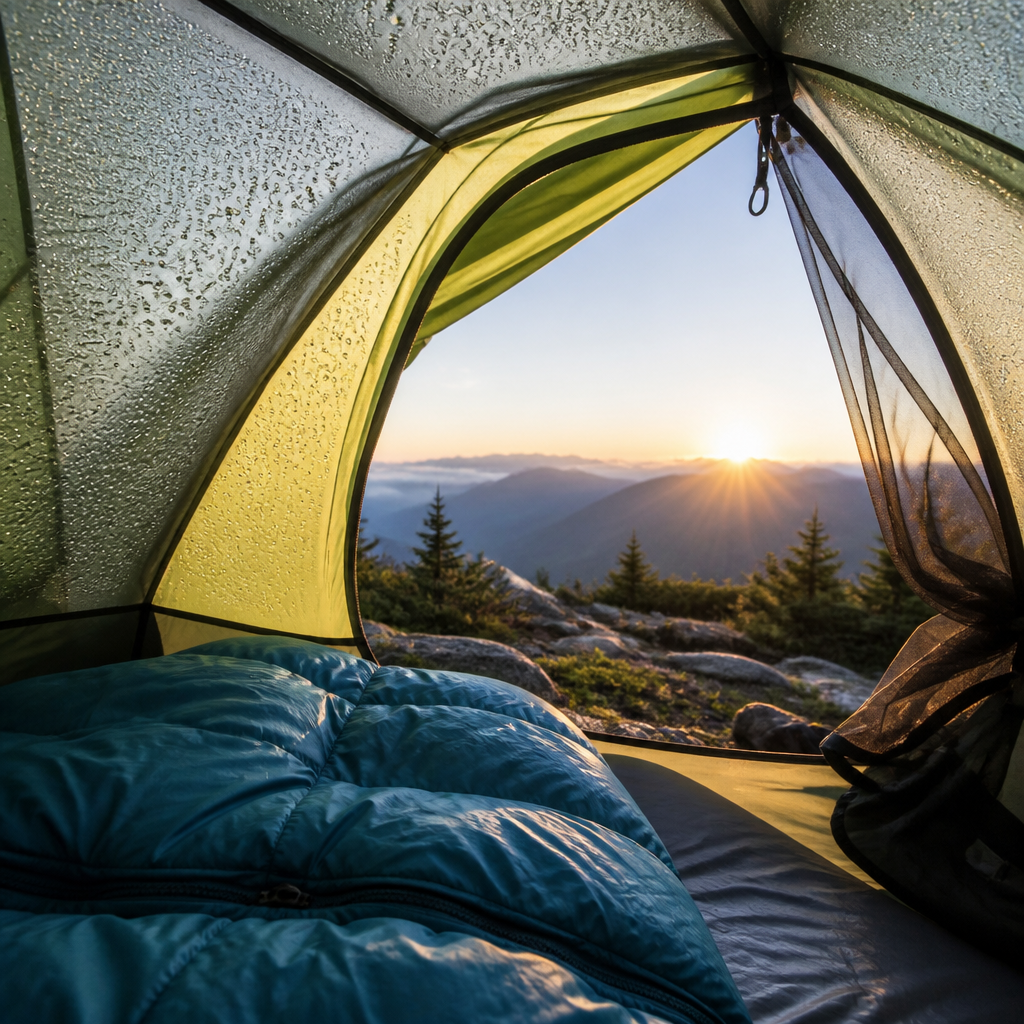
Waking up to a random drip on your forehead isn't the alpine wake-up call you dreamed of. Your sleeping bag feels damp, the inside of your tent is slick with moisture, and you're wondering if your expensive shelter is failing you. Spoiler: it's probably not a leak.
It’s condensation, the silent sapper of backcountry comfort. It can soak your down sleeping bag, add pounds of water weight to your pack, and just generally make for a miserable morning. But it's not an unsolvable problem. With a little science and some smart trail craft, you can banish the damp and wake up warm and dry. This is our complete guide to winning the war on tent condensation.
The Quick Fix (TL;DR) Condensation is caused by warm, moist air (from your breath, wet gear) hitting the cold surface of your tent fly. To stop it: 1) Pick a dry, breezy campsite, not a damp valley floor. 2) Maximize ventilation by opening vents and staking your fly taut. 3) Keep wet gear outside or in your vestibule. 4) Wipe down the interior with a pack towel in the morning before the sun hits and turns moisture into a personal rain shower.
Why Your Tent Gets Wet on the Inside
Before we can fix it, we need to understand the 'why'. Condensation is simple physics. Think of a cold can of soda on a hot day—water beads up on the outside. The same thing happens in your tent, but in reverse.
- You are the source: A single person can exhale up to a liter of water vapor overnight. That’s a lot of moisture.
- The environment contributes: Damp ground, recent rain, and high humidity all add water vapor to the air inside your tent.
- Temperature difference is the trigger: As the outside temperature drops overnight, your tent's rainfly gets cold. When the warm, moist air inside your tent (warmed by your body heat and loaded with vapor from your breath) touches that cold fly, it rapidly cools. Cold air can't hold as much moisture as warm air, so the excess water vapor turns back into liquid water droplets. Voilà: condensation.
Now, let's get proactive. Here are the four key steps to managing and preventing it.
1. Site Selection is Your First Defense
Where you pitch your tent is the single most important factor. A good campsite can do 90% of the work for you.
Seek a Natural Breeze
Even a gentle, consistent breeze is your best friend. It helps carry moisture away from your tent's surface before it can build up. Look for slightly more exposed spots—on a small rise, a gentle saddle, or a beach—rather than deeply sheltered hollows.
Avoid Moisture Traps
Steer clear of pitching your tent right next to streams, lakes, or in marshy meadows. The air in these areas is already saturated with moisture. Likewise, avoid deep depressions or valley floors where cold, damp air settles at night. Camping under a canopy of trees can sometimes help, as the trees reduce the radiative cooling of your fly, keeping its surface temperature slightly higher.
Choose Dry Ground
Pitch on dry ground like dirt, pine duff, or rock instead of lush green grass. Greenery transpires moisture overnight, adding to the humidity right under your tent floor.
2. Master Your Tent's Ventilation
Every tent is designed with ventilation features. Your job is to use them to their full potential to create airflow.
Open Every Vent
This sounds obvious, but it's the most common mistake. Don't be afraid of a little cold air. Open the high vents on your rainfly (warm, moist air rises) and any low vents. If your tent has a two-way zipper on the door, crack the top few inches. The goal is to create a path for air to flow in low and exit high, carrying your breath's moisture with it.
Get a Taut Pitch
Don't be lazy with your guylines. A tight, taut pitch is critical. It maximizes the space between your inner tent mesh and your outer rainfly. When the fly sags and touches the inner mesh, condensation can drip or soak through directly onto you and your gear. Stake out every single point, including the mid-panel guylines that pull the fly away from the body.
Use the Vestibule Wisely
Keep your vestibule doors at least partially open, especially if the weather is calm and dry. If it's raining, you might need to close them, but try to orient your tent so any breeze helps push air through the vestibule openings.
3. Manage Moisture Inside Your Tent
Don't bring the enemy inside. Your breath is unavoidable, but everything else is manageable.
No Wet Gear Inside
Your rain-soaked pack, muddy boots, and wet jacket have no place inside your sleeping area. Leave them under the vestibule. If you must bring something damp inside (like socks you're trying to dry with body heat), put it in a waterproof dry sack. This contains the moisture instead of letting it evaporate into the tent's microclimate.
Avoid Cooking in the Vestibule
While tempting in a storm, boiling water for your dehydrated meal releases a massive amount of steam right where you don't want it. Do it a safe distance from your tent. If you absolutely must cook in your vestibule due to extreme weather, ensure you have maximum possible ventilation to let the steam escape immediately.
4. The Morning Wipe-Down Routine
Even with perfect technique, some condensation is inevitable in certain conditions (cold, still, humid nights). The final step is dealing with it before it becomes a problem.
Act Fast
Before you pack up, and definitely before the sun hits your tent (which can cause the condensation to 'rain' down), grab a small, super-absorbent pack towel and wipe down the entire interior of your rainfly. Wring it out well away from your tent. This removes the moisture before it can drip on your inner tent or sleeping bag.
Air It Out
If you have a few minutes of sun and a breeze, take the fly off and drape it over a bush or tree branch to dry completely before you stuff it. Packing a wet tent adds weight and promotes mildew. If you have to pack it wet, make it the first thing you take out to dry during your lunch break or as soon as you get to your next camp.
Gear That Helps Fight Condensation
While technique is king, the right gear can make your life much easier.
Best All-Around: Double-Wall Tents
Most backpacking tents (from brands like Big Agnes, MSR, and NEMO) are 'double-wall' designs. They have a mesh inner tent and a separate waterproof rainfly. This design is inherently better at managing condensation because the moisture forms on the inside of the fly, physically separated from you by the mesh inner. It drips harmlessly to the ground outside your living space.
Best for Ventilation: Tents with High Vents & Spacing
Look for tents that have well-designed, strut-supported high vents that can remain open even in the rain. Models from Tarptent, like the Stratospire Li, are legendary for their cathedral ceilings and excellent cross-ventilation, which dramatically reduces condensation buildup. Similarly, the Hilleberg tunnel tents are masters of airflow when pitched correctly into the wind.
The Essential Tool: A Microfiber Pack Towel
The morning wipe-down is non-negotiable, and you need the right tool. Don't use your camp shirt. A dedicated, lightweight, and super-absorbent towel is a must-have. The PackTowl Luxe or Sea to Summit Tek Towel are perfect. Get a small or medium size; it's all you need to handle even the soggiest morning.
Common Mistakes to Avoid
- Zipping Everything Up Tight: Sealing yourself in a nylon cocoon is the fastest way to get soaked. Prioritize ventilation over a tiny bit of extra warmth.
- Camping in a Ditch: Picking the most sheltered, lowest spot guarantees you'll be sleeping in the coldest, dampest air.
- A Saggy Pitch: A loose, saggy rainfly that touches your inner tent is a direct conduit for moisture.
- Forgetting to Wipe Down: Ignoring a wet fly in the morning and stuffing it means you're just carrying water weight and setting yourself up for a clammy tent the next night.
Condensation is a fact of life in the backcountry, but it doesn't have to ruin your trip. By choosing your campsite carefully, using your tent's features correctly, and developing a smart morning routine, you can keep the drips at bay and enjoy a dryer, more comfortable adventure.
FAQ
Is condensation a sign that my tent is no longer waterproof? Unlikely. This is the most common misconception. A leak usually comes from a specific point (a seam, a small hole) and will drip even in dry weather if water has pooled on top. Condensation is a uniform film of moisture across the entire inner surface of the fly. If you're unsure, set your tent up at home and spray it with a hose. If water comes through, you have a leak. If not, it's condensation.
Do single-wall tents always have more condensation? They are more prone to problematic condensation. In a single-wall tent, there's no mesh barrier between you and the wet inner fabric. However, many high-end single-wall tents from brands like Black Diamond use more breathable fabrics to try and transport moisture vapor through the material itself. They still rely heavily on good site selection and venting, often even more so than double-wall tents.
Will a tent footprint help with condensation? Yes, indirectly. A footprint's main job is to protect your tent floor from abrasion and punctures. However, it also provides an additional barrier against ground moisture seeping upwards, which helps reduce the overall humidity inside your tent.
Can I use a chemical dehumidifier packet in my tent? We wouldn't recommend it. Those packets (like DampRid) are designed for enclosed, static spaces like closets or RVs. They are not powerful enough to combat the constant moisture production from your breath and the environment overnight. They just add weight and trash to your pack for negligible benefit.
How do I dry a wet tent on the trail if it's raining for days? This is a tough but common scenario. You can't get it perfectly dry. The key is separation and management. Pack the wet rainfly separately from the dry inner tent body (many tent stuff sacks are designed for this). At night, set up the inner tent first, then quickly throw the wet fly over it. Before you get in, use your pack towel to wipe down the worst of the moisture from the inner side of the fly. It won't be perfect, but it will be manageable.
<!-- seo-rank-booster:v1 -->Frequently Asked Questions About Tent Condensation
H3: Why is my tent so wet inside when it's not raining?
Your tent gets wet inside due to condensation, not a leak. As you sleep, your breath releases warm, moist air. When this air hits the cold fabric of your rainfly, the moisture condenses into water droplets, just like on a cold drink can. This is especially common on cool, still nights.
H3: Is a double-wall or single-wall tent better for condensation?
A double-wall tent is generally better for managing condensation. The inner mesh tent allows moisture to pass through and collect on the separate outer rainfly, keeping you and your gear dry. Single-wall tents are lighter but require more careful site selection and ventilation to prevent condensation from forming directly on the interior surface.
H3: Does a tent footprint help with condensation?
A footprint's main job is protecting your tent floor from damage and ground moisture, not stopping condensation on the walls. While it helps keep the floor dry from below, it doesn't affect the airborne moisture from your breath that causes most wall condensation. The key to reducing that is ventilation.
H3: How do you dry a tent with condensation in the morning?
Before the sun warms your tent and makes it rain inside, use a small, absorbent pack towel to wipe down the wet interior of the rainfly. After wiping, shake the tent out and, if possible, let it air dry for a few minutes before packing it away. This prevents moisture from being packed with your tent.
H3: Can you completely eliminate tent condensation?
In most conditions, completely eliminating tent condensation is impossible, as you can't stop breathing or control the weather. The goal is effective management. By maximizing ventilation, choosing a breezy campsite, and keeping wet gear outside, you can reduce condensation to a level where it doesn't affect your comfort or soak your sleeping bag.
Related on Bucketlist Field Guide
- Durston X-Mid Pro 2 — An ultralight tent whose design prioritizes ventilation to help manage condensation.
- Zpacks Duplex Zip — A Dyneema single-wall shelter where mastering the techniques in this guide is essential for a dry night.
- Hoh River Trail to Blue Glacier — A classic Pacific Northwest trail through a temperate rainforest, where high humidity makes condensation a constant challenge.
- Harding Icefield Trail — Camping near a massive icefield guarantees cold nights, creating a large temperature differential that is perfect for producing heavy tent condensation.
- Kalalau Trail (Hanakapiai Falls) — Navigate the warm days and humid nights of this tropical Hawaiian trail where effective moisture management is key.