Hiking the Four Pass Loop: A Complete 2026 Guide
Planning to tackle Colorado's iconic Four Pass Loop? Our 2026 guide covers permits, routes, gear, and pro tips to conquer this bucket-list trek.
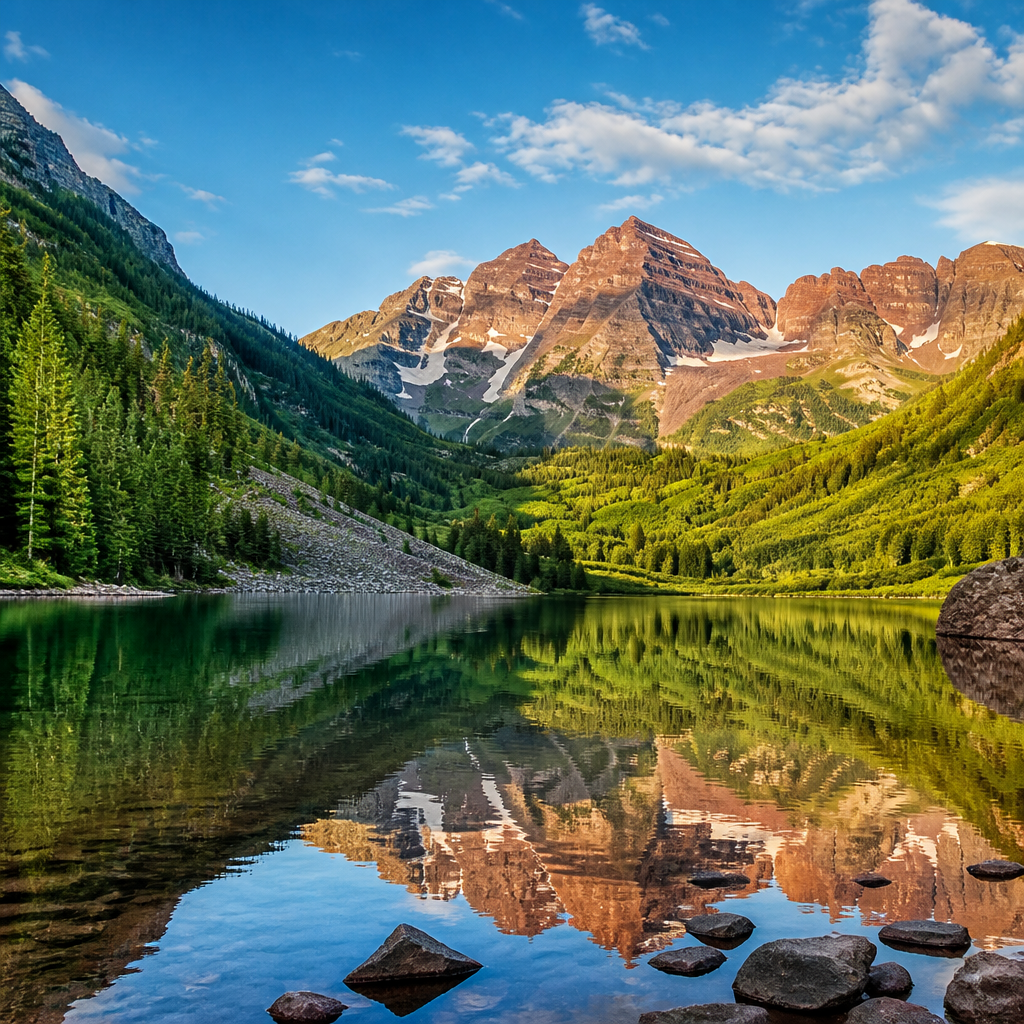
You’ve seen the photos: jagged, wine-colored peaks towering over a perfect alpine lake. You’ve heard the whispers from fellow hikers about a loop in Colorado that’s as brutal as it is beautiful. Now, you’re wondering if you have what it takes to hike the Four Pass Loop. The short answer is yes—with the right preparation. This isn't a casual weekend trip; it's a high-altitude rite of passage that tests your legs, lungs, and logistics. But the reward is access to the beating heart of the Rocky Mountains, a landscape so grand it feels like a different planet. This guide is your complete playbook for planning, packing, and conquering one of America's most epic backpacking circuits in 2026.
Trail Snapshot: The Four Pass Loop
| Statistic | Detail | |---|---| | Total Distance | ~27 miles (~43.5 km) loop | | Total Elevation Gain | ~8,000 feet (~2,438 m) | | Difficulty | Strenuous | | Typical Duration | 3-4 nights | | Permits | Yes, mandatory overnight permits required. Highly competitive. | | Best Season | Late July through mid-September | | Bear Canister | Required and enforced | | Trailhead | Maroon Lake, near Aspen, Colorado |
Getting to the Trailhead
Getting to the start of the Four Pass Loop requires navigating Aspen's transit system. The trailhead is at Maroon Lake, one of the most photographed spots in Colorado, and access is tightly controlled.
Most hikers fly into Denver International Airport (DIA), rent a car, and make the 3.5-hour drive to Aspen. You can also fly into the smaller regional airports in Aspen (ASE) or Eagle/Vail (EGE) for a much shorter drive.
The key logistic is the shuttle. During the busy season (typically late May to mid-October), private vehicle access to the Maroon Lake road is restricted. You must park at Aspen Highlands Ski Area and take the mandatory RFTA shuttle to the trailhead. You can book your shuttle ticket and, if driving during off-hours, your parking reservation online through the Aspen Chamber of Commerce website. Plan this in advance; spots fill up.
Trail Description: A Clockwise Journey
Most hikers tackle the loop clockwise, knocking out the steep climb over West Maroon Pass on fresh legs. This route saves some of the most dramatic views for the latter half of the trip. Here’s a typical 4-day/3-night itinerary.
Day 1: Maroon Lake to West Maroon Pass
- Distance: ~6.5 miles
- Elevation Gain: ~3,000 ft
The first mile is a gentle stroll past the crowds at Maroon Lake to the quieter Crater Lake. This is where the real work begins. The trail climbs steadily through aspen groves and pine forests, eventually breaking out into the alpine tundra. The final push to the top of West Maroon Pass (12,500 ft) is a steep, rocky slog. Catch your breath at the top and soak in the view back towards the iconic Maroon Bells before descending into the lush Fravert Basin to find a campsite.
Day 2: Fravert Basin to Frigid Air Pass
- Distance: ~6 miles
- Elevation Gain: ~2,000 ft
Today is a day of contrasts. You’ll start by descending through wildflower-choked meadows and crossing several forks of the Crystal River. Be prepared for wet feet. After the valley floor, the trail turns sharply upward toward Frigid Air Pass (12,415 ft). The reward for this climb is one of the most stunning views of the entire loop: a panorama of the entire Fravert Basin framed by Capitol Peak in the distance. From the pass, it's a short descent into the North Fork of the Crystal River valley to camp.
Day 3: North Fork Valley to Trail Rider Pass
- Distance: ~7 miles
- Elevation Gain: ~2,500 ft
This is often considered the toughest day. The morning starts with a long, beautiful traverse of the North Fork valley. Then, the trail begins its unrelenting, switchbacking assault on Trail Rider Pass (12,420 ft). This climb is mentally and physically taxing. But from the saddle, you are greeted with the breathtaking sight of Snowmass Lake nestled directly below the colossal Snowmass Mountain. The descent to the lake is steep and rocky but leads to some of the most coveted campsites on the entire loop.
Day 4: Snowmass Lake to Buckskin Pass and Out
- Distance: ~8 miles
- Elevation Gain: ~1,500 ft (plus a ~3,200 ft descent)
Your final day begins with the last major climb of the trip: the ascent to Buckskin Pass (12,462 ft). From this vantage point, you can look back and trace nearly your entire journey across the jagged landscape. The view of Pyramid Peak and the Maroon Bells is unforgettable. From here, it's all downhill—a long, knee-pounding, 4-mile descent to Minnehaha Gulch, past Crater Lake, and back to the Maroon Lake trailhead where your journey began.
Water, Camping, and Permits
Water Sources
Water is generally plentiful throughout the loop from streams, lakes, and snowmelt. You'll rarely go more than a couple of miles without a source. However, all water must be treated. Giardia and other pathogens are a real risk. A lightweight, reliable filter like the Sawyer Squeeze or Katadyn BeFree is essential.
Camping and Permits
This is the single most important piece of logistical planning. Overnight permits are mandatory for the Four Pass Loop and are released via Recreation.gov.
- Release Dates: Permits are released in batches, typically starting in late February for the entire season. The most popular dates (July/August weekends) are gone within seconds. Be logged in and ready the moment they go live.
- Zones: The permit system is zone-based. You must camp within the designated zone you book for each night. Dispersed camping is allowed, but you must adhere to Leave No Trace principles and camp at least 100 feet from any water source or trail.
- Bear Canisters: An IGBC-approved bear-resistant food canister (BRFC) is required by law for all overnight visitors in the Maroon Bells-Snowmass Wilderness. Rangers patrol the area and will issue hefty fines for non-compliance. Bear hangs are not a substitute. Popular models include those from BearVault and Garcia. You can often rent them in Aspen if you don't own one.
Essential Gear Checklist
Beyond your standard backpacking kit, the Four Pass Loop demands specific gear to handle the altitude, weather, and regulations.
- Shelter: A sturdy, lightweight backpacking tent. Brands like Big Agnes and MSR are trail-proven favorites.
- Sleep System: A 20°F (-6°C) sleeping bag or quilt (Enlightened Equipment Revelation) and a high R-value sleeping pad (Therm-a-Rest NeoAir XLite) are crucial for cold alpine nights.
- Footwear: Broken-in, waterproof hiking boots with excellent ankle support. The rocky descents are brutal. Think Salomon Quest 4 or La Sportiva Nucleo High II GTX.
- Trekking Poles: Non-negotiable for saving your knees on the descents and providing stability on climbs and water crossings. Black Diamond Distance Carbon Z poles are a fantastic lightweight option.
- Navigation: While the trail is well-defined, you need reliable navigation. Download offline maps on an app like Gaia GPS and carry a backup power bank. A satellite messenger like the Garmin inReach Mini 2 is highly recommended for emergency communication.
- Clothing: A full layering system. This includes a moisture-wicking base layer (Patagonia Capilene), a fleece mid-layer, a puffy jacket for camp (Arc'teryx Atom Hoody), and a bombproof rain shell (Outdoor Research Foray II). Don't forget a warm hat and gloves.
- Bear Canister: A BearVault BV500 or similar model is mandatory.
- Sun Protection: The sun is intense above 10,000 feet. A wide-brimmed hat, sunglasses, and high-SPF sunscreen are essential.
Pro Tips for Success
- Acclimatize Seriously. Spend at least two nights at altitude (8,000 ft+) in Aspen, Leadville, or another mountain town before starting your hike. This is the single best way to prevent altitude sickness.
- Start Before Sunrise. Afternoon thunderstorms are a daily occurrence in the Rockies. Plan to be up and over each pass by noon at the latest to minimize your exposure to lightning above treeline.
- Hydrate and Snack Constantly. At altitude, your body burns more calories and loses more water. Drink before you're thirsty and eat before you're hungry to keep your energy levels stable.
- Pack Light, But Not Stupid Light. While a lighter pack helps, don't skimp on essentials like rain gear, warm layers, or your first-aid kit. The weather can turn from sunny to a freezing hailstorm in minutes.
- Embrace Leave No Trace. This is a fragile and heavily used area. Pack out absolutely everything, including food scraps. Use wag bags for solid human waste where required, especially around high-use areas like Snowmass Lake.
Ready for the challenge? With the right planning, the Four Pass Loop isn't just a hike—it's the memory of a lifetime. Gear up, get your permit, and we'll see you on the trail.
FAQ
How hard is the Four Pass Loop, really? It's very difficult. It’s best suited for experienced backpackers who are comfortable with 6-8 hours of hiking per day, significant elevation gain at high altitude, and unpredictable mountain weather. The combination of four passes over 12,400 feet makes it a serious physical challenge.
When is the absolute best time to hike the Four Pass Loop? For prime conditions—minimal snow on the passes and abundant wildflowers—the window from the last week of July through the third week of August is ideal. September offers fewer crowds and beautiful fall colors, but you run a higher risk of early season snowstorms.
Do I really need a permit for the Four Pass Loop? Yes, absolutely. An overnight permit secured through Recreation.gov is mandatory for any group staying overnight between May 1 and October 31. Day hiking the loop does not require a permit, but this is only an option for elite ultrarunners.
Are bear canisters actually required? Yes. A Forest Order requires all overnight visitors in the Maroon Bells-Snowmass Wilderness to store all food and scented items in an IGBC-approved bear-resistant container. Rangers actively check for compliance and issue tickets. This is for your safety and the bears' safety.
Can you do the Four Pass Loop in one day? Only highly conditioned, acclimatized elite trail runners should even consider this. The Fastest Known Time (FKT) is just over 4 hours. For the vast majority of people, attempting this in a day is unsafe and ill-advised. Plan on 3-4 nights to safely enjoy the experience.