
Best Softshell Jackets for Spring Hiking (2026)
Tired of swapping layers on windy, unpredictable spring hikes? We tested the top softshell jackets of 2026 to find the most breathable, weather-resistant options for the thaw.
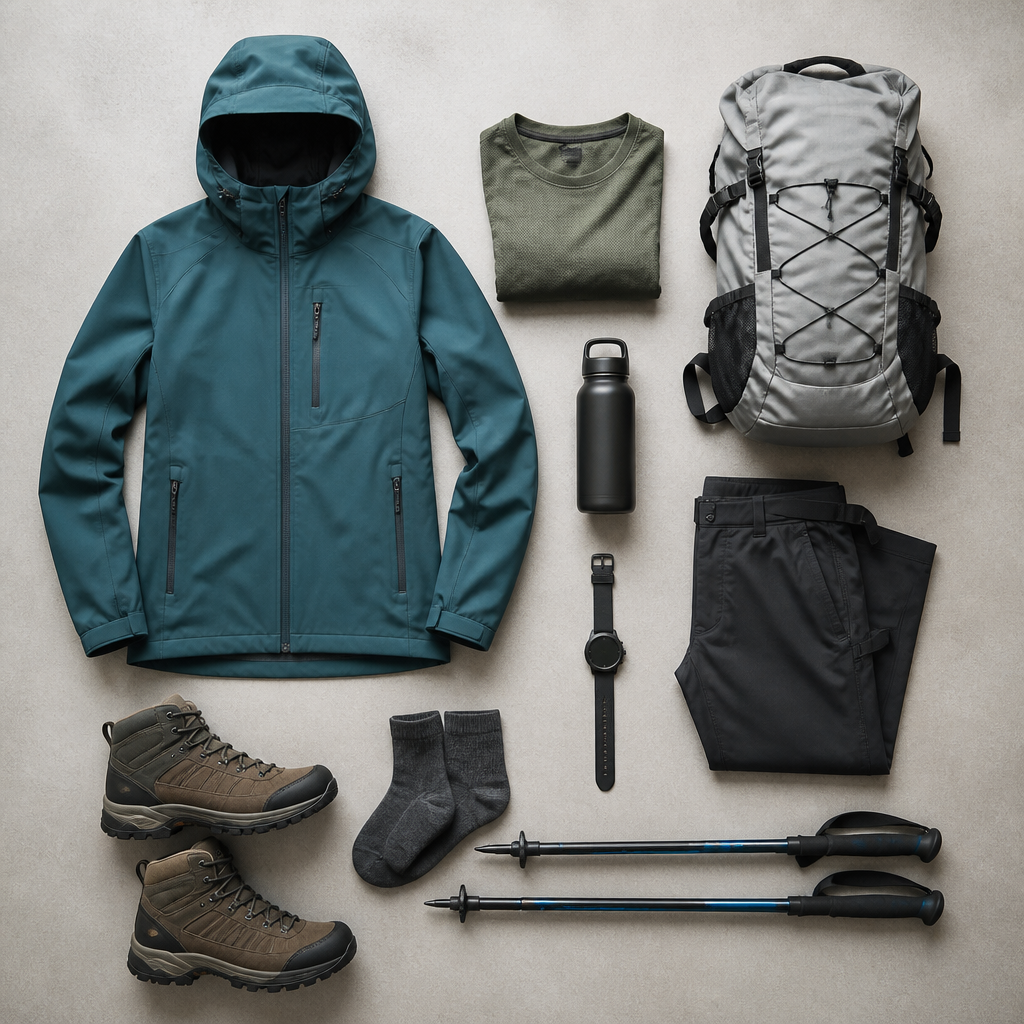
You know the feeling. One minute, the spring sun is warm on your face. The next, a biting wind whips across the ridge, and a cold sleet starts to fall from a slate-grey sky. This is the challenge of shoulder season hiking. You're constantly caught between sweating in a full-on rain shell and freezing in just a fleece. The solution isn't more layers—it's the right layer.
Enter the softshell jacket. It's the unsung hero of the spring and fall quiver, engineered to block wind and shed light precipitation while breathing far better than any waterproof hardshell. It’s the piece of gear that lets you set your thermostat and leave it, hiking in comfort through the most variable conditions. We put the top models for 2026 through their paces on muddy trails, windy summits, and surprise spring snow squalls to find the perfect softshell for your adventures.
Our 2026 Softshell Picks at a Glance
- Best Overall: Arc'teryx Gamma Hoody
- Best Value: Outdoor Research Ferrosi Hoodie
- Most Weather-Resistant: Black Diamond Dawn Patrol Hybrid Shell
- Best for High Output: Patagonia Upstride Jacket
- The 'One Jacket' Quiver: Rab Kinetic 2.0 Jacket
Arc'teryx Gamma Hoody
The Verdict: The undisputed king of fit, mobility, and refined performance for those who demand the best.
Why we picked it: When you slip on the Gamma, you immediately understand its price tag. The articulation is second to none; lifting your arms doesn't raise the hem, and the jacket moves with you like a second skin. The Fortius™ DW 2.0 fabric is the perfect blend of durability, stretch, and weather resistance. It effortlessly sheds wind and light drizzle, but its true magic is in its breathability during sustained effort. The adjustable StormHood™ is a work of art, cinching down for full protection without impeding peripheral vision. It's a masterclass in design.
- Best for: Technical alpine ascents, multi-pitch climbing, and hikers who see gear as a long-term investment in comfort and performance.
- Trade-offs: The premium price is a significant barrier for many. It's highly weather-resistant but not waterproof.
- Brand + Model: Arc'teryx Gamma Hoody
Outdoor Research Ferrosi Hoodie
The Verdict: A legendary, budget-friendly workhorse that prioritizes breathability and comfort above all else.
Why we picked it: There's a reason the Ferrosi has been a cult classic for over a decade. It's impossibly light, stretchy, and so comfortable you'll forget you're wearing it. This is the jacket you grab for a blustery day hike when you know you'll be working up a sweat. While it provides less weather resistance than the Arc'teryx Gamma, its air permeability is off the charts, making it the perfect choice for high-exertion activities. For 2026, OR has refined the fit and used more recycled materials, making a great jacket even better. At its price point, the performance-to-dollar ratio is unbeatable.
- Best for: Day hikers, scramblers, and climbers in dry, windy climates. Anyone looking for maximum breathability on a budget.
- Trade-offs: Offers minimal insulation and will wet-out faster than more weather-resistant options in a persistent drizzle.
- Brand + Model: Outdoor Research Ferrosi Hoodie
Black Diamond Dawn Patrol Hybrid Shell
The Verdict: A purpose-built jacket with smart, body-mapped protection for moving fast in serious mountain weather.
Why we picked it: The Dawn Patrol Hybrid is for the hiker who pushes the boundaries of spring, often finding themselves in winter-like conditions. Black Diamond uses a more robust, weather-resistant softshell fabric on the chest, shoulders, and hood—areas most exposed to wind and snow. Under the arms and on the back panel, they use a lighter, more breathable fabric to vent heat. This hybrid mapping is genius for backcountry ski touring and alpine climbing, where you're battling spindrift one minute and sweating on a steep skin track the next. It’s a specialized tool that excels at its job.
- Best for: Spring ski touring, ice climbing, and high-alpine mountaineering where weather protection and breathability are equally critical.
- Trade-offs: The fit is more athletic and trim, which may not suit all body types. It's less of an “everyday” casual jacket than the Ferrosi or Gamma.
- Brand + Model: Black Diamond Dawn Patrol Hybrid Shell
Patagonia Upstride Jacket
The Verdict: An ultralight, hyper-breathable layer for trail runners and fast-packers who measure trips in hours, not days.
Why we picked it: The Upstride is less of a traditional jacket and more of a protective, woven shield against the elements for those moving at speed. Made from a stretchy, 100% recycled polyester knit, it feels more like a technical long-sleeve shirt but does an incredible job of cutting wind. It is the most breathable jacket on our list, designed specifically for high-cardio output where dumping sweat is the primary concern. It’s a minimalist piece with two oversized chest pockets that sit above a harness or hipbelt and double as vents. If your version of spring hiking looks more like trail running, this is your jacket.
- Best for: Trail running, fastpacking, and high-exertion ascents where wind protection is needed but a hardshell would be instant sauna.
- Trade-offs: Provides very little warmth and minimal water resistance. It's a highly specialized piece for a specific user.
- Brand + Model: Patagonia Upstride Jacket
Rab Kinetic 2.0 Jacket
The Verdict: A game-changing hybrid that blurs the line between softshell and hardshell, offering waterproof protection with softshell stretch.
Why we picked it: What if your softshell could also be your rain jacket? That's the promise of the Rab Kinetic 2.0. It uses Rab's proprietary Proflex fabric—a soft, stretchy knit face and backer sandwiching a waterproof membrane. The result is a jacket with the waterproof stats of a hardshell (20,000mm) but the comfort and mobility of a stretchy softshell. It's an ideal choice for the UK's notoriously damp mountains or the Pacific Northwest, where a spring hike almost guarantees a shower. It’s the ultimate 'one jacket' solution for unpredictable weather.
- Best for: Hikers in consistently wet and windy environments who don't want to choose between stretch and waterproofness.
- Trade-offs: Can feel slightly clammier than a true softshell like the Ferrosi during high-output activity due to the waterproof membrane.
- Brand + Model: Rab Kinetic 2.0 Jacket
2026 Softshell Jacket Comparison
| Model | Primary Fabric | Weight (M's Med) | Weather Resistance | Breathability | MSRP (USD) | | ----------------------------------- | --------------------------- | ---------------- | ------------------ | ------------- | ---------- | | Arc'teryx Gamma Hoody | Fortius™ DW 2.0 | ~410g | High | Very Good | $300 | | Outdoor Research Ferrosi Hoodie | Ferrosi (Nylon/Spandex) | ~390g | Medium | Excellent | $149 | | BD Dawn Patrol Hybrid | BD.dry™ & GTT Empel DWR | ~511g | High | Very Good | $350 | | Patagonia Upstride Jacket | Recycled Polyester Knit | ~343g | Low | Best in Class | $279 | | Rab Kinetic 2.0 Jacket | Proflex™ (Waterproof) | ~336g | Very High | Good | $240 |
How We Test and Choose
The Bucketlist Field Guide team doesn't just read spec sheets. We live in these jackets. Our 2026 testing took place over three months of classic shoulder season conditions, from muddy spring hikes in Vermont's Green Mountains to windy ridge traverses in Colorado's Front Range. Each jacket was evaluated by at least two testers on the following criteria:
- Breathability & Climate Control: How well did it manage sweat during steep climbs? Did we have to constantly zip and unzip, or could we 'set it and forget it'?
- Weather Resistance: How did it handle sustained 20-mph winds and light-to-moderate precipitation? We noted how long the DWR (Durable Water Repellent) held up before the fabric began to wet-out.
- Fit, Mobility, & Comfort: We looked for smart articulation that didn't restrict movement, a comfortable next-to-skin feel, and a fit that allowed for a base layer without being baggy.
- Features & Durability: Are the pockets well-placed? Is the hood functional? Are the zippers robust? After weeks of use, we checked for any signs of premature wear and tear.
- Value: We weigh all of the above against the jacket's price to determine its overall value proposition. A cheap jacket that fails is no value at all, and an expensive jacket must justify its cost with exceptional performance.
FAQ
What is the difference between a softshell and a hardshell?
A hardshell is your fortress against the storm. It's fully waterproof and windproof, but not very breathable. Think of it as your emergency rain gear. A softshell is your all-day comfort layer. It's designed to be highly breathable and stretchy while still being very wind- and water-resistant (but not fully waterproof). For 90% of spring conditions, a softshell is the more comfortable choice.
Can I use a softshell as a rain jacket?
It depends. Most softshells, like the OR Ferrosi, can handle a light, brief drizzle but will eventually soak through in a steady rain. A highly weather-resistant model like the Arc'teryx Gamma can handle more. A hybrid like the Rab Kinetic 2.0, however, is a rain jacket, offering the best of both worlds. For a trip with a forecast of heavy, prolonged rain, you should always pack a dedicated hardshell.
How do I wash my softshell jacket?
Wash it sparingly, and only when it's dirty or the water is no longer beading on the surface. Use a technical fabric wash (like Nikwax Tech Wash), not regular detergent, which can strip the factory DWR coating. Wash on a gentle cycle and tumble dry on low heat. The heat helps reactivate the DWR finish, restoring its water resistance.
Is a softshell warm enough for winter?
By itself, no. A softshell is a 'shell,' not an insulation piece. Its job is to block wind and light precipitation. In winter, you would layer it over a fleece or a puffy insulated jacket. The combination of an insulating midlayer and a protective softshell outer layer is a fantastic, highly breathable system for active winter pursuits like snowshoeing or ski touring.