
Best Hiking Boots for Rocky Terrain (2026)
Tired of bruised toes and unstable ankles on talus fields? We tested dozens of boots to find the most protective, grippy, and durable options for 2026.
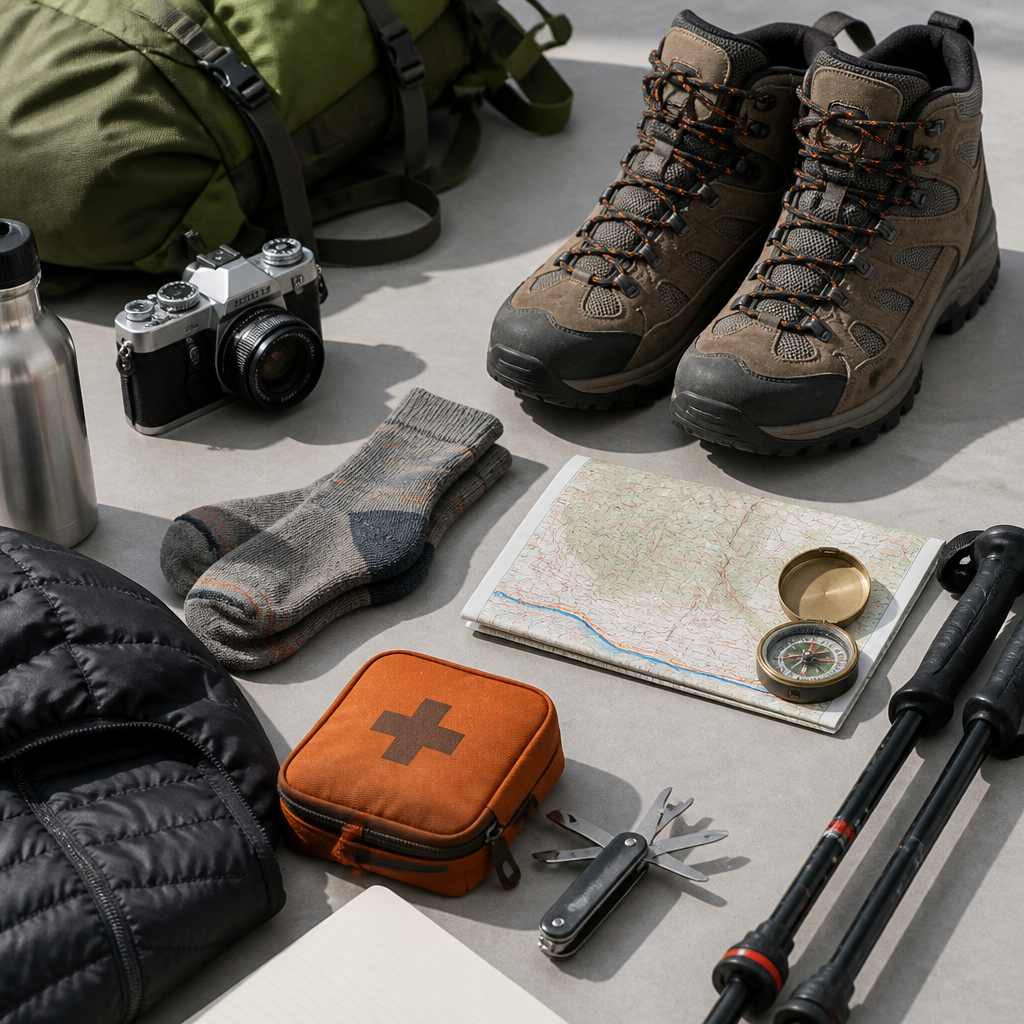
Scrambling over granite slabs, navigating scree fields, and pounding out miles on sharp, uneven trails—this is where your gear choice matters most. The wrong boot can turn a dream hike into a painful slog of bruised soles and twisted ankles. Your feet are your most critical asset in the mountains, and protecting them on rocky terrain isn't a luxury; it's a necessity.
We've all been there: feeling every sharp rock through a flimsy sole or rolling an ankle on a wobbly descent. That’s why we put the top hiking boots of 2026 to the test on the most unforgiving trails we could find, from the talus slopes of the Sierra to the root-and-rock mazes of the Appalachians. We looked for the non-negotiables: rock-solid stability, aggressive traction, underfoot protection, and durability that won't quit. This guide is for the hiker who seeks high, rugged places and needs a boot that can keep up.
Our Picks at a Glance
- Best Overall: La Sportiva Nucleo High II GTX
- Best for Ankle Support: Lowa Renegade GTX Mid
- Best Lightweight Option: Salomon X Ultra 4 Mid GTX
- Most Durable: Scarpa Zodiac Plus GTX
- Best for Wide Feet: KEEN Targhee III Waterproof Mid
- Best Budget Pick: Merrell Moab 3 Mid Waterproof
La Sportiva Nucleo High II GTX
The Verdict: The perfect blend of burly protection, athletic agility, and surprising breathability for demanding rocky trails.
Why we picked it: The Nucleo High II feels like the future of hiking boots. It combines a traditional nubuck leather upper for durability with La Sportiva's innovative Gore-Tex Surround technology, which vents heat and moisture not just from the top, but through the sole itself. On the trail, this meant our feet stayed noticeably drier and more comfortable. The aggressive Vibram Nano XS-Trek outsole provided confidence-inspiring grip on everything from wet granite to loose scree. The boot’s structure provides excellent torsional rigidity and underfoot protection, shielding your feet from sharp impacts without feeling like a clunky mountaineering boot.
- Best for: Hikers who want modern tech and all-around performance for long, technical days in the mountains.
- Trade-offs: Premium price point; some users may find the fit slightly narrow.
Lowa Renegade GTX Mid
The Verdict: The gold standard for ankle support and out-of-the-box comfort, a true classic for a reason.
Why we picked it: For decades, the Lowa Renegade has been the go-to boot for hikers and backpackers who prioritize stability above all else. The PU Monowrap frame, which extends up the sides of the boot, provides a level of torsional support that is unmatched in its weight class. This makes it an absolute fortress for your ankles on uneven, rocky terrain. The fit is legendary, requiring minimal break-in time for most foot shapes. While it uses a proprietary Lowa outsole instead of Vibram, we found its performance perfectly adequate for most on-trail rock hopping and scrambling. It's a reliable workhorse.
- Best for: Backpackers carrying moderate-to-heavy loads and day hikers who need maximum ankle protection.
- Trade-offs: Not the lightest option; outsole grip is good but not as tenacious as top-tier Vibram compounds.
Salomon X Ultra 4 Mid GTX
The Verdict: The agility and comfort of a trail runner with the added support and protection of a mid-cut boot.
Why we picked it: If you dread the clunky feeling of traditional hiking boots, the Salomon X Ultra 4 is your answer. It's incredibly light and nimble, making you feel faster and more connected to the trail. Salomon's ADV-C Chassis is the star here, providing targeted stability around the heel and ankle without restricting forefoot flex. This means you get crucial protection from ankle rolls on rocky ground while still being able to move athletically. The Contagrip MA outsole is a proven performer, and the updated design offers excellent traction on varied surfaces. It's the boot we grab for fast-and-light missions on technical terrain.
- Best for: Fast-paced day hikes, ultralight backpackers, and anyone who values agility over tank-like protection.
- Trade-offs: Less underfoot protection and durability than heavier leather boots.
Scarpa Zodiac Plus GTX
The Verdict: A burly, precise boot that blurs the line between hiking and mountaineering, built for maximum abuse.
Why we picked it: When the trail disappears and you're faced with serious off-trail scrambling, talus-hopping, and low-grade climbing, you need the Zodiac Plus. This is a technical approach shoe scaled up into a backpacking boot. Its suede leather upper is incredibly durable, and a full rubber rand provides 360-degree protection against rock abrasion. The fit is precise and secure, with to-the-toe lacing for a dialed-in feel. The Vibram Drumlin outsole is stiff and features a dedicated climbing zone at the toe, allowing for confident edging on small rock features. This is overkill for groomed trails, but for rugged, off-piste adventures, it’s a lifesaver.
- Best for: Serious alpine hikers, scramblers, and backpackers navigating punishing off-trail terrain.
- Trade-offs: Very stiff sole requires a significant break-in period; can feel too rigid for casual hiking.
KEEN Targhee III Waterproof Mid
The Verdict: The ultimate solution for hikers with wide feet, offering generous comfort and reliable all-around performance.
Why we picked it: For many hikers, the search for a comfortable boot is a search for more space. The KEEN Targhee III has built its reputation on its famously roomy toe box, allowing your toes to splay naturally for better balance and comfort over long miles. But it's not just about the fit. The Targhee provides solid, mid-level support with an external stability shank and a secure heel-capture system. The KEEN.ALL-TERRAIN rubber outsole with 4mm lugs handles rocky trails well, and the iconic rubber toe cap (the "KEEN bumper") is a godsend for protecting your toes from accidental kicks. It's a forgiving, comfortable, and protective package.
- Best for: Hikers with wide or high-volume feet; those who prioritize toe comfort above all else.
- Trade-offs: Can feel a bit bulky and less precise than narrower, more athletic-fitting boots.
Merrell Moab 3 Mid Waterproof
The Verdict: An incredibly popular, accessible, and comfortable boot that gets the job done without breaking the bank.
Why we picked it: The Merrell Moab is often called the "Mother Of All Boots," and for good reason—it has likely introduced more people to hiking than any other boot. The Moab 3 continues the legacy of out-of-the-box comfort and reliability at a fantastic price. For 2026, it features a more supportive insole, a softer cushioned midsole, and a grippier Vibram TC5+ outsole. While it doesn't offer the same level of rigidity or protection as the high-end boots on this list, it provides more than enough support and toughness for the vast majority of on-trail rocky terrain. It's a proven, dependable choice that offers unbeatable value.
- Best for: Beginner to intermediate hikers, budget-conscious buyers, and those with average needs for on-trail hiking.
- Trade-offs: Less durable and supportive under heavy loads compared to premium models.
Comparison: 2026's Best Hiking Boots for Rocky Terrain
| Model | Best For | Weight (Pair) | Upper Material | Waterproofing | Outsole | Price | | ----------------------------- | ---------------------- | ------------- | --------------------- | ------------- | --------------- | ------ | | La Sportiva Nucleo High II GTX | Overall Performance | ~2 lbs. 2 oz. | Nubuck Leather/Synth. | Gore-Tex Surround | Vibram Nano XS | $$$$ | | Lowa Renegade GTX Mid | Ankle Support | ~2 lbs. 7 oz. | Nubuck Leather | Gore-Tex | Lowa Vialta III | $$$ | | Salomon X Ultra 4 Mid GTX | Lightweight Agility | ~1 lb. 14 oz. | Synthetic/Textile | Gore-Tex | Contagrip MA | $$ | | Scarpa Zodiac Plus GTX | Extreme Durability | ~2 lbs. 6 oz. | Suede Leather | Gore-Tex | Vibram Drumlin | $$$$ | | KEEN Targhee III WP Mid | Wide Feet | ~2 lbs. 3 oz. | Leather/Textile | KEEN.DRY | KEEN.ALL-TERRAIN| $$ | | Merrell Moab 3 Mid WP | Budget Pick | ~2 lbs. 2 oz. | Suede/Mesh | M-Select DRY | Vibram TC5+ | $ |
How We Chose & Tested
A boot's performance on rocky terrain comes down to a few key factors. Our team of editors and testers, based in Colorado and California, evaluated each boot on these criteria across hundreds of miles of testing.
- Underfoot Protection & Stiffness: We specifically sought out sharp, rocky trails to see how well the midsole and rock plate (if present) shielded our feet. We evaluated torsional rigidity by trying to twist the boot—more resistance means more stability on uneven ground.
- Traction: We tested grip on a variety of surfaces, including wet granite slabs, loose scree, dusty hardpack, and slick roots. Boots with proven, sticky rubber compounds like Vibram Megagrip and Salomon Contagrip scored highest.
- Ankle Support & Stability: We paid close attention to how well the boot's collar and chassis prevented ankle rolling, especially while carrying a 25lb pack on descents. A secure heel lock was a must.
- Durability: We looked for robust construction, high-quality materials like leather and high-denier synthetics, and protective features like rubber rands and toe caps. We noted any premature wear and tear.
- Comfort & Fit: While highly subjective, we assessed out-of-the-box comfort, break-in time, and breathability over long, hot days. We used multiple testers to get a broader sense of fit for different foot shapes.
We don't do lab tests. We take gear out where it belongs and see how it performs under real-world stress. The boots that made this list are the ones that protected our feet, inspired confidence, and kept us moving forward.
FAQ
Do I really need high-cut boots for rocky trails?
For truly rocky and uneven terrain, especially when carrying a pack, a mid or high-cut boot is highly recommended. The taller collar provides critical protection against ankle rolls, a common injury on unstable surfaces. It also helps keep trail debris like scree and pebbles out of your boots. While experienced, strong-ankled hikers might get away with trail runners, boots provide a significant extra margin of safety and support.
What's more important for rocks: stiffness or cushioning?
It's a balance. A boot needs to be stiff enough (torsionally rigid) to prevent your foot from flexing over every sharp edge, which saves energy and prevents foot fatigue. This stiffness acts as a stable platform. However, you also need adequate cushioning in the midsole (typically EVA or PU foam) to absorb impact and provide comfort. The best boots for rocky terrain, like the La Sportiva Nucleo or Lowa Renegade, expertly balance a stiff, protective chassis with targeted cushioning.
How do I choose between leather and synthetic boots?
Leather (especially nubuck or full-grain) is exceptionally durable, abrasion-resistant, and conforms to your foot over time. It's a great choice for maximum longevity on sharp rock. Synthetics, on the other hand, are lighter, often more breathable, and require little to no break-in time. Many modern boots use a hybrid construction, combining leather in high-wear areas with synthetic panels to optimize breathability and reduce weight.
Can I use trail runners on rocky trails?
Yes, but with caveats. Ultralight hikers and trail runners often prefer the agility of trail running shoes. However, for most hikers, they present trade-offs. Trail runners offer less ankle support, less underfoot protection from sharp rocks, and lower durability than a dedicated boot. If you choose this route, look for a trail runner with a built-in rock plate and a reinforced upper. For multi-day trips with a pack or on highly technical terrain, a boot remains the safer choice for most people.
Ready to find your footing? A great pair of boots is the foundation of every successful adventure. Choose the right pair for your feet and your objective, and you'll be able to focus on the summit ahead, not the ground below. See you on the trail.